

What is the adhesion of the paint in a pint paint can?
Oct 17, 2025
Hey there! As a supplier of pint paint cans, I often get asked about the adhesion of paint inside these cans. So, I thought I'd dive deep into this topic and share what I've learned over the years.
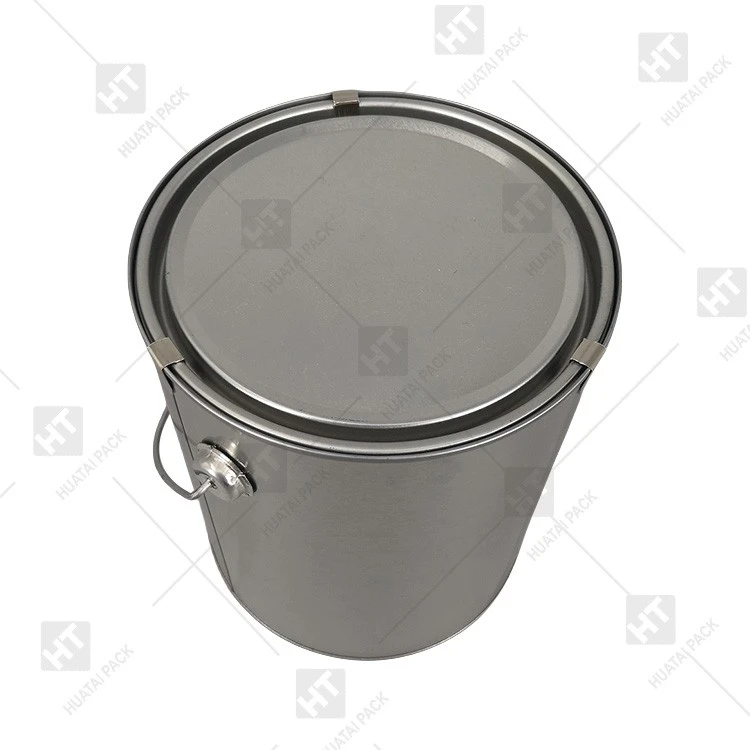
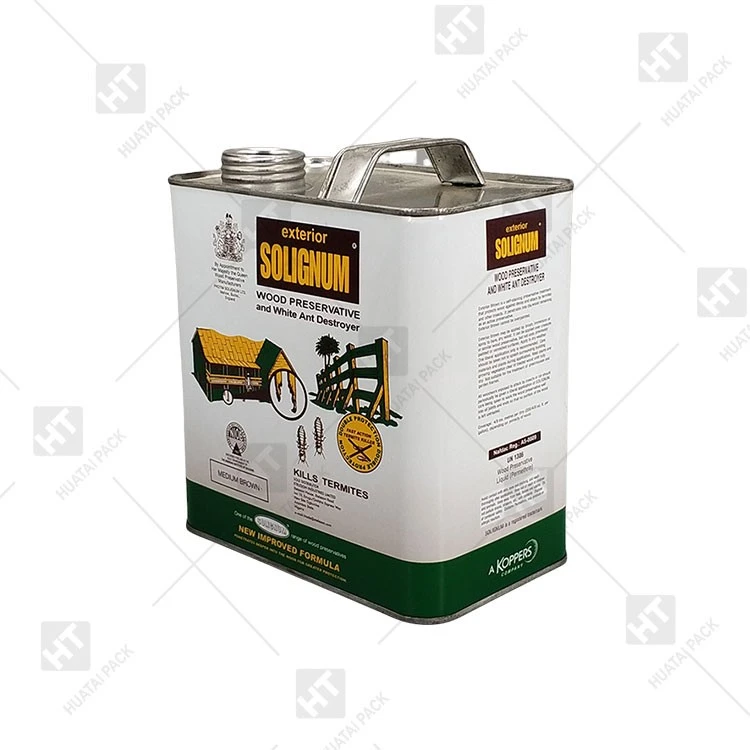
First off, let's talk about what paint adhesion actually means. In simple terms, paint adhesion is how well the paint sticks to the surface of the can. It's a crucial factor because if the paint doesn't adhere properly, it can lead to all sorts of problems, like peeling, flaking, or even corrosion of the can.
There are several factors that can affect the adhesion of paint in a pint paint can. One of the most important ones is the surface preparation of the can. Before the paint is applied, the can needs to be clean and free of any dirt, oil, or rust. Even a tiny bit of contamination can prevent the paint from sticking properly. That's why we take great care in cleaning and pre - treating our Round Metal Tin Can before the painting process. We use special cleaning agents and techniques to ensure a smooth and clean surface for the paint to adhere to.
The type of paint used also plays a huge role. Different paints have different adhesion properties. For example, epoxy - based paints are known for their excellent adhesion to metal surfaces. They form a strong chemical bond with the can, which helps prevent the paint from coming off. On the other hand, some latex - based paints might not adhere as well, especially if the surface isn't properly prepared. At our company, we carefully select the paints that we use for our Round Open Lid Tin Cans to ensure the best possible adhesion.
Another factor is the application process. How the paint is applied can significantly impact its adhesion. If the paint is applied too thickly, it might not dry properly, and this can lead to poor adhesion. On the contrary, if it's applied too thinly, it might not provide enough protection. We've developed a precise application process that ensures the right thickness of paint on our F Type Paint Packaging Can. Our team uses advanced spraying equipment to apply the paint evenly, which helps in achieving good adhesion.
Temperature and humidity during the painting and drying process are also important. High humidity can slow down the drying process and prevent the paint from bonding properly with the can. Similarly, extreme temperatures can cause the paint to expand or contract, which can lead to adhesion issues. That's why we have strict environmental controls in our painting facility. We make sure that the temperature and humidity are within the optimal range for the paint we're using, so that the adhesion is as good as it can be.
Now, you might be wondering why good paint adhesion in a pint paint can is so important. Well, for starters, it helps in protecting the can from corrosion. When the paint adheres well, it acts as a barrier between the metal of the can and the environment, preventing moisture and oxygen from reaching the metal and causing rust. This not only extends the lifespan of the can but also keeps the paint inside fresh and in good condition.
Good adhesion also gives the can a better appearance. A can with well - adhered paint looks smooth, shiny, and professional. It can enhance the overall brand image of the paint product that's stored in the can. Customers are more likely to be attracted to a product that comes in a well - painted and visually appealing can.
In addition, it can improve the safety of the can. If the paint starts to peel or flake, it can contaminate the paint inside the can. This can be a big problem, especially if the paint is going to be used in a sensitive environment, like a food - related area or a medical facility. By ensuring good adhesion, we can prevent these types of contamination issues.
So, how do we test the adhesion of the paint in our pint paint cans? We use a few different methods. One common method is the cross - hatch test. In this test, we make a series of cuts in the paint in a cross - hatch pattern and then apply a piece of adhesive tape over the cuts. When we pull the tape off, we can see how much paint comes off with it. If only a small amount of paint is removed, it means the adhesion is good.
We also do a bend test. We bend the can slightly and check if the paint cracks or peels. If the paint stays intact, it shows that it has good flexibility and adhesion. These tests help us ensure that every pint paint can we produce meets our high standards of paint adhesion.
As a supplier, we're always looking for ways to improve the adhesion of the paint in our cans. We're constantly researching new paints, application techniques, and surface preparation methods. We believe that by providing high - quality cans with excellent paint adhesion, we can help our customers deliver better products to their own customers.
If you're in the market for pint paint cans, I'd love to talk to you. Whether you're a paint manufacturer looking for reliable packaging or a distributor in need of high - quality cans, we can offer you the best solutions. Our commitment to quality and excellent paint adhesion sets us apart from the competition. So, if you're interested in discussing your requirements or getting a quote, don't hesitate to reach out. We're here to help you find the perfect pint paint cans for your needs.
References
- "Principles of Paint and Coating Technology" by Paul H. Langford
- "Surface Preparation and Painting of Metals" by ASTM International