

What are the environmental impacts of a 3l olive oil can?
Oct 17, 2025
As a supplier of 3L olive oil cans, I've always been acutely aware of the environmental implications associated with our products. In this blog, I'll delve into the various environmental impacts of a 3L olive oil can, exploring both the positive and negative aspects, and discuss potential solutions to mitigate any adverse effects.
Raw Material Extraction and Production
The production of 3L olive oil cans begins with the extraction of raw materials. Most commonly, these cans are made from tin - plated steel or aluminum.
Tin - plated steel is derived from iron ore, which requires extensive mining operations. Mining not only leads to habitat destruction but also generates large amounts of waste rock and tailings. These waste materials can contaminate soil, water, and air with heavy metals and other pollutants. Moreover, the energy - intensive process of smelting iron ore into steel further contributes to greenhouse gas emissions.
Aluminum, on the other hand, is obtained from bauxite ore. Bauxite mining can cause significant deforestation and soil erosion, disrupting local ecosystems. The refining of bauxite into alumina and then into aluminum is extremely energy - consuming. In fact, aluminum production accounts for a substantial portion of the world's industrial electricity consumption, which in turn is often sourced from non - renewable energy sources like coal - fired power plants, leading to high carbon emissions.
However, it's important to note that both tin - plated steel and aluminum have high recycling rates. Recycling these metals requires significantly less energy compared to primary production. For example, recycling aluminum uses only about 5% of the energy needed to produce new aluminum from bauxite. This is a major environmental advantage of using metal cans for olive oil packaging.
Packaging and Transportation
Once the 3L olive oil cans are produced, they need to be filled with olive oil and then transported to various destinations. The packaging process itself has environmental impacts. The labels, seals, and other components of the can packaging often involve the use of plastics and adhesives. These materials can be difficult to recycle and may end up in landfills, where they can take hundreds of years to decompose.
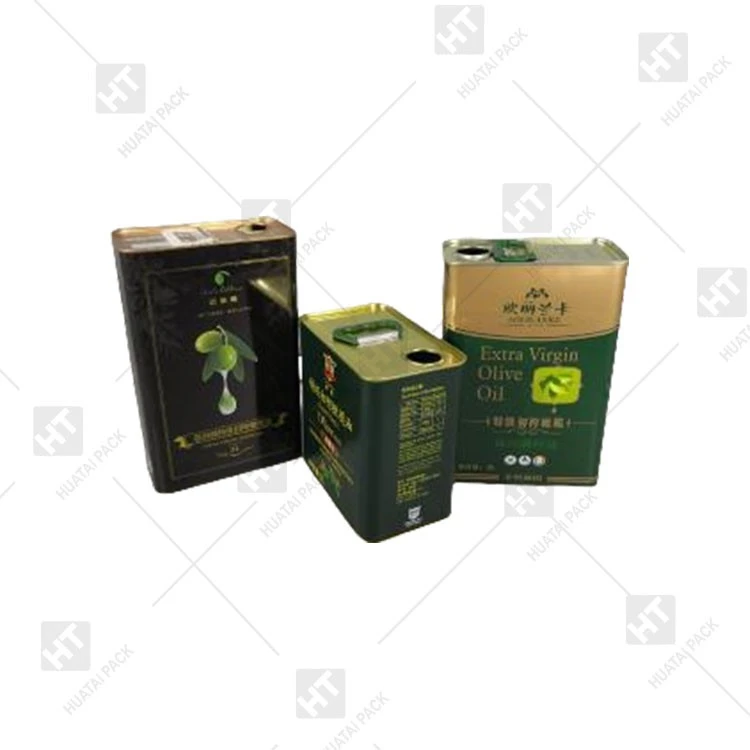

Transportation also plays a crucial role in the environmental footprint of 3L olive oil cans. If the cans are produced in one location and the olive oil is sourced from another, and then the packaged product is shipped to different markets around the world, the carbon emissions from transportation can be substantial. The type of transportation mode used, such as trucks, ships, or airplanes, also affects the environmental impact. For instance, airplanes have the highest carbon emissions per unit of cargo transported, while ships are relatively more fuel - efficient for long - distance transportation.
Shelf Life and Preservation
One of the significant advantages of using 3L olive oil cans is their ability to preserve the quality and freshness of olive oil. Olive oil is sensitive to light, oxygen, and heat, which can cause it to oxidize and go rancid. Metal cans provide an excellent barrier against these factors, extending the shelf life of olive oil. This means less food waste, as consumers can store the olive oil for longer periods without it spoiling.
Reducing food waste is a crucial environmental benefit. When food is wasted, all the resources that went into its production, including water, energy, and land, are also wasted. Additionally, decomposing food in landfills produces methane, a potent greenhouse gas that is much more effective at trapping heat in the atmosphere than carbon dioxide.
End - of - Life and Recycling
The end - of - life phase of 3L olive oil cans is a critical aspect of their environmental impact. As mentioned earlier, both tin - plated steel and aluminum are highly recyclable materials. When consumers recycle their empty olive oil cans, they contribute to a closed - loop system where the metal can be reused to make new cans or other metal products.
However, the reality is that not all cans are recycled. In many regions, the recycling infrastructure is inadequate, or consumers may not be aware of the importance of recycling. Cans that end up in landfills not only take up valuable space but also represent a waste of valuable resources. To address this issue, it's essential to improve recycling education and infrastructure.
Potential Solutions
As a 3L olive oil can supplier, I'm committed to minimizing the environmental impact of our products. Here are some potential solutions that we can implement:
- Sustainable Sourcing: We can source raw materials from mines and suppliers that adhere to strict environmental and social standards. This includes promoting responsible mining practices that minimize habitat destruction and pollution.
- Eco - friendly Packaging Design: We can explore the use of more sustainable packaging materials for labels and seals. For example, using biodegradable or compostable materials instead of traditional plastics.
- Optimized Transportation: By working closely with our partners, we can optimize the transportation routes and modes to reduce carbon emissions. This may involve consolidating shipments, using more fuel - efficient vehicles, and choosing the most appropriate transportation mode for each destination.
- Recycling Initiatives: We can support recycling initiatives in the communities where our products are sold. This can include partnering with local recycling facilities, providing recycling bins at point - of - sale locations, and educating consumers about the importance of recycling.
Conclusion
In conclusion, the environmental impacts of a 3L olive oil can are complex and multifaceted. While there are negative aspects associated with raw material extraction, packaging, and transportation, there are also significant environmental benefits, such as the ability to preserve olive oil and the high recyclability of the can materials.
As a supplier, we have a responsibility to take proactive steps to minimize the environmental footprint of our products. By implementing sustainable sourcing, eco - friendly packaging design, optimized transportation, and recycling initiatives, we can make a positive contribution to the environment.
If you're interested in purchasing our 3L Empty Olive Oil Tin Can, 5L Empty Olive Oil Square Tin Can, or Square Tin Can For Olive Oil, please feel free to contact us for more information and to discuss your procurement needs.
References
- American Iron and Steel Institute. (2023). Steel Recycling.
- Aluminum Association. (2023). Aluminum Recycling Facts.
- Food and Agriculture Organization of the United Nations. (2023). Global Food Losses and Food Waste.