

What is the thickness of the bottom ring lid?
Jun 04, 2025
What is the thickness of the bottom ring lid? This seemingly simple question is of great significance in the packaging industry. As a professional bottom ring lid supplier, I have extensive experience and in - depth knowledge about these products, and I'm here to share some insights with you.
Understanding the Bottom Ring Lid
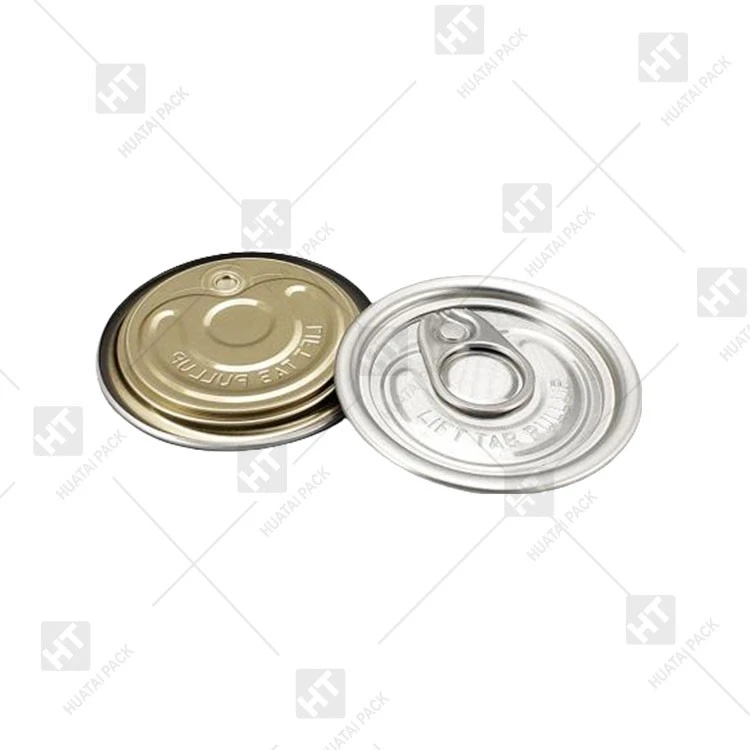
Before delving into the thickness, it's essential to understand what a bottom ring lid is. Bottom ring lids are crucial components in various packaging applications. They are commonly used in combination with cans, whether they are round tin cans or square cans. The main function of a bottom ring lid is to provide a secure seal for the container, protecting the contents from external factors such as air, moisture, and contaminants.
For different types of cans, the requirements for bottom ring lids vary. For instance, Round Tin Can Componens often demand lids that can fit precisely and create a tight seal. These lids need to be strong enough to withstand the internal pressure of the can, especially if the can contains carbonated beverages or pressurized products. On the other hand, Accessories For 1L 5L Square Cans may have different shape and size requirements, and the bottom ring lids for them need to be designed accordingly to ensure proper functionality.
Factors Affecting the Thickness of the Bottom Ring Lid
- Material of the Lid
The material used to manufacture the bottom ring lid is one of the most significant factors influencing its thickness. Common materials include tinplate, aluminum, and plastic. Tinplate is a popular choice due to its strength, durability, and relatively low cost. However, different grades of tinplate have different properties, which can affect the required thickness. For example, high - quality tinplate with better corrosion resistance may allow for a slightly thinner lid while still maintaining the necessary strength.
Aluminum lids are lightweight and have excellent corrosion resistance. They are often used in the food and beverage industry. The thickness of aluminum bottom ring lids is usually determined by the specific application. For example, for canned soft drinks, the lids need to be thick enough to withstand the carbonation pressure but also thin enough to keep the overall weight of the package down.
Plastic lids are also widely used, especially for non - pressurized products. The thickness of plastic lids can vary depending on the type of plastic resin used and the design requirements. For example, polypropylene (PP) lids may have different thicknesses based on whether they are for single - use or reusable containers.
2. Content of the Container
The nature of the product inside the container plays a crucial role in determining the thickness of the bottom ring lid. If the container holds a liquid with high acidity or alkalinity, a thicker lid may be required to prevent corrosion and leakage. For example, pickled products or some chemical solutions need lids that can resist the corrosive effects of the contents over an extended period.
Pressurized products, such as aerosol cans or carbonated beverages, demand lids with sufficient thickness to withstand the internal pressure. The pressure inside a carbonated beverage can can be quite high, and a thin lid may bulge or even burst, leading to product loss and safety hazards.
3. Storage and Transportation Conditions
The environment in which the packaged product will be stored and transported also affects the lid thickness. If the product is likely to be exposed to rough handling, high - impact conditions, or extreme temperatures during transportation, a thicker lid may be necessary. For example, products shipped over long distances or those transported by sea, where they may be subject to vibrations and moisture, need lids that can provide extra protection.
In addition, storage conditions such as high humidity or extreme temperature variations can also impact the lid's performance. A thicker lid can offer better insulation and protection against these environmental factors, ensuring the integrity of the package and the quality of the product inside.
Typical Thickness Ranges
- Tinplate Bottom Ring Lids
For general food and beverage cans made of tinplate, the thickness of the bottom ring lid typically ranges from 0.18 mm to 0.28 mm. This range provides a good balance between strength and cost - effectiveness. For canned fruits and vegetables, a lid thickness of around 0.20 mm is commonly used. However, for canned meat or products with higher internal pressure, such as some canned soups, a slightly thicker lid of about 0.25 mm may be required. - Aluminum Bottom Ring Lids
Aluminum lids for carbonated beverage cans usually have a thickness in the range of 0.22 mm to 0.28 mm. The precise thickness depends on the specific brand and the carbonation level of the beverage. For non - carbonated beverages or food products, the thickness can be slightly lower, typically around 0.20 mm. - Plastic Bottom Ring Lids
The thickness of plastic lids can vary widely. For single - use plastic lids on small containers, such as yogurt cups, the thickness may be as thin as 0.1 mm to 0.2 mm. For larger, reusable plastic containers, the thickness can range from 0.3 mm to 0.5 mm or even more, depending on the design and the expected level of use.
Importance of the Right Thickness
Choosing the correct thickness for the bottom ring lid is crucial for several reasons. Firstly, it ensures the safety of the product. A lid that is too thin may not be able to provide adequate protection, leading to leakage, contamination, or even bursting in the case of pressurized containers. This can not only result in product loss but also pose a risk to consumers.

Secondly, the right thickness affects the cost - effectiveness of the packaging. Using a lid that is too thick will increase the material cost, which can ultimately impact the product's price and competitiveness in the market. On the other hand, an overly thin lid may lead to higher rates of product damage and returns, which also adds to the overall cost.
Finally, the thickness of the lid can influence the environmental impact of the packaging. A well - designed lid with the appropriate thickness can reduce the amount of material used while still maintaining the necessary functionality, contributing to more sustainable packaging solutions.
Our Expertise as a Bottom Ring Lid Supplier
As a bottom ring lid supplier, we have a team of experienced engineers and technicians who are well - versed in the science of lid design and manufacturing. We understand the complex relationship between lid thickness and various factors such as material, content, and usage conditions.
We offer a wide range of bottom ring lids, including Easy Open Lid, which are designed with user - friendliness in mind. Our lids are manufactured using state - of - the - art technology and high - quality materials to ensure the best performance and reliability.
Whether you need lids for round tin cans, square cans, or other types of containers, we can provide customized solutions based on your specific requirements. We conduct rigorous quality control tests at every stage of the manufacturing process to ensure that our lids meet or exceed industry standards.
Contact Us for Procurement
If you are in the market for high - quality bottom ring lids, we invite you to contact us for procurement. We are committed to providing you with the best products and services. Our team of experts will work closely with you to understand your needs and offer the most suitable lid solutions. Whether you are a small - scale producer or a large - scale manufacturer, we have the capacity and expertise to meet your requirements.
References
- Packaging Technology Handbook, various editions.
- Journal of Packaging Science and Technology, multiple issues.
- Industry reports on the packaging materials and components market.