

Are there any special storage conditions for a 16oz glue can?
Jun 05, 2025
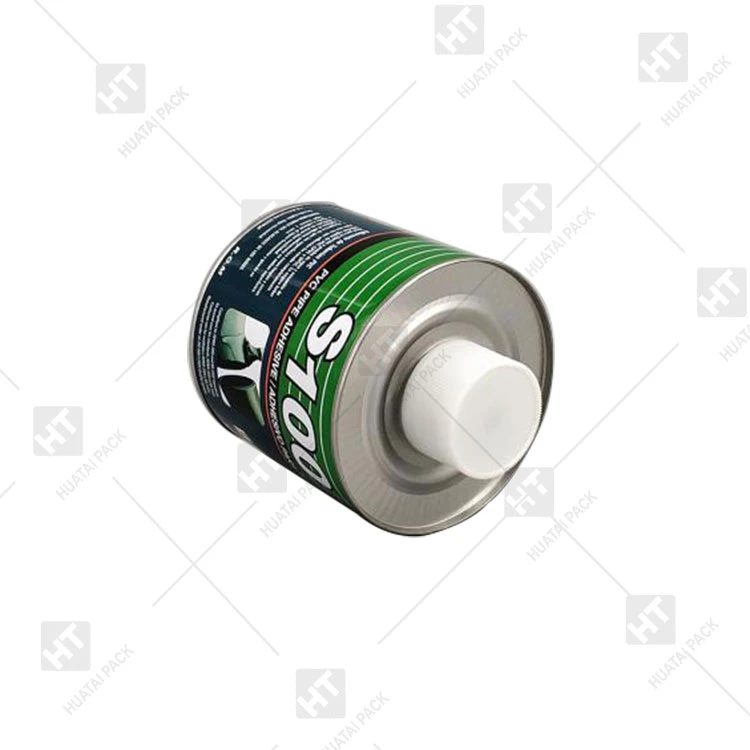
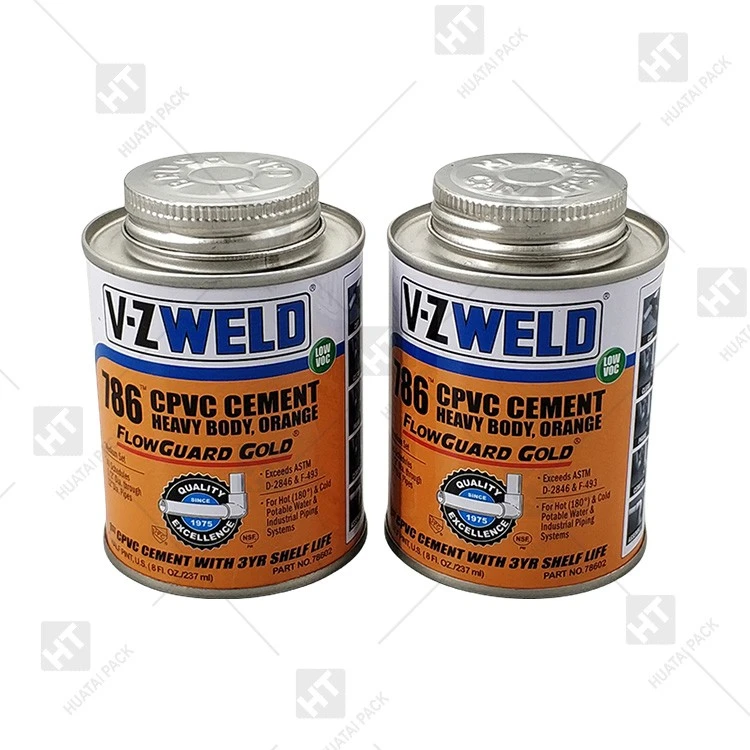
As a supplier of 16oz glue cans, I often receive inquiries from customers about the special storage conditions for these containers. In this blog post, I'll delve into the key factors that influence the storage of 16oz glue cans and provide comprehensive guidelines to ensure the longevity and quality of the glue within.
Temperature Considerations
Temperature plays a crucial role in the storage of glue cans. Most glues have an optimal temperature range within which they maintain their chemical properties and adhesive strength. For a 16oz glue can, the ideal storage temperature typically falls between 50°F (10°C) and 80°F (27°C).
Exposure to extreme cold can cause the glue to thicken or even freeze. When glue freezes, its chemical structure can be altered, leading to a loss of its adhesive properties. Once thawed, the glue may not perform as expected, resulting in weak bonds or inconsistent application. On the other hand, high temperatures can accelerate the chemical reactions within the glue, causing it to dry out or become too thin. This can lead to premature curing, making the glue unusable.
It's important to store 16oz glue cans in a climate - controlled environment. If you're storing the cans in a warehouse, consider using a heating or cooling system to maintain the appropriate temperature range. Avoid placing the cans near sources of heat, such as radiators or direct sunlight, as this can cause the temperature inside the can to rise significantly.
Humidity and Moisture
Humidity is another factor that can affect the quality of glue stored in 16oz cans. High humidity levels can introduce moisture into the glue, which can cause it to clump or develop mold. Moisture can also react with certain types of glue, altering their chemical composition and reducing their adhesive strength.
To prevent moisture from affecting the glue, store the 16oz cans in a dry place. A relative humidity level of around 40% - 60% is generally ideal. You can use dehumidifiers in the storage area to control humidity levels. Additionally, make sure the cans are properly sealed to prevent moisture from entering. If the lid of a glue can is loose or damaged, it should be replaced immediately.
Ventilation
Proper ventilation is essential when storing 16oz glue cans. Many glues contain volatile organic compounds (VOCs) that can be released into the air over time. These VOCs can be harmful if inhaled in large quantities, and they can also pose a fire hazard in high concentrations.
Store the glue cans in a well - ventilated area to allow the VOCs to disperse. This can be achieved by installing exhaust fans in the storage room or by ensuring there are adequate air vents. Avoid storing the cans in a confined space, such as a small closet, without proper ventilation.
Light Exposure
Exposure to light, especially ultraviolet (UV) light, can have a negative impact on the quality of glue. UV light can cause the glue to break down over time, leading to a loss of its adhesive properties.
Store 16oz glue cans in a dark place or use opaque storage containers to protect them from light. If the cans are stored in a warehouse with windows, make sure they are not placed in direct sunlight.
Orientation and Stacking
When storing 16oz glue cans, it's important to consider their orientation and stacking. The cans should be stored upright to prevent the glue from leaking out if the lid is not completely sealed. This also helps to ensure that the glue remains evenly distributed within the can.
When stacking the cans, be careful not to stack them too high. Excessive stacking can put pressure on the lower cans, which can cause them to deform or even burst. A good rule of thumb is to stack the cans no more than 3 - 4 layers high. Make sure the stacking surface is flat and stable to prevent the cans from tipping over.
Compatibility with Other Substances
It's important to store 16oz glue cans away from other substances that may react with the glue. For example, some glues may react with certain chemicals or solvents, which can cause a dangerous chemical reaction or damage to the glue.
Keep the glue cans separate from other chemicals in the storage area. If possible, use a dedicated storage cabinet or shelf for the glue cans to prevent accidental contact with other substances.
Special Considerations for Different Types of Glue
There are various types of glue, such as epoxy, cyanoacrylate, and PVA glue, each with its own unique storage requirements.
Epoxy glue, for instance, consists of two components that need to be mixed before use. These components should be stored separately in their original containers and at the appropriate temperature and humidity conditions. Cyanoacrylate glue, also known as super glue, is sensitive to moisture and should be stored in a dry environment with low humidity. PVA glue is generally more tolerant of different storage conditions but still benefits from being stored at the optimal temperature and humidity range.
Our Product Range
In addition to our 16oz glue cans, we also offer a variety of other adhesive containers. You can check out our 32oz Glue Can, which is suitable for larger - scale applications. Our Flat Top Adhesive Tin Can With Lid provides a secure and convenient way to store glue, and our Pvc Can is known for its durability and chemical resistance.
Contact Us for Procurement
If you're interested in purchasing our 16oz glue cans or any of our other products, we encourage you to contact us for procurement discussions. We have a team of experts who can assist you in choosing the right products for your needs and provide you with detailed information about our storage recommendations.
References
- "Adhesive Technology Handbook", Third Edition, by John S. Dick and W. Michael Hess
- "Handbook of Adhesive Bonding", Second Edition, by Samuel M. Wu