

What is the standard design of a closed metal pail?
May 12, 2025
A closed metal pail, often referred to as a tight - head pail, is a versatile and widely used container in various industries. As a supplier of closed metal pails, I have in - depth knowledge about their standard design, which is crucial for both functionality and safety.
Material Selection
The first step in the standard design of a closed metal pail is the choice of material. Generally, steel is the most commonly used material. Steel offers excellent strength, durability, and resistance to impact. It can withstand rough handling during transportation and storage. For example, in the chemical industry, where pails are used to store corrosive substances, steel pails can be coated with special anti - corrosion layers. Galvanized steel is also a popular option as it provides an extra layer of protection against rust, extending the lifespan of the pail.
Aluminum is another material that can be used for closed metal pails, especially when weight is a concern. Aluminum pails are lighter than steel pails, which makes them easier to handle and transport. They are often used in the food and beverage industry, as aluminum is non - toxic and does not react with most food products.
Dimensions and Capacity
Closed metal pails come in a variety of dimensions and capacities to meet different user needs. The most common capacities range from 1 gallon to 5 gallons. The 5gallon Metal Pail is particularly popular in industries such as paint, lubricants, and chemicals. It provides a good balance between capacity and manageability.
The height and diameter of the pail are designed to ensure stability. A well - designed pail has a proper height - to - diameter ratio. For example, a standard 5 - gallon pail usually has a diameter of around 11 - 12 inches and a height of about 14 - 16 inches. This ratio helps prevent the pail from tipping over easily, whether it is standing on a flat surface or being transported on a pallet.
Lid Design
The lid is a critical part of the closed metal pail design. It needs to provide a tight seal to prevent leakage of the contents. There are different types of lids, including friction - fit lids and screw - on lids.
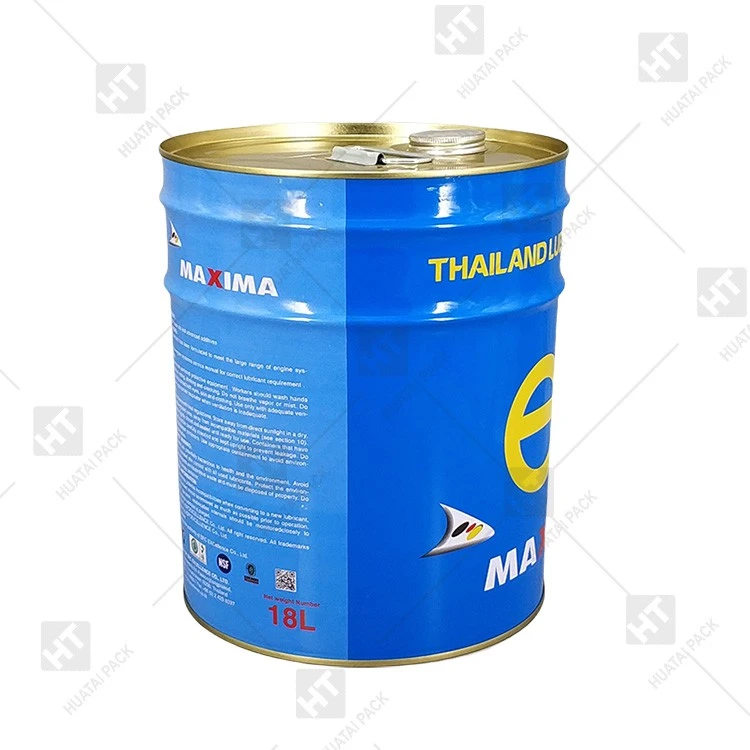
Friction - fit lids are simple and cost - effective. They are pressed onto the top of the pail, creating a seal through friction. These lids are easy to remove and replace, making them suitable for applications where frequent access to the contents is required. However, they may not provide as tight a seal as screw - on lids.
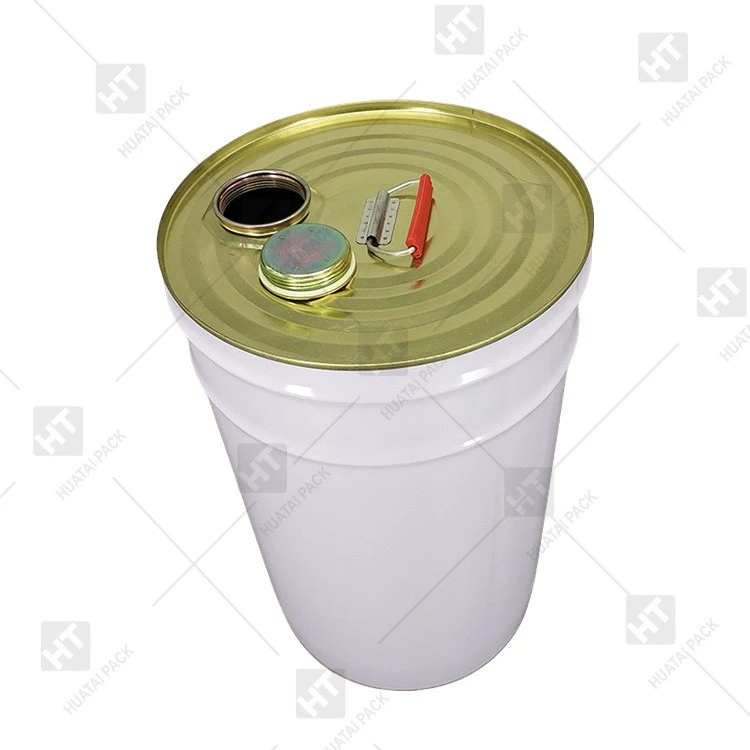
Screw - on lids, on the other hand, offer a more secure seal. They are threaded and can be tightened onto the pail, ensuring that there is no leakage even under pressure. This type of lid is commonly used for storing hazardous materials or substances that need to be protected from the environment. For instance, in the storage of Metal Drum For Engine Oil, a screw - on lid is essential to prevent oil from leaking and to keep contaminants out.
Handle Design
Handles are an important feature of closed metal pails as they facilitate handling and transportation. The design of the handle should be ergonomic, allowing users to grip it comfortably. It should also be strong enough to support the weight of the filled pail.
Most closed metal pails have two types of handles: wire handles and plastic - coated handles. Wire handles are simple and durable. They are usually made of steel wire and are attached to the sides of the pail. Plastic - coated handles provide a more comfortable grip and can also protect the user's hands from sharp edges. They are often used in applications where the pail is handled frequently.
Reinforcement and Seaming
To ensure the structural integrity of the closed metal pail, reinforcement and seaming techniques are employed. Reinforcement can be in the form of ribs or beads on the body of the pail. These ribs increase the strength of the pail, allowing it to withstand internal pressure and external impacts.
The seaming process is crucial for joining the different parts of the pail, such as the body and the bottom. A proper seam should be tight and leak - proof. Double - seaming is a common method used in the manufacturing of closed metal pails. It involves folding and interlocking the edges of the metal sheets, creating a strong and secure joint.
Safety Features
Safety is a top priority in the design of closed metal pails. For pails used to store hazardous materials, there are specific safety requirements. For example, they may need to be equipped with venting systems to prevent the build - up of pressure inside the pail. These venting systems are designed to release excess pressure in a controlled manner, reducing the risk of explosion or rupture.
Some closed metal pails also have tamper - evident features. These features can include seals or labels that show if the pail has been opened or tampered with. This is important for ensuring the integrity of the contents, especially in industries such as pharmaceuticals and food.
Aesthetics and Branding
In addition to functionality and safety, the aesthetics of the closed metal pail also matter. A well - designed pail can enhance the brand image of the product it contains. Pails can be customized with different colors, logos, and labels. For example, a paint company may choose to have their logo printed on the pail to increase brand visibility.
The surface finish of the pail can also be customized. It can be smooth, matte, or have a textured finish. A smooth finish is easy to clean and gives a modern look, while a textured finish can provide better grip and protection against scratches.
Environmental Considerations
As environmental awareness grows, the design of closed metal pails also takes into account environmental factors. Metal is a highly recyclable material, and closed metal pails can be recycled at the end of their life cycle. This reduces the environmental impact compared to using non - recyclable materials.
Some pail designs also focus on reducing the amount of material used without compromising on strength and functionality. This not only saves resources but also reduces the cost of production.
In conclusion, the standard design of a closed metal pail is a complex combination of factors, including material selection, dimensions, lid and handle design, reinforcement, safety features, aesthetics, and environmental considerations. At our company, we are committed to providing high - quality Closed Metal Pail that meet all these standards. Whether you are in the paint, chemical, food, or any other industry, our closed metal pails can meet your specific needs.
If you are interested in purchasing our closed metal pails or have any questions about our products, please feel free to contact us for a detailed discussion. We look forward to working with you and meeting your packaging requirements.
References
- Packaging Machinery Manufacturers Institute. (2023). Metal Packaging Design and Manufacturing Guidelines.
- ASTM International. (2023). Standard Specifications for Metal Containers.
- European Metal Packaging Association. (2023). Best Practices in Metal Pail Design.