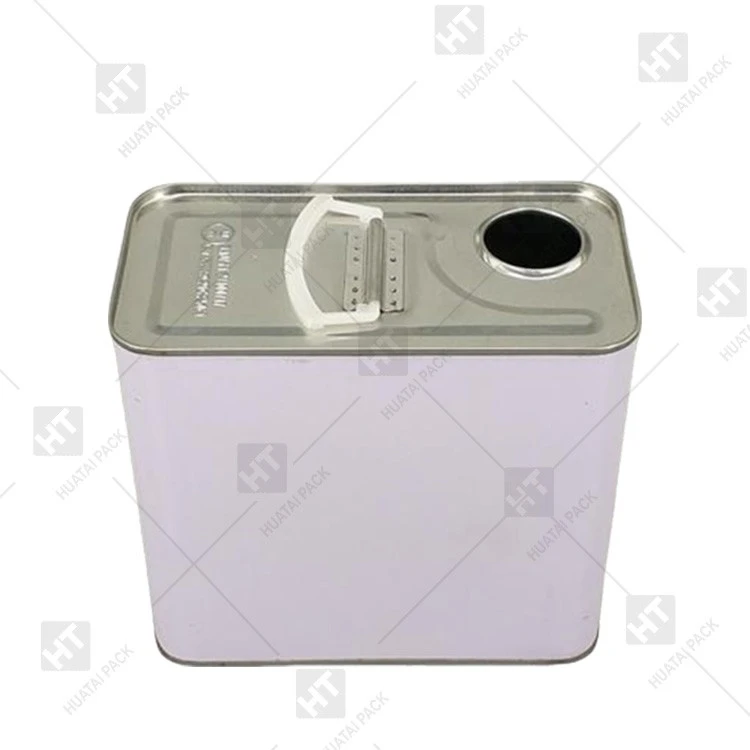

Are there any regulations regarding engine oil cans?
May 12, 2025
Are there any regulations regarding engine oil cans?
As a supplier of engine oil cans, I often encounter inquiries from customers about the regulations surrounding these essential containers. Engine oil cans play a crucial role in the storage and transportation of engine oil, and they are subject to various regulations to ensure safety, environmental protection, and product quality. In this blog post, I will explore the key regulations that govern engine oil cans and their implications for our business.
Safety Regulations
One of the primary concerns when it comes to engine oil cans is safety. Engine oil is a flammable and potentially hazardous substance, so the cans used to store it must meet strict safety standards. These standards typically cover aspects such as material quality, construction, and labeling.
Material Quality
Engine oil cans are commonly made of metal, such as tinplate or aluminum. These materials are chosen for their durability, corrosion resistance, and ability to withstand the pressure and temperature changes associated with engine oil storage. The thickness and quality of the metal are carefully regulated to ensure that the cans can safely contain the oil without leaking or bursting.
Construction
The construction of engine oil cans is also subject to regulations. The cans must be designed and manufactured in a way that prevents leakage and minimizes the risk of spills. This includes features such as tight-fitting lids, secure seams, and proper sealing mechanisms. Additionally, the cans may be required to have specific shapes or dimensions to ensure compatibility with storage and transportation equipment.
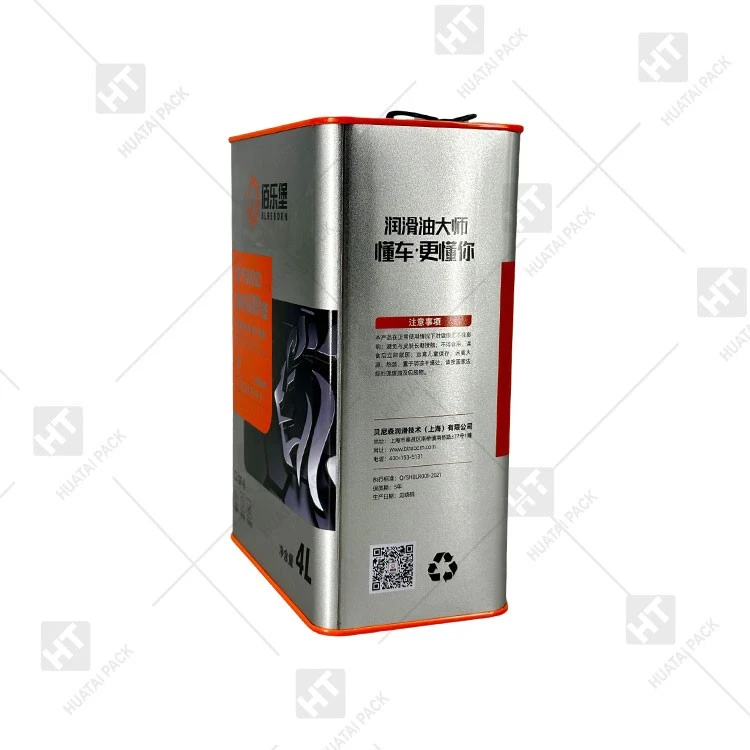
Labeling
Proper labeling is essential for ensuring the safe handling and use of engine oil cans. The labels must provide clear and accurate information about the contents of the can, including the type of oil, its viscosity, and any safety warnings or precautions. In many countries, there are specific regulations regarding the size, font, and placement of labels on engine oil cans to ensure that the information is easily visible and legible.
Environmental Regulations
In addition to safety regulations, engine oil cans are also subject to environmental regulations. These regulations are designed to minimize the environmental impact of the production, use, and disposal of engine oil cans.
Recycling
One of the key environmental regulations related to engine oil cans is recycling. Many countries have implemented recycling programs for metal cans, including engine oil cans. These programs encourage consumers to recycle their used cans instead of throwing them away, which helps to conserve natural resources and reduce waste. As a supplier of engine oil cans, we are committed to supporting these recycling initiatives and ensuring that our cans are made from recyclable materials.
Packaging Design
Another important aspect of environmental regulations is packaging design. Engine oil cans are often packaged in cardboard boxes or other materials, and these packaging materials must also meet certain environmental standards. For example, the packaging may be required to be made from recycled materials or to be easily recyclable itself. Additionally, the packaging design should be optimized to minimize the amount of material used and to reduce the environmental impact of transportation.
Waste Management
Proper waste management is crucial for ensuring the environmental safety of engine oil cans. When engine oil cans are no longer in use, they must be disposed of in a responsible manner. This may involve recycling the cans, disposing of them in a landfill, or incinerating them in a controlled environment. As a supplier, we work closely with our customers to ensure that they are aware of the proper waste management procedures for our products and to provide them with the necessary information and resources to comply with these regulations.
Product Quality Regulations
In addition to safety and environmental regulations, engine oil cans are also subject to product quality regulations. These regulations are designed to ensure that the cans meet certain standards of quality and performance, and that they are suitable for their intended use.
Quality Control
As a supplier of engine oil cans, we have a rigorous quality control process in place to ensure that our products meet the highest standards of quality and performance. This includes testing the cans for various properties, such as strength, durability, and corrosion resistance, and inspecting them for any defects or imperfections. We also work closely with our suppliers to ensure that the raw materials used in the production of our cans meet the required quality standards.
Compatibility
Engine oil cans must be compatible with the type of oil they are intended to store. This means that the cans must be made from materials that are resistant to the chemicals and additives found in engine oil, and that they must be able to maintain their integrity over time. As a supplier, we work closely with our customers to understand their specific requirements and to ensure that the cans we supply are compatible with their products.
Certification
In many countries, engine oil cans are required to be certified by a recognized standards organization. This certification ensures that the cans meet certain standards of quality and performance, and that they are suitable for their intended use. As a supplier, we are committed to obtaining and maintaining the necessary certifications for our products to ensure that they meet the highest standards of quality and safety.
Implications for Our Business
The regulations surrounding engine oil cans have significant implications for our business. As a supplier, we must ensure that our products comply with all applicable regulations to avoid any legal issues or penalties. This requires us to stay up-to-date with the latest regulatory requirements and to make any necessary changes to our products or processes to ensure compliance.
In addition to compliance, the regulations also present opportunities for our business. By offering high-quality, compliant engine oil cans, we can differentiate ourselves from our competitors and build a reputation for reliability and trust. We can also work with our customers to help them meet their own regulatory requirements and to provide them with the support and resources they need to ensure the safe and responsible use of our products.
Conclusion
In conclusion, there are indeed many regulations regarding engine oil cans, covering aspects such as safety, environmental protection, and product quality. As a supplier of engine oil cans, we are committed to complying with all applicable regulations and to providing our customers with high-quality, compliant products. By doing so, we can ensure the safety and well-being of our customers, protect the environment, and build a successful and sustainable business.
If you are interested in purchasing engine oil cans, we offer a wide range of products to meet your needs. Our Rectangular Tin Cans are known for their durability and functionality. We also have 4L F-style Tin Can and 1L 4L Square Tin Can options available. Feel free to contact us to discuss your requirements and start a procurement negotiation.
References - Various national and international safety and environmental standards related to packaging and hazardous materials. - Industry best practices and guidelines for engine oil can manufacturing and use.