

How does a 16oz glue can handle shock?
May 12, 2025
As a supplier of 16oz glue cans, I often get asked about how these containers handle shock. Understanding the shock - handling capabilities of our 16oz glue cans is crucial, not only for the safety of the product during transportation but also for maintaining its quality until it reaches the end - user.
Structure and Material of 16oz Glue Cans
Our 16oz glue cans are typically made from high - quality PVC material. PVC, or polyvinyl chloride, is a widely used plastic known for its durability and versatility. The structure of the can is designed with a cylindrical shape, which provides inherent strength. The circular cross - section distributes stress evenly around the can, reducing the risk of weak points that could lead to damage upon impact.
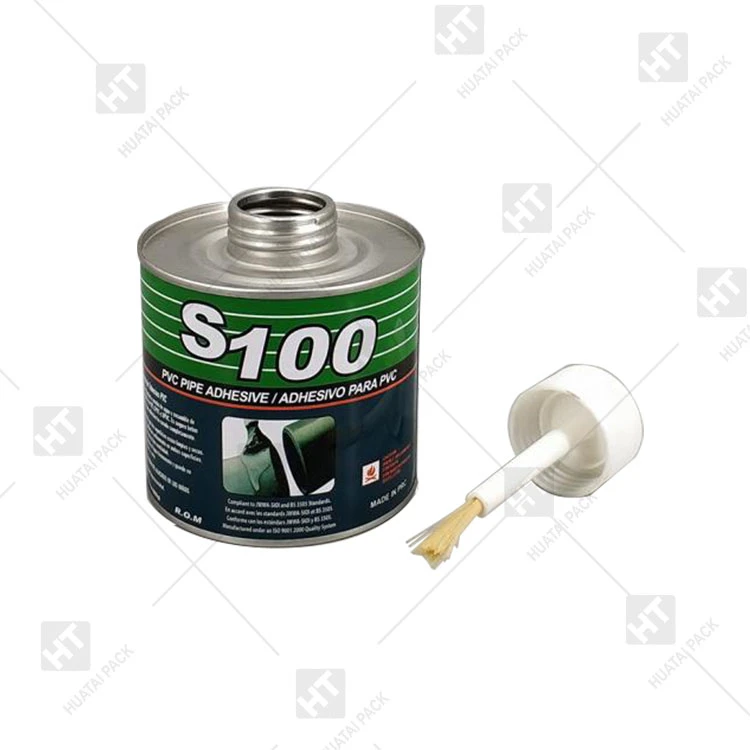
The Pvc Can is also equipped with a well - designed cap. The cap not only seals the glue inside to prevent leakage but also adds an extra layer of protection to the can. The cap is made to fit tightly, ensuring that even when the can experiences a shock, the contents remain secure.
Shock Absorption Mechanisms
When a 16oz glue can is subjected to shock, several factors come into play to ensure its integrity. Firstly, the thickness of the PVC material plays a vital role. Our cans are manufactured with an optimal thickness that provides a balance between weight and strength. A thicker wall can absorb more energy from a shock, but it also adds unnecessary weight, which can increase transportation costs.
The internal volume of the can also affects shock absorption. The glue inside the can acts as a buffer to some extent. When the can is jolted, the liquid glue moves and absorbs some of the energy from the shock. However, this is only effective up to a certain point. If the shock is too severe, the can may still be damaged.
Testing for Shock Resistance
To ensure that our 16oz glue cans can handle shock effectively, we conduct a series of rigorous tests. Drop tests are one of the most common methods. We drop the cans from different heights onto various surfaces, including hard concrete and softer wooden floors. This simulates the real - world scenarios that the cans may encounter during transportation, such as being dropped accidentally in a warehouse or on a delivery truck.
We also use vibration testing. The cans are placed on a vibrating platform that mimics the vibrations experienced during transit. By subjecting the cans to continuous vibrations for an extended period, we can identify any potential weaknesses in the can's structure. If a can fails these tests, we go back to the drawing board and make adjustments to the design or the material.
Comparing with 8oz Glue Cans
It's interesting to compare our 16oz glue cans with 8oz Pvc Can With Cap. The 8oz cans are smaller and lighter, which means they generally experience less force during a shock. However, their smaller size also means that they have less internal volume for the glue to act as a buffer.
In some cases, the 16oz cans may be more robust due to their larger size and the ability to distribute the shock over a larger surface area. But this also depends on the specific design and material of each can. Our 16oz Pvc Can With Cap is engineered to handle shock better, taking into account the unique challenges associated with its size.
Impact on Product Quality
The ability of the 16oz glue can to handle shock is directly related to the quality of the glue inside. If the can is damaged during transit, the glue may leak, leading to a loss of product and potential safety hazards. Moreover, a damaged can may allow air or moisture to enter, which can degrade the quality of the glue over time.
For example, some glues are sensitive to air exposure and can harden or lose their adhesive properties. By ensuring that our 16oz glue cans can handle shock, we are also protecting the quality of the glue, which is essential for customer satisfaction.
Environmental Factors and Shock
Environmental factors can also affect how a 16oz glue can handles shock. Temperature is a significant factor. In cold temperatures, the PVC material of the can may become more brittle, reducing its shock - absorbing capabilities. On the other hand, in hot temperatures, the glue inside may expand, putting additional stress on the can.
Humidity can also play a role. High humidity can cause the can to become slippery, increasing the risk of it being dropped. Additionally, moisture can potentially weaken the can's structure over time. We take these environmental factors into account during the design and manufacturing process to ensure that our cans can withstand a wide range of conditions.
Real - World Applications
In the real world, our 16oz glue cans are used in various industries, including construction, woodworking, and DIY projects. These industries often involve a lot of movement and handling of the glue cans. For example, in a construction site, the cans may be transported in rough vehicles and dropped onto uneven surfaces.
Our ability to provide 16oz glue cans that can handle shock gives our customers peace of mind. They know that the glue they are using will arrive in good condition and will be of high quality. This is especially important for large - scale projects where any disruption due to damaged glue cans can lead to delays and increased costs.
Conclusion
In conclusion, our 16oz glue cans are designed and engineered to handle shock effectively. Through careful selection of materials, optimal design, and rigorous testing, we ensure that these cans can withstand the challenges of transportation and real - world use. The use of high - quality PVC material, combined with a well - designed cap, provides a strong and reliable container for the glue.

If you are in the market for high - quality 16oz glue cans or other PVC adhesive cans, we invite you to contact us for more information and to discuss your specific requirements. Our team is ready to assist you in finding the perfect solution for your needs.
References
- ASTM International. "Standard Test Methods for Impact Resistance of Rigid Plastic Containers by Free - Fall Test." ASTM D2463 - 17.
- Plastic Pipe and Fittings Association. "Properties and Performance of PVC."