

What are the environmental impacts of a 2l olive oil can?
May 21, 2025
Hey there! I'm a supplier of 2L olive oil cans, and I've been thinking a lot about the environmental impacts of these little guys. You might not give much thought to the can that holds your favorite olive oil, but it actually has a significant footprint on our planet. Let's dive into the details and see what's going on.
Production Phase
First off, let's talk about how these 2L olive oil cans are made. Most of them are made of metal, usually aluminum or tinplate. The extraction of these metals from the earth is a resource - intensive process. Mining for bauxite (the main source of aluminum) or iron ore (for tinplate) involves large - scale excavation, which can lead to deforestation and habitat destruction.
The energy required to mine, refine, and process these metals is also huge. For example, aluminum production is extremely energy - hungry. It takes a lot of electricity to smelt bauxite into aluminum. This electricity often comes from fossil - fuel power plants, which emit a large amount of greenhouse gases like carbon dioxide. These emissions contribute to global warming and climate change.
Another aspect of production is the manufacturing of the cans themselves. The process includes shaping the metal, coating it to prevent corrosion, and adding labels. Each step uses energy and resources. Chemicals are also used in the coating process, and if not properly managed, these chemicals can end up polluting water sources and soil.
Filling and Distribution
Once the 2L olive oil cans are produced, they need to be filled with olive oil and then distributed to stores. The filling process requires machinery that runs on electricity. And don't forget about the packaging materials used to protect the cans during transportation, like cardboard boxes and plastic wraps. These additional materials also have their own environmental impacts.
Transportation is a major contributor to the carbon footprint of the 2L olive oil cans. Whether they're shipped by truck, train, or ship, all these modes of transport burn fossil fuels. Trucks, in particular, are known for their high emissions of nitrogen oxides and particulate matter, which are harmful to air quality and human health.
Consumer Use and Disposal
When consumers buy 2L olive oil cans, they use the oil and then are left with an empty can. Unfortunately, not all consumers recycle these cans properly. Some end up in landfills, where they take a long time to decompose. Metal cans can release heavy metals into the soil over time, which can contaminate groundwater and harm plants and animals.
Even when cans are recycled, the recycling process has its own challenges. Recycling metal requires energy to melt and re - shape the cans. However, it's still much more energy - efficient than producing new metal from raw materials. For example, recycling aluminum saves about 95% of the energy needed to produce new aluminum from bauxite.
Our Role as a Supplier
As a 2L olive oil can supplier, we have a responsibility to minimize the environmental impacts of our products. We're constantly looking for ways to make our production process more sustainable. For instance, we're exploring the use of recycled metals in our can production. This not only reduces the demand for new raw materials but also cuts down on the energy consumption and emissions associated with mining and refining.
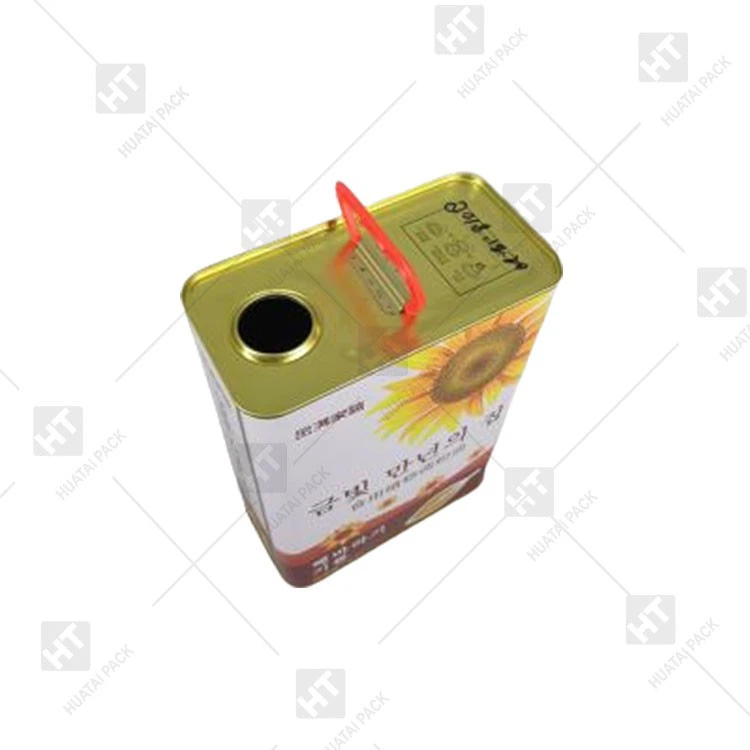

We're also working on improving the efficiency of our manufacturing process. By optimizing our machinery and reducing waste, we can lower our energy usage and environmental footprint. And when it comes to packaging, we're trying to use more eco - friendly materials. Instead of plastic wraps, we're looking into biodegradable alternatives.
Alternative Products
If you're concerned about the environmental impact of 2L olive oil cans, there are some alternative products you might want to consider. For larger quantities, we also offer [3L Olive Oil Can](/olive - oil/3l - olive - oil - can.html). These bigger cans can reduce the amount of packaging per liter of olive oil, which means less waste in the long run.
We also have [Empty Metal Oilve Oil Can](/olive - oil/empty - metal - oilve - can.html) available. If you want to refill your olive oil, these empty cans can be a great option. You can take them to a local olive oil producer and get them filled, reducing the need for new packaging every time.
And for those who need even more olive oil, our [5L Empty Olive Oil Square Tin Can](/olive - oil/5l - empty - olive - oil - square - tin - can.html) is a practical choice. The square shape is more space - efficient during transportation, which can lower the carbon emissions associated with shipping.
Encouraging Recycling
We know that recycling is key to reducing the environmental impact of our 2L olive oil cans. That's why we're working on educating our customers about the importance of recycling. We're including recycling instructions on our can labels and providing information on our website about local recycling facilities.
We're also considering setting up a recycling program ourselves. We could offer incentives for customers to return their empty cans to us, and then we can ensure that they're properly recycled.
Conclusion
In conclusion, 2L olive oil cans have a range of environmental impacts, from production to disposal. But as a supplier, we're committed to doing our part to make the process more sustainable. By using recycled materials, improving manufacturing efficiency, and encouraging recycling, we can reduce the carbon footprint of our products.
If you're interested in purchasing our 2L olive oil cans or any of our other products, we'd love to hear from you. Whether you're a small business looking to stock high - quality olive oil cans or a large retailer, we can provide you with the products you need. Get in touch with us to start a conversation about your procurement needs. Let's work together to make the olive oil packaging industry more environmentally friendly!
References
- EPA. (2023). Metals Recycling Basics. Environmental Protection Agency.
- World Steel Association. (2023). The Steel Industry and the Environment.
- Aluminum Association. (2023). Recycling Aluminum: A Sustainable Solution.