

Are there any environmental concerns when using an adhesive can on PVC?
May 21, 2025
When it comes to working with PVC, adhesives play a crucial role in ensuring strong and long - lasting bonds. As a PVC and adhesive can supplier, I often receive inquiries about the environmental implications of using adhesive cans on PVC. In this blog post, I'll delve into the various environmental concerns associated with this process and provide insights into how we can mitigate these issues.
1. Raw Materials and Their Environmental Impact
The production of adhesive cans and PVC involves a range of raw materials, each with its own set of environmental challenges.
PVC (Polyvinyl Chloride)
PVC is one of the most widely used plastics in the world. However, its production is energy - intensive and involves the use of chlorine, which can lead to the formation of dioxins, a highly toxic group of chemicals. Dioxins are persistent organic pollutants (POPs) that can bioaccumulate in the food chain and have been linked to various health problems, including cancer, reproductive and developmental disorders.
During the manufacturing process of PVC, large amounts of fossil fuels are consumed, contributing to greenhouse gas emissions. Additionally, when PVC products reach the end of their life cycle, if not properly disposed of, they can release harmful chemicals into the environment. For example, when PVC is incinerated, it can emit hydrochloric acid and other toxic substances.
Adhesive Can Materials
Adhesive cans are typically made of metal or plastic. Metal cans, usually made of steel or aluminum, require significant energy for mining, refining, and manufacturing. The extraction of these metals can also cause environmental degradation, such as deforestation, soil erosion, and water pollution.
Plastic cans, on the other hand, are often made from polymers like polyethylene or polypropylene. These plastics are derived from petroleum, a non - renewable resource. Plastic production also generates a large amount of waste and can contribute to the global plastic pollution problem.
2. Chemicals in Adhesives
Adhesives used on PVC often contain a variety of chemicals, some of which can be harmful to the environment.
Volatile Organic Compounds (VOCs)
Many adhesives release VOCs into the air during application and drying. VOCs are organic chemicals that have a high vapor pressure at room temperature. They can react with nitrogen oxides in the presence of sunlight to form ground - level ozone, a major component of smog. Exposure to high levels of VOCs can also cause respiratory problems, headaches, and eye irritation in humans.
Some common VOCs found in adhesives include toluene, xylene, and acetone. These chemicals can persist in the environment for a long time and can contaminate soil and water sources.
Heavy Metals
Certain adhesives may contain heavy metals such as lead, mercury, and cadmium. These metals are toxic to both humans and the environment. They can accumulate in the soil, water, and living organisms, causing long - term damage to ecosystems. For example, lead can affect the nervous system of animals and humans, especially children, leading to learning disabilities and behavioral problems.
3. Packaging and Waste Management
The packaging of adhesive cans and PVC products also has environmental implications.
Excessive Packaging
Many adhesive cans come with excessive packaging, such as plastic wrappers, cardboard boxes, and Styrofoam inserts. This not only adds to the cost but also generates a large amount of waste. Excessive packaging materials often end up in landfills, where they can take hundreds of years to decompose.
Recycling Challenges
Recycling adhesive cans and PVC products can be challenging. Metal cans can be recycled, but the process requires energy and specialized equipment. Plastic cans may not be accepted in all recycling programs, especially if they are contaminated with adhesive residues.
PVC recycling is also complex due to the presence of additives and the difficulty of separating it from other plastics. As a result, a significant amount of PVC waste ends up in landfills or is incinerated, which can release harmful chemicals into the environment.
4. Mitigation Strategies
As a responsible PVC and adhesive can supplier, we are committed to reducing the environmental impact of our products.
Sustainable Raw Materials
We are exploring the use of more sustainable raw materials in the production of our adhesive cans and PVC products. For example, we are looking into bio - based plastics made from renewable resources such as corn starch or sugarcane. These bio - plastics have a lower carbon footprint and are more easily biodegradable compared to traditional petroleum - based plastics.
In addition, we are working with our suppliers to source metals from mines that follow environmentally friendly practices, such as reducing water pollution and minimizing habitat destruction.
Low - VOC Adhesives
We are investing in research and development to formulate low - VOC adhesives. These adhesives release fewer harmful chemicals into the air during application and drying, reducing the risk of air pollution and health problems for users. By using low - VOC adhesives, we can also contribute to improving indoor air quality in buildings where PVC products are installed.
Reducing Packaging
We are taking steps to reduce the amount of packaging used for our products. We are eliminating unnecessary plastic wrappers and cardboard boxes and using more minimalist packaging designs. In addition, we are exploring the use of recyclable or biodegradable packaging materials to further reduce our environmental impact.
Promoting Recycling
We are educating our customers about the importance of recycling adhesive cans and PVC products. We provide clear instructions on how to properly clean and recycle our products and encourage our customers to participate in local recycling programs. We are also working with recycling facilities to develop more efficient recycling processes for our products.
5. Our Product Range
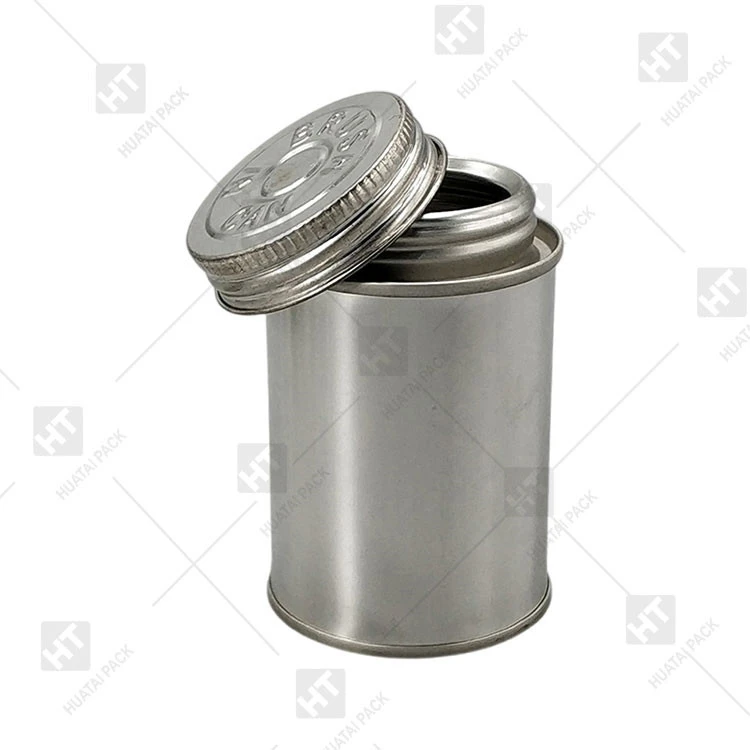
We offer a wide range of adhesive cans suitable for PVC applications. Our [4oz Pvc Can With Cap](/pvc - adhesive - can/4oz - pvc - can - with - cap.html) is perfect for small - scale projects, providing just the right amount of adhesive without excessive waste. For larger jobs, our [8oz Glue Can](/pvc - adhesive - can/8oz - glue - can.html) and [32oz Glue Can](/pvc - adhesive - can/32oz - glue - can.html) offer more capacity. All our cans are designed with the environment in mind, using sustainable materials and minimal packaging.
6. Call to Action
If you are in the market for high - quality PVC and adhesive cans, we invite you to contact us for a detailed discussion. We understand the importance of balancing performance and environmental responsibility, and we are committed to providing you with the best products and solutions. Whether you have questions about our environmental initiatives or need advice on choosing the right product for your project, our team of experts is here to assist you. Let's work together to create a more sustainable future while achieving excellent results in your PVC projects.

References
- "The Environmental Impact of PVC Production and Disposal." Journal of Environmental Science and Technology.
- "Volatile Organic Compounds in Adhesives: Sources, Effects, and Mitigation." International Journal of Adhesion and Adhesives.
- "Heavy Metals in Consumer Products: A Review of Environmental and Health Risks." Environmental Health Perspectives.