

What is the shelf life of a pint paint can?
May 20, 2025
When it comes to the world of painting, the shelf life of a pint paint can is a crucial consideration for both consumers and suppliers like myself. As a provider of [mention types related to pint paint cans, e.g., high - quality] pint paint cans, I've encountered numerous questions regarding how long these cans of paint can maintain their usability. In this blog, I'll delve into the factors that influence the shelf life of a pint paint can, share some tips on extending it, and highlight the importance of proper storage.
Understanding the Basics of Paint Shelf Life
Paint, in general, is a complex mixture of pigments, binders, solvents, and additives. Each of these components plays a role in determining how long the paint will last. The shelf life of a pint paint can can vary widely depending on the type of paint.
Latex Paints
Latex paints, which are water - based, are quite popular due to their ease of use and low odor. Typically, unopened latex paint cans have a shelf life of about 2 to 10 years. The wide range is due to several factors. High - quality latex paints with better - formulated additives and binders tend to have a longer shelf life. These paints are designed to resist spoilage, mold growth, and separation of components.
However, if the paint has been exposed to extreme temperatures, the shelf life can be significantly reduced. For example, if a can of latex paint is stored in a garage where temperatures can drop below freezing in the winter or soar above 90°F (32°C) in the summer, the paint may start to deteriorate. Freezing can cause the emulsion in the paint to break down, leading to a lumpy or curdled consistency that is difficult to use.
Oil - Based Paints
Oil - based paints, on the other hand, have a different set of characteristics. Unopened oil - based paint cans usually have a shelf life of 3 to 5 years. The solvents in oil - based paints evaporate over time, which can cause the paint to thicken. If the paint thickens too much, it may become unusable.
Oil - based paints are also more prone to oxidation. When the paint is exposed to air, the oxygen in the air can react with the oil in the paint, causing it to harden or form a skin on the surface. This oxidation process can be accelerated if the can is not properly sealed.
Factors Affecting the Shelf Life of a Pint Paint Can
Storage Conditions
The way a paint can is stored has a huge impact on its shelf life. As mentioned earlier, temperature is a critical factor. Extreme cold or heat can damage the paint. A stable temperature between 50°F (10°C) and 80°F (27°C) is ideal for storing paint.
Humidity is another important consideration. High humidity can lead to the growth of mold and mildew inside the paint can. It can also cause the metal can to rust, which may contaminate the paint. Storing paint in a dry place, such as a climate - controlled basement or a closet, is recommended.
Quality of the Can
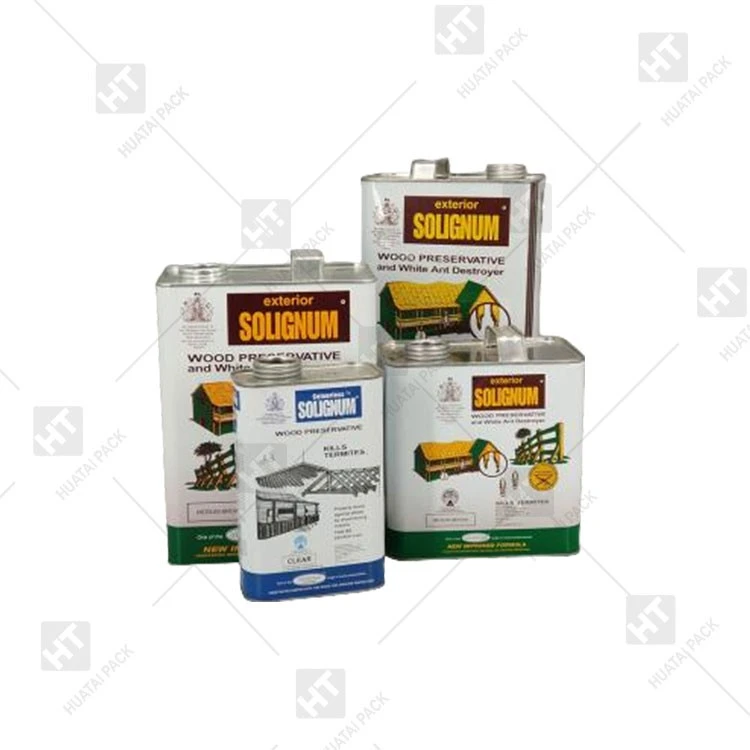
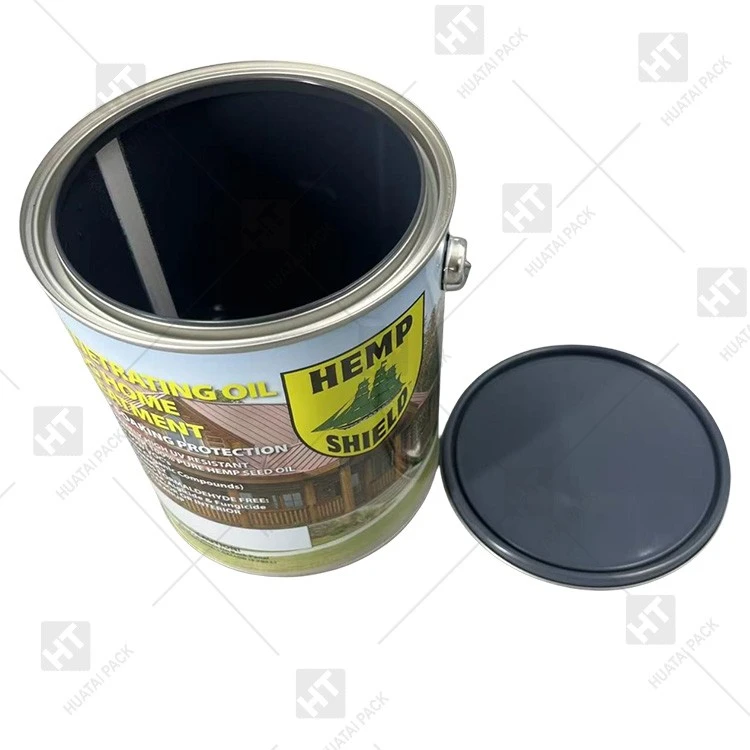
The quality of the Metal Paint Can itself matters. A well - made can with a tight - fitting lid will prevent air and moisture from getting in. Our Empty Metal Paint Cans are designed with high - quality materials to ensure a good seal. The can's construction should also be resistant to dents and punctures, as any damage to the can can compromise the integrity of the paint inside.
Paint Formulation
The specific formulation of the paint, including the type and quality of pigments, binders, and additives, affects its shelf life. Premium paints often have better - quality ingredients that are more resistant to degradation. For example, some paints contain anti - microbial agents that prevent the growth of bacteria and fungi, extending the paint's usability.
How to Extend the Shelf Life of a Pint Paint Can
Proper Sealing
After opening a paint can, it's essential to seal it properly. Wipe the rim of the can clean to remove any paint residue before replacing the lid. Use a rubber mallet or a flat - head screwdriver to ensure the lid is tightly sealed. This will prevent air from entering the can and slow down the oxidation process.
Regular Inspection
Periodically check your paint cans for signs of damage, such as rust, dents, or leaks. If you notice any issues, transfer the paint to a new 500ml Round Tinplate Can if possible. Also, look for signs of spoilage, such as a foul odor, lumps, or separation of the paint components.
Temperature and Humidity Control
As mentioned, maintaining a stable temperature and low humidity is key. If you don't have a climate - controlled storage area, consider using a dehumidifier in a basement or garage. You can also insulate the storage area to protect the paint from extreme temperature fluctuations.
Determining if Paint is Still Usable
Even if a paint can is past its expected shelf life, it may still be usable. Here are some ways to check:
- Appearance: Stir the paint thoroughly. If it has a uniform consistency and no large lumps, it may still be okay to use. However, if the paint is extremely thick, curdled, or has a skin on the surface that won't break up, it's likely spoiled.
- Odor: A fresh can of paint should have a characteristic but not overly offensive odor. If the paint has a strong, foul smell, it may have gone bad.
- Test Application: If you're unsure, apply a small amount of the paint to a test surface. If it spreads evenly, dries properly, and adheres well, the paint is probably still usable.
The Importance of Shelf Life for a Pint Paint Can Supplier
As a supplier of pint paint cans, understanding and communicating the shelf life of the paint is crucial. It helps build trust with our customers. When customers know that our paint cans are designed to last and that we provide accurate information about shelf life, they are more likely to choose our products.
We also need to ensure that our storage facilities meet the proper standards to maintain the quality of the paint. This includes controlling temperature and humidity, and regularly inspecting our inventory. By doing so, we can reduce the amount of wasted paint and offer our customers a consistent, high - quality product.
Conclusion
In conclusion, the shelf life of a pint paint can depends on various factors, including the type of paint, storage conditions, quality of the can, and paint formulation. By understanding these factors and following the tips for extending shelf life, both consumers and suppliers can make the most of their paint.
If you're in the market for high - quality pint paint cans that are designed to protect your paint and extend its usability, I encourage you to reach out for a procurement discussion. We're here to provide you with the best solutions for your painting needs.
References
- "The Chemistry of Paints and Coatings" by Mary Jo Peterson
- "Paint Technology Handbook" by George Wypych