

Can industrial oil cans be used for fuel oils?
Sep 11, 2025
As a supplier of industrial oil cans, I often receive inquiries about the compatibility of these cans with fuel oils. This question is not only crucial for industries that rely on fuel oils for their operations but also for ensuring the safety and efficiency of oil storage and handling. In this blog post, I will delve into the technical aspects of using industrial oil cans for fuel oils, exploring the pros, cons, and key considerations.
Compatibility of Industrial Oil Cans with Fuel Oils
Industrial oil cans are designed to store and transport various types of oils, including lubricating oils, hydraulic oils, and engine oils. However, when it comes to fuel oils, such as gasoline, diesel, and kerosene, the compatibility is not always straightforward.
Material Compatibility
The first and most important factor to consider is the material of the industrial oil can. Most industrial oil cans are made of metal, typically steel or aluminum, or plastic. Each material has its own set of properties that determine its compatibility with fuel oils.
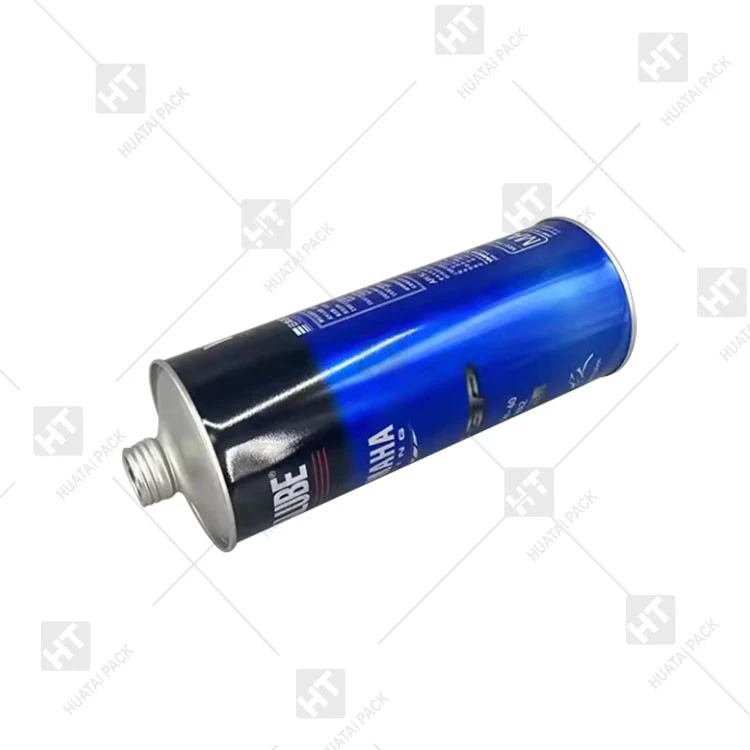
- Metal Oil Cans: Metal cans, such as the Metal Oil Can Container, are generally more resistant to the corrosive effects of fuel oils compared to plastic cans. Steel cans, in particular, are strong and durable, making them suitable for long-term storage of fuel oils. However, they are also heavier and more prone to rust if not properly coated or maintained. Aluminum cans, on the other hand, are lightweight and resistant to corrosion, but they may be more expensive than steel cans.
- Plastic Oil Cans: Plastic cans are lightweight, inexpensive, and easy to handle. However, they are more susceptible to the effects of fuel oils, such as swelling, cracking, and chemical degradation. Some types of plastic may also dissolve or leach harmful chemicals into the fuel oil, which can affect its performance and safety. Therefore, it is important to choose a plastic can that is specifically designed for use with fuel oils and is made from a high-quality, fuel-resistant plastic.
Design and Construction
In addition to material compatibility, the design and construction of the industrial oil can also play a crucial role in its suitability for fuel oils. A well-designed can should have a tight-fitting lid or cap to prevent leaks and spills, as well as a sturdy handle or spout for easy pouring.
- Sealing Mechanism: The sealing mechanism of the can is particularly important when storing fuel oils, as even a small leak can pose a significant safety hazard. Look for cans with a reliable sealing system, such as a screw-on cap or a snap-on lid with a rubber gasket. This will help to prevent the evaporation of fuel vapors and the ingress of moisture and contaminants.
- Spout Design: The spout of the can should be designed to allow for easy and controlled pouring of the fuel oil. A long, narrow spout can help to reduce spillage and make it easier to fill small or hard-to-reach containers. Some cans may also feature a built-in pour spout or a detachable spout for added convenience.
Advantages of Using Industrial Oil Cans for Fuel Oils
Despite the potential challenges, there are several advantages to using industrial oil cans for fuel oils.

Safety
One of the main advantages of using industrial oil cans for fuel oils is safety. By storing fuel oils in a dedicated container, you can reduce the risk of spills, leaks, and fires. Industrial oil cans are designed to meet strict safety standards and are often equipped with features such as flame arrestors and pressure relief valves to prevent explosions and other hazards.
Convenience
Industrial oil cans are also convenient for storing and transporting fuel oils. They come in a variety of sizes and shapes, making it easy to choose a can that is suitable for your specific needs. Whether you need to store a small amount of fuel for a portable generator or a large quantity of fuel for a fleet of vehicles, there is an industrial oil can that will meet your requirements.
Cost-Effectiveness
Using industrial oil cans for fuel oils can also be cost-effective in the long run. By purchasing fuel oils in bulk and storing them in reusable cans, you can save money on the cost of fuel and reduce your environmental impact. Additionally, industrial oil cans are generally more durable than disposable containers, which means they can be used multiple times before needing to be replaced.
Disadvantages of Using Industrial Oil Cans for Fuel Oils
While there are many advantages to using industrial oil cans for fuel oils, there are also some potential disadvantages that you should be aware of.
Limited Capacity
One of the main disadvantages of using industrial oil cans for fuel oils is their limited capacity. Most industrial oil cans have a capacity of between 1 and 5 liters, which may not be sufficient for large-scale fuel storage or transportation. If you need to store a large quantity of fuel, you may need to use multiple cans or consider using a larger storage tank.
Maintenance Requirements
Industrial oil cans also require regular maintenance to ensure their continued performance and safety. This includes cleaning the can regularly to remove any dirt, debris, or contaminants, as well as inspecting the can for signs of damage or wear. If the can is damaged or worn, it should be replaced immediately to prevent leaks and other safety hazards.
Regulatory Compliance
Finally, it is important to note that the use of industrial oil cans for fuel oils may be subject to certain regulatory requirements. Depending on your location and the type of fuel oil you are storing, you may need to obtain a permit or license to store and transport fuel oils in industrial oil cans. It is important to check with your local authorities to ensure that you are in compliance with all applicable regulations.
Key Considerations When Using Industrial Oil Cans for Fuel Oils
If you decide to use industrial oil cans for fuel oils, there are several key considerations that you should keep in mind to ensure the safety and efficiency of your fuel storage and handling operations.
Choose the Right Can
As discussed earlier, it is important to choose an industrial oil can that is specifically designed for use with fuel oils and is made from a compatible material. Consider the size, shape, and capacity of the can, as well as its sealing mechanism and spout design.
Store the Can Properly
Once you have chosen the right can, it is important to store it properly to prevent leaks, spills, and other safety hazards. Store the can in a cool, dry place away from sources of heat, sparks, and flames. Make sure the can is upright and stable, and avoid stacking cans on top of each other.
Label the Can Clearly
To prevent confusion and ensure the safe handling of fuel oils, it is important to label the can clearly with the type of fuel oil it contains, as well as any relevant safety information. Use a permanent marker or a label that is resistant to the effects of fuel oils.
Follow Safety Procedures
When handling fuel oils, it is important to follow all applicable safety procedures to prevent accidents and injuries. This includes wearing appropriate protective clothing, such as gloves and goggles, and using a funnel or other device to prevent spills and splashes. Avoid smoking or using open flames near the can, and make sure the area is well-ventilated.
Conclusion
In conclusion, industrial oil cans can be used for fuel oils, but it is important to choose the right can, store it properly, and follow all applicable safety procedures. By considering the material compatibility, design and construction, and key considerations discussed in this blog post, you can ensure the safe and efficient storage and handling of fuel oils in industrial oil cans.
If you are interested in purchasing industrial oil cans for fuel oils, please feel free to contact us for more information. We are a leading supplier of industrial oil cans and can provide you with a wide range of options to meet your specific needs. Our team of experts can also provide you with advice and guidance on the selection, use, and maintenance of industrial oil cans for fuel oils.
References
- American Petroleum Institute (API). (2019). API Recommended Practice 2003: Protection Against Ignitions Arising Out of Static, Lightning, and Stray Currents.
- National Fire Protection Association (NFPA). (2018). NFPA 30: Flammable and Combustible Liquids Code.
- Occupational Safety and Health Administration (OSHA). (2012). 29 CFR 1910.106: Flammable and Combustible Liquids.