

How do I transport a pint paint can safely?
Sep 11, 2025
Transporting a pint paint can safely is a crucial aspect of our operations as a pint paint can supplier. Ensuring that these cans reach their destination intact and without any spills or damage is not only essential for customer satisfaction but also for maintaining safety standards throughout the supply chain. In this blog, I'll share some key strategies and best practices that we follow to guarantee the safe transportation of pint paint cans.
Understanding the Product
Before delving into the transportation methods, it's important to understand the nature of pint paint cans. These cans typically hold a relatively small volume of paint, usually around 16 fluid ounces or half a liter. However, the paint inside can be hazardous if not handled properly. It may contain volatile organic compounds (VOCs), solvents, and pigments that can be harmful to the environment and human health if they leak or spill.
Packaging Considerations
The first step in safe transportation is proper packaging. We use high - quality materials to ensure that the pint paint cans are well - protected. Each can is placed in a custom - designed cardboard sleeve that provides a cushioning effect. This sleeve helps to absorb any shocks or impacts that may occur during transit.
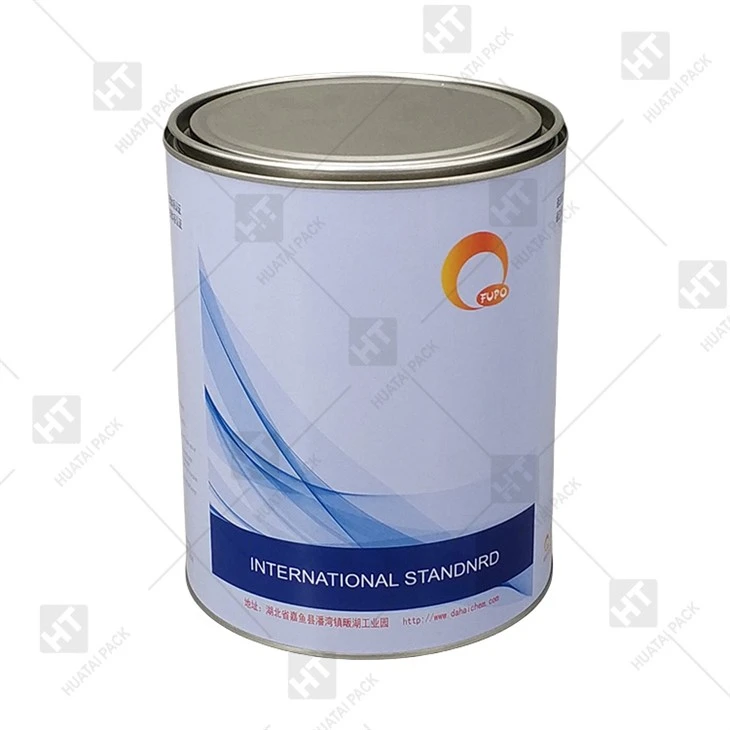
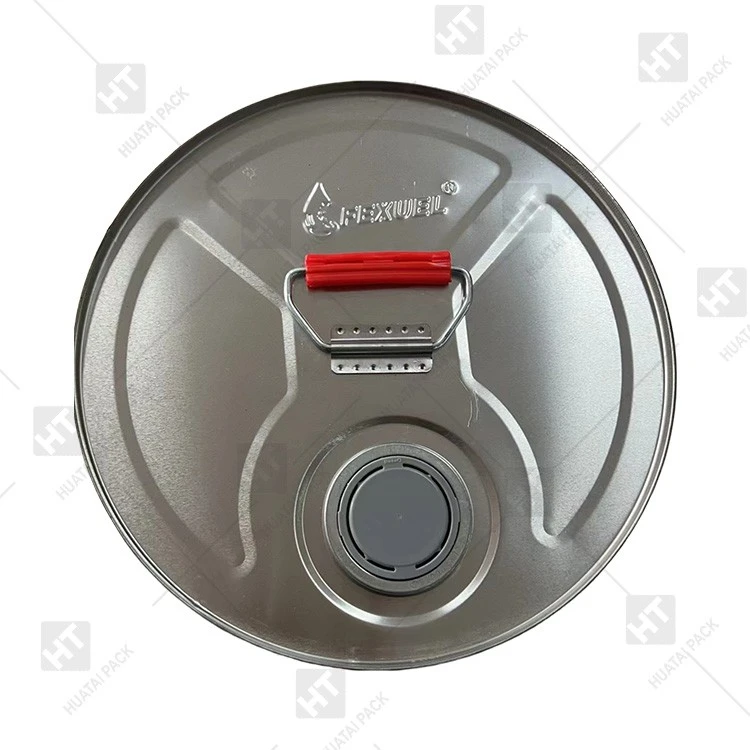
In addition to the cardboard sleeve, we also use dividers within shipping boxes. These dividers separate the individual cans, preventing them from rubbing against each other and potentially causing damage. The shipping boxes are made of sturdy corrugated cardboard, which is strong enough to withstand the rigors of transportation.
We also offer different types of paint cans for our customers. For example, our 1L Metal Paint Cans are known for their durability and resistance to corrosion. These cans are a great option for customers who need a reliable container for their paint. Our Round Empty Metal Tin Can is another popular choice, with its classic shape and high - quality construction.
Labeling and Documentation
Proper labeling is essential for the safe transportation of pint paint cans. Each can is clearly labeled with information about the paint inside, including its type, color, and any hazardous materials it contains. The labels also include safety instructions, such as warnings about flammability and proper handling procedures.
In addition to the can labels, the shipping boxes are also labeled with important information. This includes the contents of the box, handling instructions, and any regulatory markings required by transportation authorities. We ensure that all documentation, such as bills of lading and safety data sheets, is accurate and up - to - date. This helps to prevent any misunderstandings or delays during transit.
Transportation Modes
When it comes to transporting pint paint cans, we have several options. For local deliveries, we often use our own fleet of trucks. Our drivers are trained to handle hazardous materials safely and are familiar with the proper loading and unloading procedures. They also follow strict safety protocols, such as ensuring that the cans are secured properly in the truck to prevent shifting during transit.
For long - distance shipments, we work with reputable freight carriers. These carriers have the necessary equipment and expertise to transport hazardous materials safely. They are also required to comply with all relevant transportation regulations, which helps to ensure the safety of the paint cans and the people involved in the transportation process.
We also consider the mode of transportation based on the destination. If the shipment is going overseas, we may choose to use ocean freight. However, this requires additional precautions, such as proper containerization and compliance with international shipping regulations.
Storage During Transit
Proper storage during transit is also crucial for the safety of pint paint cans. The cans should be stored in a cool, dry place away from direct sunlight and sources of heat. This helps to prevent the paint from deteriorating and reduces the risk of leaks or spills.
In addition, the cans should be stored in an upright position. This ensures that the lid seals properly and reduces the chance of the paint leaking out. We also make sure that the shipping containers are well - ventilated to prevent the buildup of fumes.
Handling Procedures
Our staff is trained in proper handling procedures for pint paint cans. When loading and unloading the cans, they use appropriate equipment, such as pallet jacks and forklifts, to prevent damage. They also wear protective gear, such as gloves and goggles, to protect themselves from any potential spills or splashes.
During transit, the cans are monitored regularly to ensure that they are in good condition. If any signs of damage or leakage are detected, immediate action is taken to prevent further problems. This may involve repackaging the cans or transferring them to a different container.
Emergency Preparedness
Despite our best efforts, emergencies can still occur during the transportation of pint paint cans. That's why we have a comprehensive emergency preparedness plan in place. Our staff is trained to respond quickly and effectively to any spills or accidents.
We have a supply of spill - containment materials, such as absorbent pads and booms, on hand at all times. In the event of a spill, the area is immediately cordoned off to prevent the spread of the paint. The spill is then cleaned up using the appropriate procedures and materials.
We also have a communication plan in place to notify relevant authorities in case of a major incident. This helps to ensure that the situation is handled safely and efficiently.
Quality Control
Before shipping out any pint paint cans, we conduct a thorough quality control check. This includes inspecting the cans for any signs of damage, such as dents or scratches. We also test the seals to ensure that they are tight and leak - proof.
We also monitor the performance of our transportation processes on an ongoing basis. We collect feedback from our customers and use this information to identify areas for improvement. By continuously improving our processes, we can ensure that our pint paint cans are transported safely and efficiently.
Conclusion
Transporting a pint paint can safely requires a combination of proper packaging, labeling, transportation modes, storage, handling procedures, emergency preparedness, and quality control. As a pint paint can supplier, we are committed to ensuring that our products reach our customers in perfect condition.
If you are interested in purchasing our pint paint cans or have any questions about our transportation services, please feel free to contact us. We would be happy to discuss your specific needs and provide you with a customized solution.
References
- International Maritime Dangerous Goods (IMDG) Code
- United Nations Recommendations on the Transport of Dangerous Goods
- Occupational Safety and Health Administration (OSHA) regulations on hazardous materials transportation