

Can I use a pint paint can on wood surfaces?
May 26, 2025
When it comes to painting wood surfaces, one question that often arises is whether a pint paint can is a suitable option. As a supplier of Pint Paint Can, I'm here to delve into this topic and provide you with a comprehensive analysis.
Advantages of Using a Pint Paint Can on Wood Surfaces
1. Quantity Control
A pint paint can holds approximately 16 fluid ounces of paint. This quantity is ideal for small - to medium - sized wood projects. For instance, if you're painting a wooden picture frame, a small wooden box, or a set of wooden spoons, a pint of paint is usually more than enough. You won't end up with a large amount of leftover paint, which can be a waste and also requires proper storage.
2. Portability and Ease of Use
Pint paint cans are relatively small and lightweight. They are easy to carry around, especially if you're working on a project in different locations or need to move the paint from one room to another. The smaller size also makes it easier to handle the can while painting. You can hold it more comfortably and pour the paint precisely onto the wood surface without the risk of spilling large amounts of paint as you might with a larger can.
3. Cost - Effective for Small Projects
If you're only painting a small area of wood, buying a large can of paint would be expensive and unnecessary. A pint paint can offers a cost - effective solution. You can get the right amount of paint for your project at a lower cost, allowing you to stay within your budget while still achieving a high - quality finish.
Considerations When Using a Pint Paint Can on Wood Surfaces
1. Coverage
Before purchasing a pint paint can, it's important to consider the coverage area of the paint. Different types of paint have different coverage rates. For example, a high - quality enamel paint may cover more square feet per pint compared to a water - based acrylic paint. You need to measure the surface area of the wood you plan to paint and check the paint manufacturer's instructions for coverage. If the wood surface has a rough texture or if you need multiple coats for a smooth finish, you may need more paint than expected.
2. Type of Wood
The type of wood also plays a crucial role in determining whether a pint paint can is sufficient. Some woods, like pine, are porous and tend to absorb more paint. On the other hand, hardwoods such as oak or maple are less porous and may require less paint. If you're painting a porous wood, you may need to apply a primer first, which will also consume some of the paint. This means that you need to factor in the additional paint needed for priming and multiple coats when using a pint paint can.
3. Application Method
The way you apply the paint can affect the amount of paint used. If you're using a brush, you may use less paint compared to using a spray gun. A spray gun atomizes the paint, which can lead to more overspray and potentially use more paint. So, when planning your project with a pint paint can, choose the application method carefully to ensure that you don't run out of paint prematurely.
Our Pint Paint Can Offerings
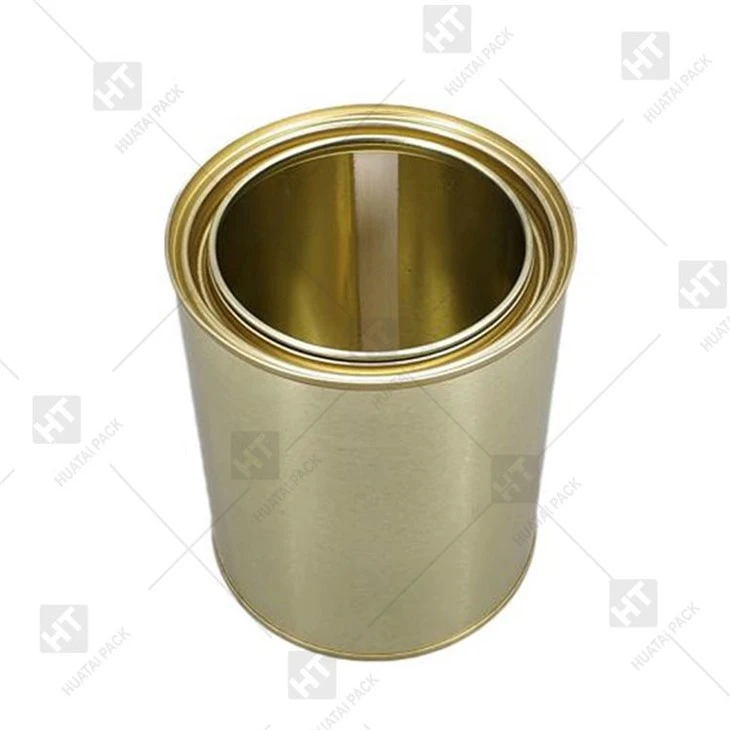
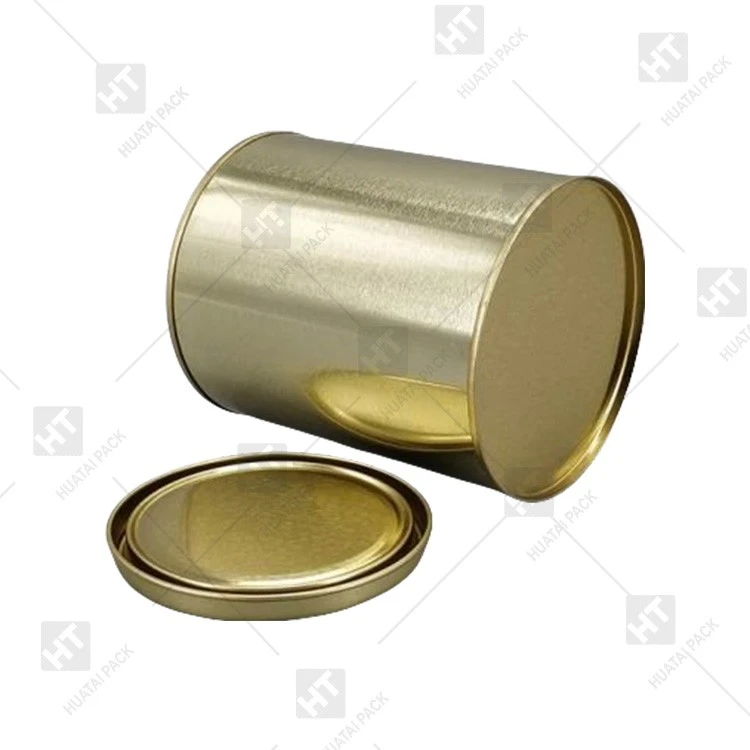
As a supplier, we offer a wide range of Pint Paint Can options. Our cans are made from high - quality materials, ensuring durability and preventing leaks. We have different styles, including Paint Can With Metal Handle, which provides better grip and ease of carrying.
Our Round Empty Metal Tin Can is a popular choice for customers who want to fill it with their preferred paint. These cans are designed to be air - tight, which helps preserve the paint for a longer time. They also have a smooth interior surface, making it easy to clean if you plan to reuse the can for different types of paint.
Tips for Using a Pint Paint Can on Wood Surfaces
1. Prepare the Wood Surface
Before applying the paint, make sure the wood surface is clean, dry, and sanded. Remove any dirt, dust, or old paint. Sanding the wood will create a smooth surface for the paint to adhere to, resulting in a better finish.
2. Stir the Paint Thoroughly
Paint can settle over time, so it's important to stir the paint in the pint can thoroughly before use. Use a paint stirrer to mix the paint evenly, ensuring that all the pigments and additives are well - combined.
3. Apply Thin Coats
Instead of applying one thick coat of paint, it's better to apply multiple thin coats. This will help the paint dry faster and reduce the risk of drips and runs. Allow each coat to dry completely before applying the next one.
Conclusion
In conclusion, using a pint paint can on wood surfaces can be a great option for small - to medium - sized projects. It offers quantity control, portability, and cost - effectiveness. However, you need to consider factors such as coverage, the type of wood, and the application method. At our company, we are committed to providing high - quality Pint Paint Can options to meet your painting needs.
If you're interested in purchasing our pint paint cans for your wood painting projects, we invite you to contact us for procurement and further discussions. We look forward to serving you and helping you achieve the best results for your wood painting endeavors.
References
- "Painting Wood Surfaces: A Comprehensive Guide" - Woodworking Magazine
- Paint Manufacturer's Product Guides