

How to measure the amount of olive oil from a 5l can accurately?
May 27, 2025
Hey there! As a supplier of 5L olive oil cans, I've seen firsthand how important it is to measure the amount of olive oil accurately. Whether you're a restaurant owner, a home cook, or just someone who loves a good drizzle of olive oil on your salad, getting the right quantity is crucial. In this blog post, I'm going to share some tips and tricks on how to measure the amount of olive oil from a 5L can accurately.
Why Accurate Measurement Matters
Before we dive into the how-to, let's talk about why accurate measurement is so important. First of all, it ensures consistency in your cooking. If you're following a recipe, using the right amount of olive oil can make or break the dish. Too much oil can make your food greasy, while too little can result in a dry and unappetizing meal.
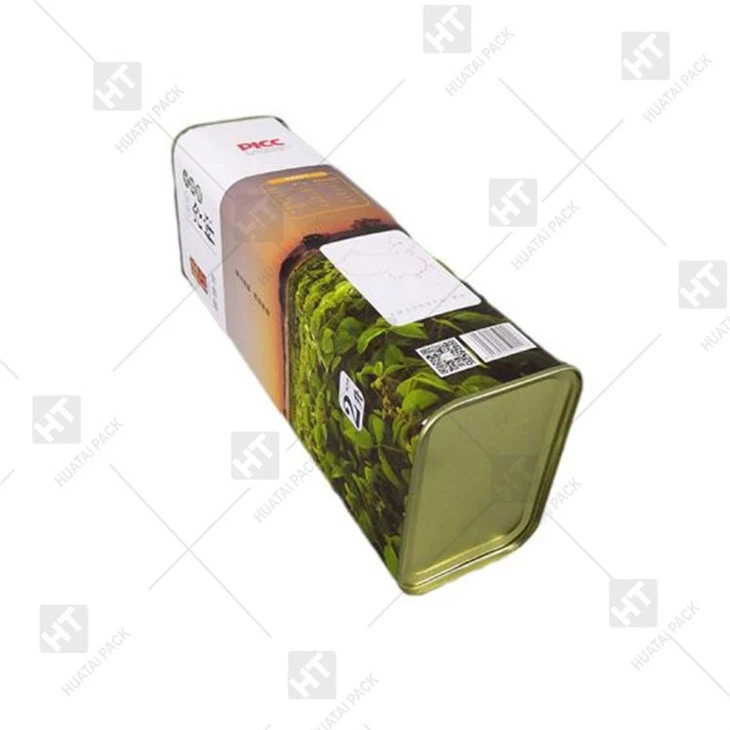
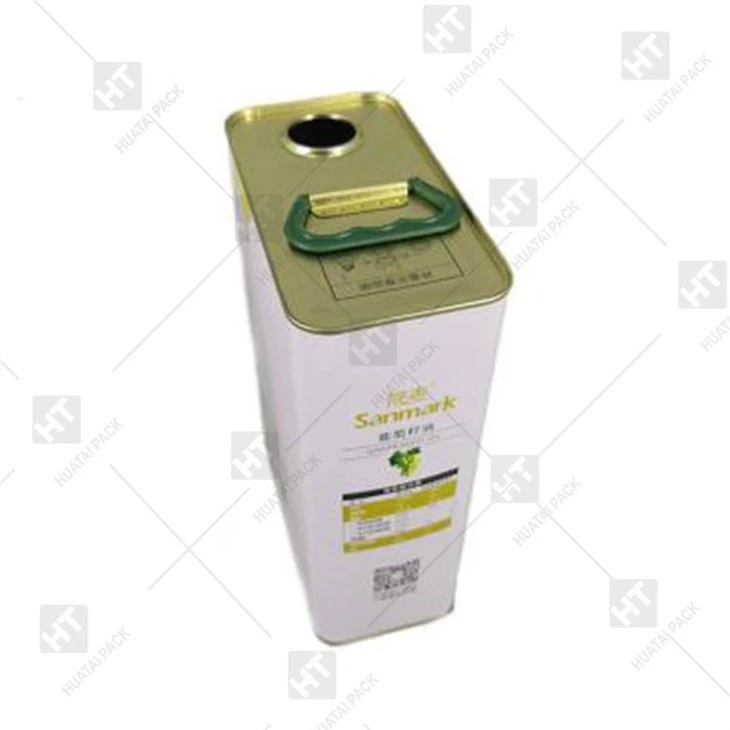
Secondly, accurate measurement helps with portion control. If you're watching your calorie intake or trying to maintain a healthy diet, knowing exactly how much olive oil you're using can make a big difference. Olive oil is high in calories, so it's important to use it in moderation.
Finally, accurate measurement is essential for business owners. If you're a restaurant or a food manufacturer, using the right amount of olive oil can help you control costs and maintain the quality of your products.
Tools You'll Need
To measure the amount of olive oil from a 5L can accurately, you'll need a few tools. Here's what you'll need:
- Measuring cups: You can use both liquid and dry measuring cups. Liquid measuring cups are typically made of glass or plastic and have a spout for easy pouring. Dry measuring cups are usually made of metal or plastic and come in different sizes.
- Measuring spoons: Measuring spoons are used for measuring small amounts of olive oil. They come in different sizes, including teaspoons and tablespoons.
- Graduated cylinder: A graduated cylinder is a tall, narrow container with markings on the side to indicate the volume of liquid. It's a more precise way to measure olive oil, especially if you need to measure small amounts.
- Scale: A scale is another option for measuring olive oil. You can weigh the olive oil in grams or ounces, which can be more accurate than using volume measurements.
Methods for Measuring Olive Oil
Now that you have the tools you need, let's talk about the different methods for measuring olive oil.
Method 1: Using Measuring Cups
This is the most common method for measuring olive oil. Here's how to do it:
- Pour the olive oil into a liquid measuring cup. Make sure the measuring cup is on a flat surface and at eye level.
- Read the measurement at the bottom of the meniscus, which is the curved surface of the liquid.
- If you need to measure a small amount of olive oil, you can use a dry measuring cup. Simply fill the measuring cup to the top and level it off with a straight edge.
Method 2: Using Measuring Spoons
Measuring spoons are great for measuring small amounts of olive oil, such as for salad dressings or marinades. Here's how to use them:
- Dip the measuring spoon into the olive oil and fill it to the brim.
- Level off the excess oil with a straight edge.
- Pour the olive oil into your recipe.
Method 3: Using a Graduated Cylinder
A graduated cylinder is a more precise way to measure olive oil, especially if you need to measure small amounts. Here's how to use it:
- Pour the olive oil into the graduated cylinder. Make sure the cylinder is on a flat surface and at eye level.
- Read the measurement at the bottom of the meniscus.
- Pour the olive oil into your recipe.
Method 4: Using a Scale
Using a scale is the most accurate way to measure olive oil, especially if you need to measure a specific weight. Here's how to use it:
- Place a container on the scale and tare it to zero.
- Pour the olive oil into the container until you reach the desired weight.
- Pour the olive oil into your recipe.
Tips for Accurate Measurement
Here are some tips to help you measure the amount of olive oil from a 5L can accurately:
- Use the right tool: Choose the tool that's appropriate for the amount of olive oil you need to measure. For example, if you need to measure a large amount of oil, use a measuring cup. If you need to measure a small amount, use a measuring spoon or a graduated cylinder.
- Read the measurement at eye level: This will help you get an accurate reading of the volume or weight of the olive oil.
- Level off the excess oil: When using measuring cups or spoons, make sure to level off the excess oil with a straight edge. This will ensure that you're using the right amount of oil.
- Use a clean container: Make sure the container you're using to measure the olive oil is clean and dry. Any residue or moisture can affect the accuracy of your measurement.
- Be consistent: Use the same method and tool every time you measure olive oil to ensure consistency in your cooking.
Conclusion
Measuring the amount of olive oil from a 5L can accurately is essential for consistent cooking, portion control, and cost management. By using the right tools and methods, you can ensure that you're using the right amount of olive oil every time.
If you're in the market for high-quality olive oil cans, we've got you covered. We offer a range of 1L Olive Oil Square Tin Can, 2L Olive Oil Can, and 3L Olive Oil Can to meet your needs. Our cans are made of high-quality materials and are designed to keep your olive oil fresh and flavorful.
If you're interested in learning more about our products or would like to place an order, please don't hesitate to reach out. We'd love to hear from you and help you find the perfect olive oil cans for your business.
References
- "Cooking Measurements and Conversions." The Spruce Eats.
- "How to Measure Ingredients." Food Network.