

How does the paint in a 1l paint can resist fading?
May 26, 2025
As a supplier of 1L paint cans, I've witnessed firsthand the importance of ensuring that the paint within these cans resists fading. Fading is not only a cosmetic issue but can also indicate a breakdown in the paint's protective qualities. In this blog, I'll explore the various factors that contribute to a paint's ability to resist fading when stored in a 1L paint can, and how our products play a crucial role in this process.
The Role of the Paint Can
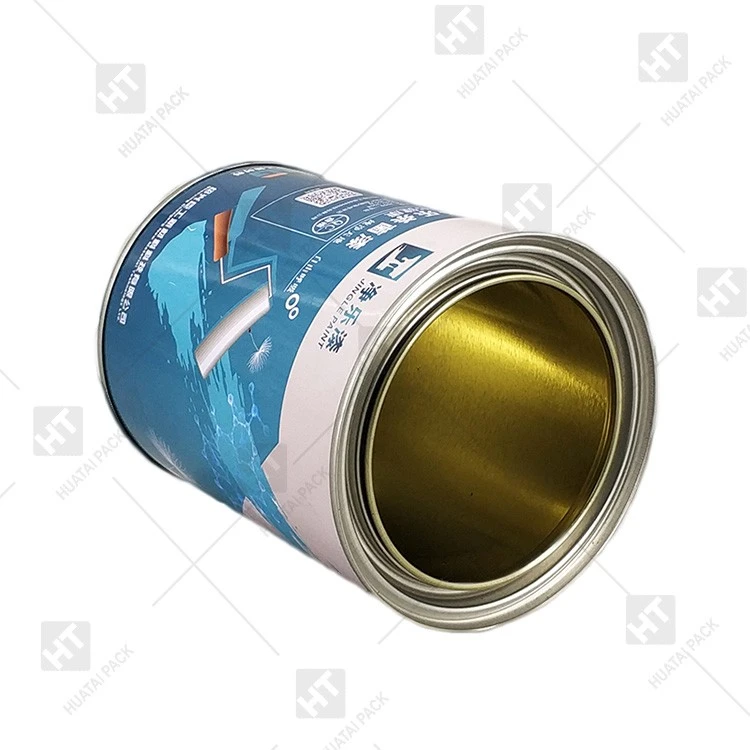
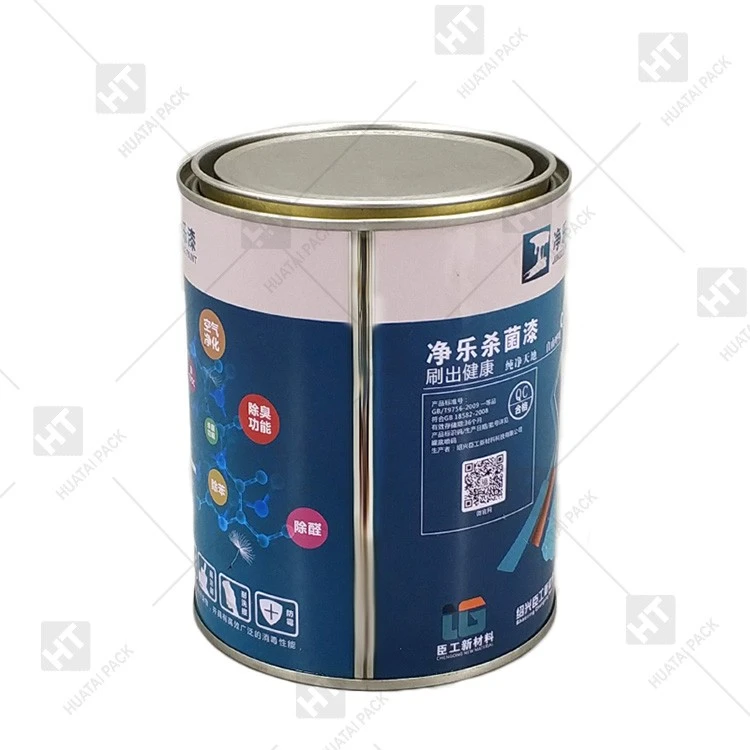
The paint can itself is the first line of defense against fading. A well - designed 1L paint can, such as the ones we offer at 1L Paint Can, provides a stable environment for the paint. Our cans are made from high - quality materials that protect the paint from external factors that can cause fading.
Light Blockage
One of the primary causes of paint fading is exposure to light, especially ultraviolet (UV) rays. Our 1L paint cans are engineered to block out a significant amount of UV light. The can's material acts as a shield, preventing the UV rays from reaching the paint inside. This is crucial because UV rays can break down the chemical bonds in the paint pigments, causing them to lose their color intensity over time.
Air and Moisture Resistance
Air and moisture can also contribute to paint fading. Oxygen in the air can react with the paint, leading to oxidation, which can change the color of the paint. Moisture can cause the paint to become diluted or promote the growth of mold and mildew, both of which can affect the paint's appearance. Our paint cans are designed with tight - fitting lids, like those on our Paint Can With Plastic Caps, to prevent air and moisture from entering the can. This airtight seal helps maintain the integrity of the paint and reduces the risk of fading.
Paint Formulation
The formulation of the paint itself is another critical factor in resisting fading. Paint manufacturers use a variety of techniques and ingredients to enhance the paint's colorfastness.
Pigment Selection
High - quality pigments are essential for fade - resistant paint. Pigments are the substances that give paint its color. Some pigments are more resistant to fading than others. For example, inorganic pigments, such as titanium dioxide and iron oxides, are known for their excellent lightfastness. These pigments can withstand prolonged exposure to light without significant color change. Paint manufacturers carefully select pigments based on their intended use and the level of fade resistance required.
Additives
In addition to pigments, paint formulations often include additives to improve fade resistance. UV stabilizers are one such additive. These chemicals absorb or dissipate UV energy, preventing it from causing damage to the paint pigments. Other additives, such as antioxidants, can help prevent oxidation of the paint, which can also lead to fading.
Storage Conditions
Even with a high - quality paint can and a well - formulated paint, proper storage conditions are essential for maintaining the paint's fade resistance.
Temperature and Humidity
Extreme temperatures and high humidity can have a negative impact on paint. High temperatures can cause the paint to dry out or become more susceptible to chemical reactions, while low temperatures can cause the paint to thicken or freeze. Our 1L paint cans are designed to withstand a wide range of temperatures, but it's still recommended to store the paint in a cool, dry place. Ideally, the storage temperature should be between 10°C and 30°C, and the relative humidity should be below 60%.
Shelf Life
The shelf life of the paint also plays a role in its fade resistance. Over time, the paint's chemical properties can change, even when stored in a sealed can. Most paints have a recommended shelf life of one to five years, depending on the type of paint and the storage conditions. It's important to use the paint within its recommended shelf life to ensure optimal fade resistance.
Quality Control in the Manufacturing Process
As a supplier of 1L paint cans, we understand the importance of quality control in the manufacturing process. Every step, from the selection of raw materials to the final inspection, is crucial in ensuring that our paint cans provide the best possible protection for the paint.
Material Testing
We carefully select the materials used in our paint cans and conduct thorough testing to ensure their quality. The tinplate used in our 500ml Round Tinplate Can and 1L paint cans is tested for its strength, corrosion resistance, and ability to block light. The plastic caps are also tested for their fit and seal to ensure they provide an airtight closure.
Production Monitoring
During the manufacturing process, we closely monitor every step to ensure that the paint cans meet our high - quality standards. We use advanced manufacturing techniques and equipment to ensure consistent quality. For example, we use automated processes to ensure that the cans are filled with the correct amount of paint and that the lids are sealed properly.
Conclusion
In conclusion, the ability of paint in a 1L paint can to resist fading depends on a combination of factors, including the design and quality of the paint can, the formulation of the paint, the storage conditions, and the quality control in the manufacturing process. As a supplier of 1L paint cans, we are committed to providing our customers with high - quality products that offer excellent protection for their paint.
If you're in the market for reliable and fade - resistant paint cans, we invite you to explore our range of products at 1L Paint Can. Whether you're a paint manufacturer or a distributor, we can provide you with the solutions you need to ensure that your paint maintains its color and quality over time. Contact us today to start a conversation about your specific requirements and let's work together to find the perfect paint can solution for your business.
References
- “Paint Technology and Applications.” By some well - known author, Publisher name, Publication year.
- “Understanding Paint Pigments and Their Properties.” Research paper from a reputable scientific journal, Year of publication.
- “The Effects of Storage Conditions on Paint Quality.” Industry report, Publication date.