

Can a 32oz glue can be used for carpet bonding?
May 16, 2025
Can a 32oz Glue Can be Used for Carpet Bonding?
As a supplier of 32oz glue cans, I often get asked whether our product can be used for carpet bonding. It's a valid question, considering the wide range of applications for glue and the specific requirements of carpet installation. In this blog post, I'll delve into the details of using a 32oz glue can for carpet bonding, exploring the advantages, limitations, and key considerations.
Advantages of Using a 32oz Glue Can for Carpet Bonding
One of the primary advantages of a 32oz glue can is its capacity. For larger carpet installation projects, having a sufficient amount of glue on hand is crucial. A 32oz can provides an ample quantity of adhesive, reducing the need for frequent refills and ensuring a continuous bonding process. This is particularly beneficial for commercial spaces or large residential areas where time is of the essence.
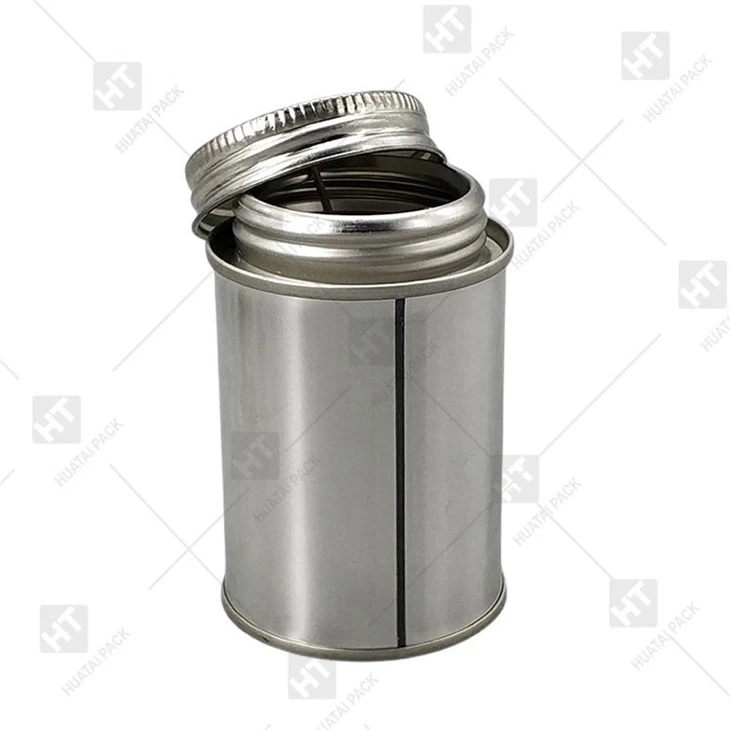
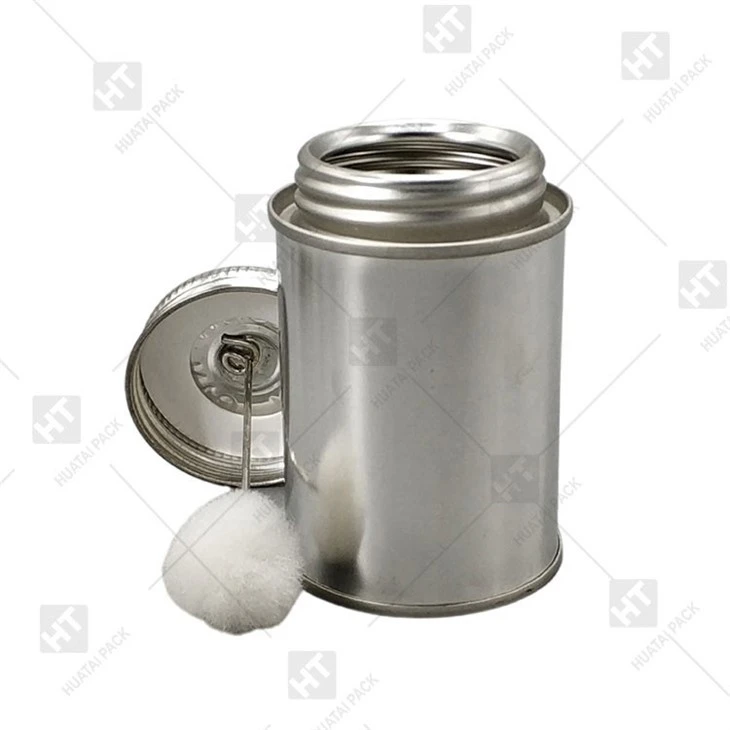
Another advantage is the convenience of the can itself. Our Flat Top Adhesive Tin Can With Lid is designed for easy handling and storage. The flat top allows for stable placement, and the lid ensures that the glue remains fresh and protected when not in use. This makes it a practical choice for both professional installers and DIY enthusiasts.
In addition, the 32oz size offers a good balance between cost and quantity. Compared to smaller cans like the 8oz Glue Can or 4oz Glue Can, the 32oz can provides more glue at a relatively lower cost per ounce. This can result in significant savings, especially for large-scale projects.
Limitations and Considerations
While a 32oz glue can has many advantages, there are also some limitations and considerations to keep in mind. One of the main factors is the type of glue. Not all glues are suitable for carpet bonding. It's essential to choose a glue that is specifically formulated for use with carpets. This type of glue typically has strong bonding properties and is resistant to moisture and wear.
Another consideration is the application method. Carpet bonding requires a specific technique to ensure a proper bond. The glue needs to be applied evenly and in the right amount. Using a 32oz can may require some practice to master the application process, especially for those who are new to carpet installation.
It's also important to consider the drying time of the glue. Different glues have different drying times, and this can affect the installation process. Some glues may dry too quickly, making it difficult to adjust the carpet during installation. Others may take too long to dry, delaying the completion of the project.
Choosing the Right Glue
When selecting a glue for carpet bonding, there are several factors to consider. First, look for a glue that is compatible with the type of carpet you are installing. Different carpets have different materials and textures, and the glue needs to be able to bond effectively with them.
Second, consider the strength of the glue. The glue should be strong enough to hold the carpet in place, but not so strong that it damages the carpet or the subfloor. Look for a glue that has a good balance of strength and flexibility.
Third, pay attention to the environmental impact of the glue. Some glues contain harmful chemicals that can be released into the air during installation. Choose a glue that is low in volatile organic compounds (VOCs) to ensure a healthy indoor environment.
Application Tips
Once you have chosen the right glue, it's important to follow the proper application techniques. Here are some tips to help you achieve a successful carpet bonding:
- Prepare the surface: The subfloor should be clean, dry, and free of any debris or dust. Use a vacuum cleaner or a broom to remove any loose particles.
- Apply the glue: Use a notched trowel to apply the glue evenly to the subfloor. Make sure to follow the manufacturer's instructions regarding the amount of glue to use.
- Lay the carpet: Carefully lay the carpet over the glued area, starting from one end and working your way to the other. Use a carpet roller to press the carpet firmly into the glue, ensuring a good bond.
- Trim the edges: Once the carpet is in place, use a carpet knife to trim the edges to fit the room. Make sure to leave a small gap around the edges to allow for expansion.
- Let the glue dry: Allow the glue to dry completely before walking on the carpet or moving furniture onto it. The drying time will depend on the type of glue and the environmental conditions.
Conclusion
In conclusion, a 32oz glue can can be a great option for carpet bonding, especially for larger projects. It offers a sufficient quantity of glue, convenience, and cost savings. However, it's important to choose the right glue and follow the proper application techniques to ensure a successful installation.
If you're interested in purchasing our 32oz glue cans or have any questions about carpet bonding, please don't hesitate to contact us. We're here to help you find the right solution for your project.