

Is the glue in a 32oz can flammable?
May 16, 2025
Hey there! As a supplier of 32oz glue cans, I often get asked a super important question: "Is the glue in a 32oz can flammable?" It's a legit concern, especially when safety's on the line. So, let's dive right in and figure this out together.
First off, not all glues are created equal. Some glues are water - based, and these are generally not flammable. Water - based glues use water as a solvent, and as we all know, water doesn't catch fire easily. They're made by mixing polymers with water, and they're pretty safe to use in most environments. These types of glues are commonly used in household projects, like sticking paper or fabric together. You can even use them around kids without worrying too much about fire hazards.
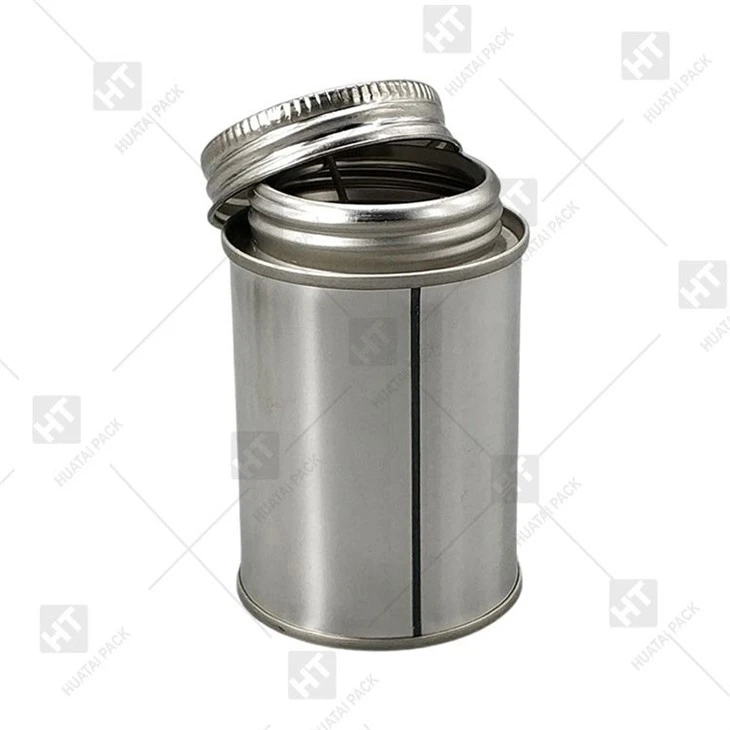
On the other hand, solvent - based glues are a different story. These glues use solvents like acetone, toluene, or other volatile organic compounds (VOCs). These solvents are highly flammable. When the glue is applied, the solvent evaporates, leaving behind the adhesive. But during the evaporation process, the fumes can form an explosive mixture with air. If there's a spark or an open flame nearby, it can lead to a fire or even an explosion. Solvent - based glues are often used in industrial applications, like bonding plastics or metals, where a strong and fast - drying bond is required.
So, when it comes to our 32oz glue cans, it depends on what kind of glue is inside. If it's a water - based glue, you're in the clear. You can store it in your garage or use it in your workshop without having to worry about it catching fire. But if it's a solvent - based glue, you need to take some extra precautions.
Let's talk about storage. If you have a 32oz can of solvent - based glue, you should store it in a cool, dry place away from heat sources and open flames. A well - ventilated storage area is also crucial because it helps to disperse any fumes that might build up. You don't want to store it in direct sunlight or near a heater, as the heat can cause the solvent to evaporate more quickly and increase the risk of a fire.
When it comes to using the glue, make sure you're in a well - ventilated area. If you're working indoors, open the windows and use a fan to blow the fumes out. And of course, keep any sources of ignition far away. That means no smoking, no welding, and no using electrical equipment that could create a spark.
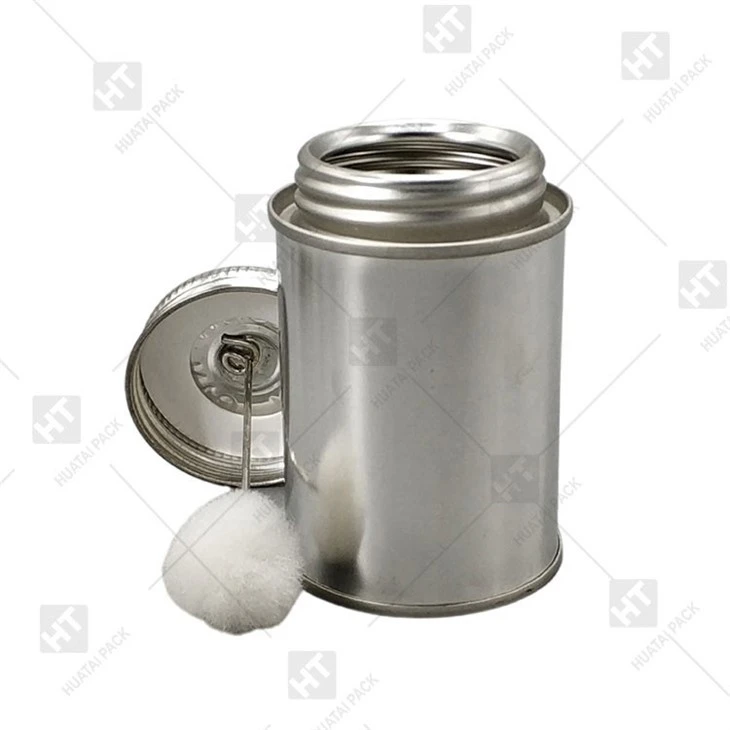
Now, I know some of you might be wondering about the different sizes of glue cans we offer. We also have 8oz Glue Can and 4oz Glue Can. These smaller sizes are great for small - scale projects or for those who don't need a large amount of glue. And we also have the 16oz Pvc Can With Cap, which is a popular choice for medium - sized jobs.
Whether you're a DIY enthusiast or a professional in the industry, it's important to know the properties of the glue you're using. Reading the label on the can is a must. The label will tell you if the glue is flammable, what kind of solvents it contains, and what safety precautions you need to take.
We're committed to providing high - quality glue cans, and we always make sure to include all the necessary safety information on our products. But it's also your responsibility to use the glue safely. If you have any questions about the flammability of our glues or how to use them properly, don't hesitate to reach out.
If you're interested in purchasing our 32oz glue cans or any of our other products, we're here to help. We can offer you great deals and provide all the support you need. Whether you're buying for a one - time project or for regular use in your business, we've got you covered. Just get in touch with us to start the procurement negotiation process.
In conclusion, the flammability of the glue in a 32oz can depends on the type of glue. Water - based glues are generally non - flammable, while solvent - based glues are flammable and require extra safety measures. By being informed and taking the right precautions, you can use our glue safely and effectively.
References
- "Handbook of Adhesives", Third Edition, edited by Irving Skeist.
- Safety Data Sheets provided by glue manufacturers.