

How long can oil be stored in industrial oil cans?
May 16, 2025
When it comes to industrial oil cans, one of the most frequently asked questions is, "How long can oil be stored in industrial oil cans?" As a leading supplier of high - quality industrial oil cans, I'm here to share in - depth knowledge on this topic.
Factors Affecting Oil Storage Duration in Industrial Oil Cans
1. Type of Oil
Different types of oils have different shelf lives. For instance, mineral oils, which are derived from crude oil, generally have a shelf life of about 3 to 5 years when stored properly. These oils are widely used in various industrial applications due to their relatively low cost. On the other hand, synthetic oils, which are chemically engineered, can have a much longer shelf life, often up to 7 years or more. Synthetic oils are known for their superior performance in extreme temperatures and under heavy loads. Bio - based oils, made from renewable resources like vegetable oils, have a shorter shelf life, usually around 1 to 2 years, as they are more prone to oxidation and microbial growth.
2. Quality of the Industrial Oil Can
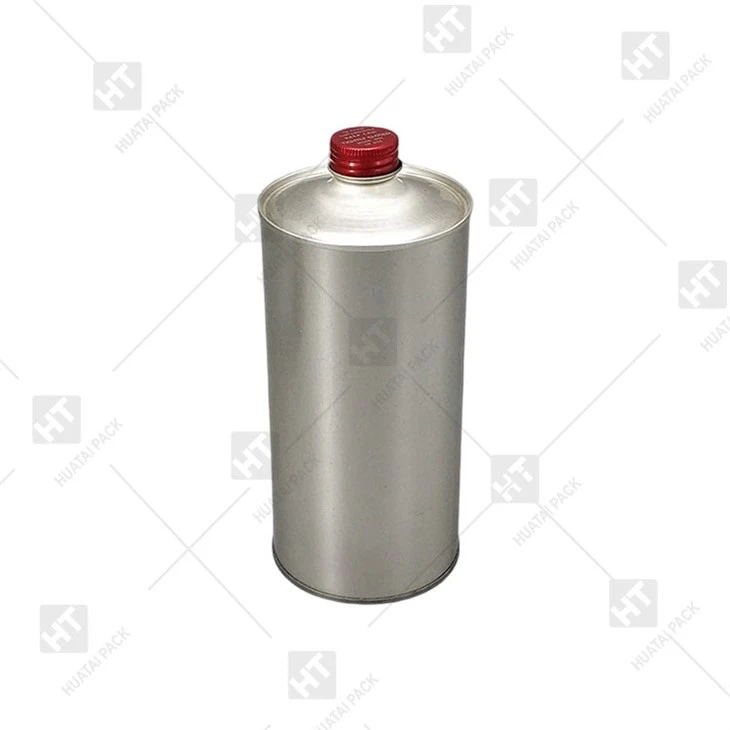
The quality of the industrial oil can plays a crucial role in determining how long the oil can be stored. A well - made can provides a barrier against oxygen, moisture, and contaminants. At our company, we offer a wide range of high - quality industrial oil cans, such as the [1L Engine Oil Round Tin Can](/industrial - oil - cans/1l - engine - oil - round - tin - can.html). This can is made from high - grade tinplate, which has excellent corrosion resistance. The tight - fitting lid prevents oxygen and moisture from entering the can, thus preserving the oil for a longer period.
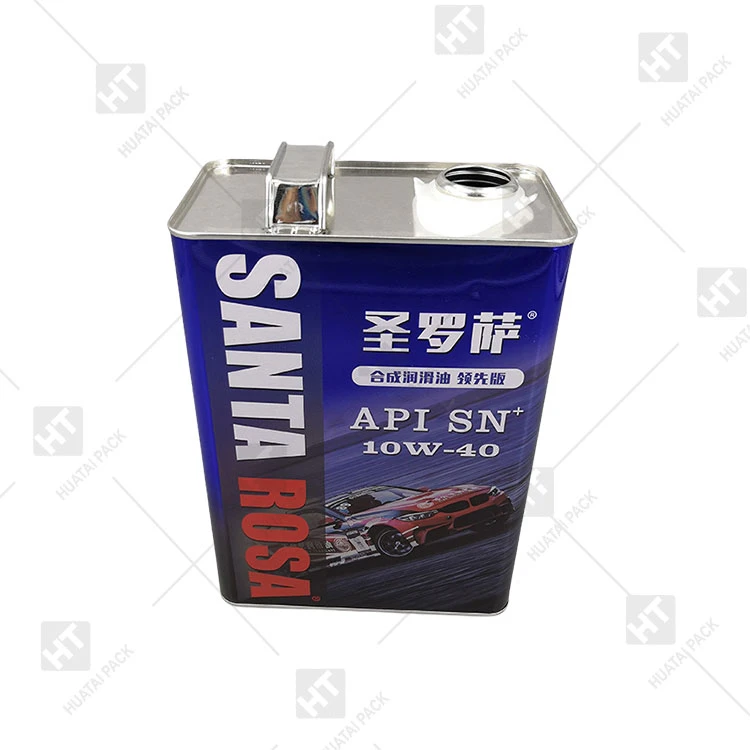
Another option is the [Square Engine Oil Can](/industrial - oil - cans/square - engine - oil - can.html). Its square design allows for efficient storage and stacking. The can is also coated with a special layer to protect the oil from light, which can accelerate the oxidation process.
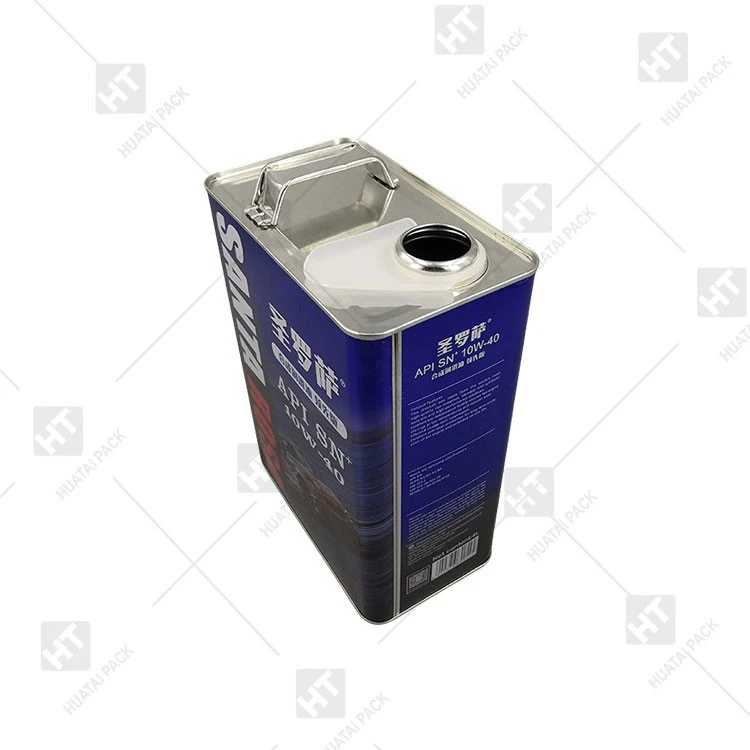
The [Engine Oil Can With Metal Handle And Metal Cap](/industrial - oil - cans/engine - oil - can - with - metal - handle - and - metal.html) is also a popular choice. The metal handle makes it easy to carry, and the metal cap provides a secure seal. The robust construction of this can ensures that the oil remains protected during storage and transportation.
3. Storage Conditions
Storage conditions are perhaps the most important factor affecting the storage duration of oil in industrial oil cans. Temperature is a critical parameter. Oil should be stored in a cool, dry place. High temperatures can accelerate the oxidation process of the oil, leading to a shorter shelf life. Ideally, the storage temperature should be between 10°C and 30°C.
Exposure to light can also degrade the oil. Ultraviolet light can break down the chemical structure of the oil, causing it to lose its lubricating properties. Therefore, oil cans should be stored in a dark place or in containers that block out light.
Humidity is another concern. Moisture can cause rusting of the can and also lead to the growth of microorganisms in the oil. A low - humidity environment is essential for long - term oil storage.
Signs of Oil Degradation
Even when stored in the best - quality industrial oil cans under optimal conditions, oil can still degrade over time. Here are some signs to look out for:
1. Change in Color
Fresh oil usually has a clear and consistent color. As it degrades, the color may darken. For example, a light - colored engine oil may turn brown or black. This change in color indicates the presence of oxidation products and contaminants in the oil.
2. Change in Viscosity
The viscosity of oil is an important property that affects its lubricating ability. Degraded oil may become thicker or thinner than its original state. If the oil has become too thick, it may not flow properly through the engine or machinery, leading to increased friction and wear. If it has become too thin, it may not provide sufficient lubrication.
3. Presence of Sediments
Over time, sediments may form at the bottom of the oil can. These sediments can be a result of oxidation, contamination, or the breakdown of additives in the oil. The presence of sediments is a clear sign that the oil has started to degrade.
Maximizing Oil Storage Duration
To maximize the storage duration of oil in industrial oil cans, here are some best practices:
1. Choose the Right Can
As mentioned earlier, selecting a high - quality industrial oil can is essential. Consider the type of oil you are storing and choose a can that provides the best protection against oxygen, moisture, and light.
2. Seal the Can Properly
Make sure the can is tightly sealed after each use. A loose - fitting lid can allow oxygen and moisture to enter the can, accelerating the degradation process.
3. Follow Storage Guidelines
Store the oil cans in a cool, dry, and dark place. Avoid storing them near sources of heat, such as boilers or furnaces, and away from direct sunlight.
4. Rotate Stock
If you have a large inventory of oil cans, practice first - in, first - out (FIFO) inventory management. Use the oldest cans first to ensure that the oil is used before it degrades.
Importance of Proper Oil Storage
Proper oil storage is not only important for maintaining the quality of the oil but also for ensuring the safety and efficiency of the equipment that uses the oil. Degraded oil can cause increased wear and tear on machinery, leading to breakdowns and costly repairs. It can also reduce the energy efficiency of the equipment, resulting in higher operating costs.
In addition, using degraded oil can have environmental implications. When oil is not stored properly and degrades, it may release harmful substances into the environment when it is disposed of. By storing oil correctly in high - quality industrial oil cans, we can minimize these risks and contribute to a more sustainable future.
Conclusion
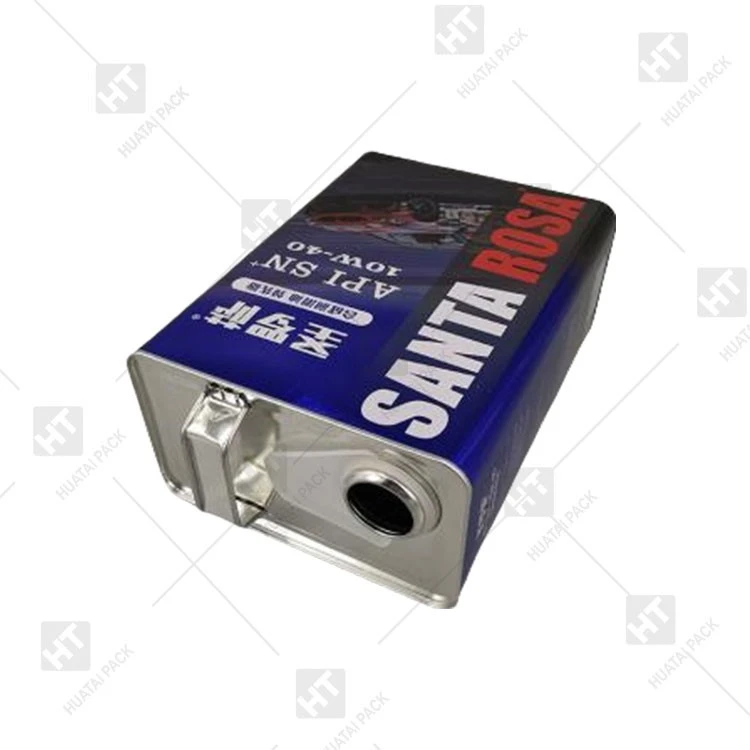
In conclusion, the storage duration of oil in industrial oil cans depends on several factors, including the type of oil, the quality of the can, and the storage conditions. By choosing the right industrial oil can, such as the ones we offer at our company (like the [1L Engine Oil Round Tin Can](/industrial - oil - cans/1l - engine - oil - round - tin - can.html), [Square Engine Oil Can](/industrial - oil - cans/square - engine - oil - can.html), and [Engine Oil Can With Metal Handle And Metal Cap](/industrial - oil - cans/engine - oil - can - with - metal - handle - and - metal.html)), and following proper storage practices, you can extend the shelf life of the oil and ensure its optimal performance.
If you are in the market for high - quality industrial oil cans, we would be more than happy to assist you. Whether you need small - sized cans for retail packaging or large - volume cans for industrial storage, we have a solution to meet your needs. Contact us to start a discussion about your specific requirements and explore the best options for your business.
References
- ASTM International. (2022). Standard Practice for Storage of Lubricants, Liquid Fuels, and Related Products. ASTM D4054.
- Machinery Lubrication. (2023). Understanding Oil Shelf Life.
- Shell Global. (2023). Storage and Handling of Lubricants.