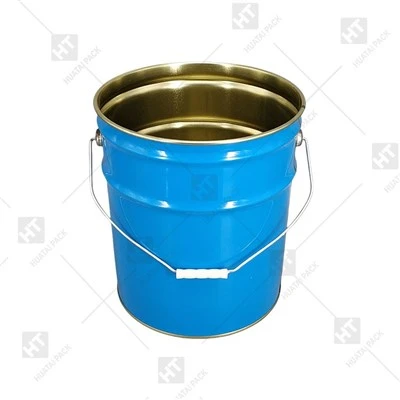


What factors affect the thickness of paint cans?
Jul 24, 2026
1. Can Design and Usage Scenarios
The characteristics of the storage medium are a core influencing factor: Cans storing highly corrosive, high-viscosity, or flammable and explosive paints will have a significantly thicker design than ordinary water-based paint storage tanks; pressure-type paint cans for pressurized spraying operations will have a much thicker wall than atmospheric pressure storage tanks to meet pressure requirements.
2. Material and Manufacturing Process
Different materials have different basic mechanical properties: Under the same pressure requirements, stainless steel cans will be designed to be thinner than ordinary tinplate cans; the rolling precision of the steel plates and the stamping and stretching processes during production will also affect the actual wall thickness uniformity of the finished cans; cans with poor manufacturing processes are prone to localized thinner areas.
3. Compliance and Safety Standards
Paint cans for hazardous chemical packaging must meet the minimum wall thickness requirements of relevant national safety regulations. These cans will be thicker than ordinary civilian dispensing tanks to pass mandatory tests for pressure resistance and impact resistance.
4. Usage and Transportation Requirements
Industrial paint cans that require long-distance transportation and multi-layer stacking are designed to be thicker than small-capacity sample cans used only for short-term indoor repackaging to prevent deformation from stacking and damage from impacts, ensuring safety during transportation and storage.