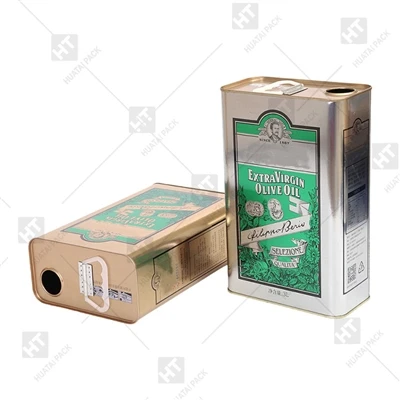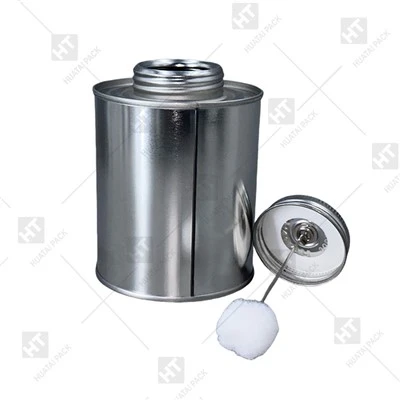


How to check the tightness of olive oil cans?
Feb 24, 2025
1. Visual inspection
Visual inspection is the first step of the tightness test, which is simple but effective:
Check the can body and lid: Make sure there are no cracks, dents, or damage to the can body and lid.
Check the seal: If the can have a rubber seal, check for signs of wear, agin,g or deformation.
2. Water test
The water test is a simple and intuitive method that works for most olive oil cans:
Prepare water: Fill the can with water, making sure the water covers the top of the can.
Seal and invert: Screw the lid tightly, then turn the can upside down and keep it for a while.
Check for leaks: If water does not leak from the edge of the can or the lid, it means that the seal is good.
3. Pressure test
The pressure test can more accurately evaluate the sealing performance of the sealed can:
Prepare the vacuum pump: Use a vacuum pump or a manual vacuum pump to extract the air in the can to create a low-pressure environment.
Observe changes: If the can is well sealed, the can should maintain its shape during the vacuuming process without deformation or cracking.
Check for leaks: If there is air leakage from the edge of the jar or the lid during the vacuuming process, it means there is a problem with the seal.
4. Bubble test
The bubble test uses the difference in water and air pressure to test the seal:
Prepare water and air: Fill the jar with water and tighten the lid.
Invert and observe: Turn the jar upside down and observe if bubbles are escaping from the edge of the jar or the lid. If bubbles are escaping, it means the seal is not good enough.
Upright and observe: Turn the jar upright and observe again if bubbles are escaping.
5. Smoke test
The smoke test is a visual method suitable for detecting small leaks:
Prepare smoke: Use a smoke generator or light incense to generate smoke.
Seal the jar: Seal the jar and blow smoke into the jar.
Observe the smoke. If smoke gathers inside the jar and does not escape from the edge of the lid, the seal is good.
6. Professional equipment testing
For occasions that require high-precision testing, professional sealing testing equipment can be used:
Use a sealing tester: These devices can accurately measure the pressure difference between the inside and outside of the jar to evaluate the sealing.
Follow the operating procedures: When using these devices, be sure to follow the operating guidelines provided by the manufacturer to ensure the accuracy of the test results.
7. Regular inspection
Even if the olive oil can pass the initial test, regular inspection is necessary:
Regular inspection: To ensure that the sealed cans' sealing is still good, perform the above tests on them regularly.
Replace the seal: If it shows signs of wear or aging, replace it with a new seal as soon as possible.