

What tools are needed to use an adhesive can on PVC?
Sep 19, 2025
When it comes to working with PVC (Polyvinyl Chloride) materials, using an adhesive can is a common and effective way to bond PVC pieces together. However, to ensure a successful and efficient process, you need the right tools. As a PVC and adhesive can supplier, I'm here to share with you the essential tools required to use an adhesive can on PVC.
Protective Gear
Before you even start using the adhesive can, your safety should be the top priority. PVC adhesives often contain chemicals that can be harmful if they come into contact with your skin, eyes, or if you inhale their fumes. Therefore, the following protective gear is a must:
- Gloves: Chemical - resistant gloves are essential. They protect your hands from direct contact with the adhesive, preventing skin irritation, burns, or allergic reactions. Nitrile gloves are a popular choice as they offer good resistance to a wide range of chemicals, including PVC adhesives. You can easily find these gloves at any hardware store.
- Safety Goggles: These protect your eyes from accidental splashes of the adhesive. PVC adhesive can cause serious eye damage, so wearing safety goggles is non - negotiable. Make sure the goggles fit well and provide full coverage around your eyes.
- Respirator: Many PVC adhesives emit strong fumes that can be harmful when inhaled. A respirator with appropriate filters can protect your lungs from these toxic fumes. Look for a respirator that is rated for organic vapors, as PVC adhesives often contain volatile organic compounds (VOCs).
Surface Preparation Tools
Proper surface preparation is crucial for a strong bond between PVC pieces. The following tools are used for this purpose:
- Sandpaper: Different grits of sandpaper can be used to roughen the PVC surface. A medium - grit sandpaper (around 120 - 180 grit) is usually a good starting point. Sanding the PVC surface increases the surface area for the adhesive to bond to, resulting in a stronger connection. After sanding, wipe away any dust with a clean, dry cloth.
- Cleaning Cloths: You'll need clean, lint - free cloths to wipe down the PVC surfaces before applying the adhesive. These cloths can be used to remove dirt, grease, and dust from the surface. You can also use a mild solvent, such as isopropyl alcohol, on the cloth to clean the PVC more effectively. Just make sure the PVC is completely dry before applying the adhesive.
Adhesive Application Tools
Once the PVC surfaces are prepared, you need the right tools to apply the adhesive from the can:
- Brush: A high - quality brush is essential for applying the adhesive evenly on the PVC surface. The brush should have synthetic bristles that are resistant to the chemicals in the adhesive. The size of the brush depends on the size of the PVC pieces you are working with. For smaller joints, a narrow - tipped brush may be more appropriate, while a wider brush can be used for larger surfaces.
- Applicator Nozzle: Some adhesive cans come with an applicator nozzle. This nozzle allows for more precise application of the adhesive, especially in hard - to - reach areas or for smaller joints. If your adhesive can doesn't come with a nozzle, you can purchase one separately.
Clamping and Holding Tools
After applying the adhesive, you need to hold the PVC pieces together until the adhesive dries and cures. The following tools can be used for this purpose:
- C Clamps: C clamps are versatile tools that can be used to hold PVC pieces firmly together. They come in different sizes, so you can choose the appropriate size based on the size of the PVC pieces. Make sure not to overtighten the clamps, as this can cause the adhesive to squeeze out too much and create a messy joint.
- Tape: Masking tape or duct tape can be used to hold small PVC pieces together temporarily. It's a quick and easy way to keep the pieces in place while the adhesive starts to set. However, tape may not provide as much pressure as clamps, so it's more suitable for smaller or less - critical joints.
Types of Adhesive Cans We Offer
As a PVC and adhesive can supplier, we offer a variety of adhesive cans to meet your different needs.
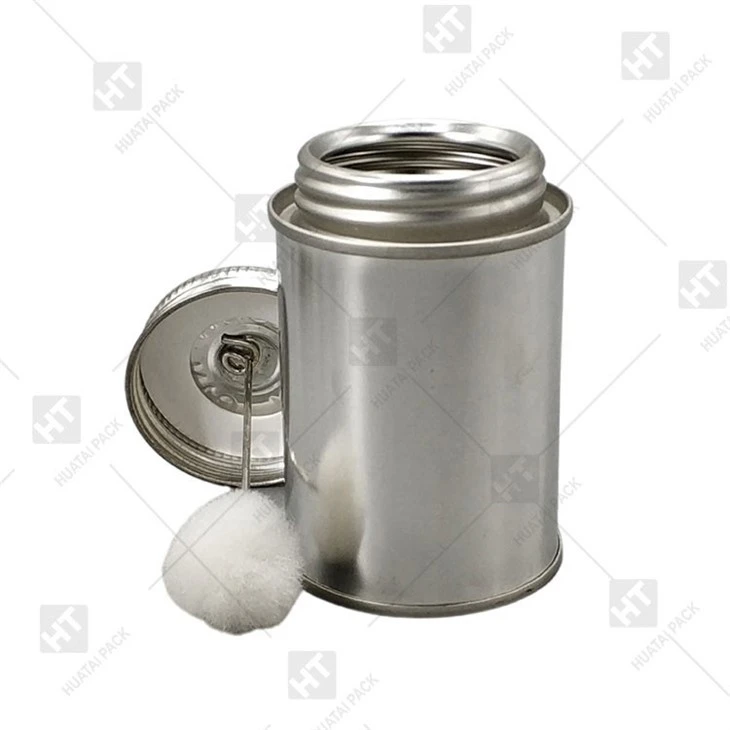
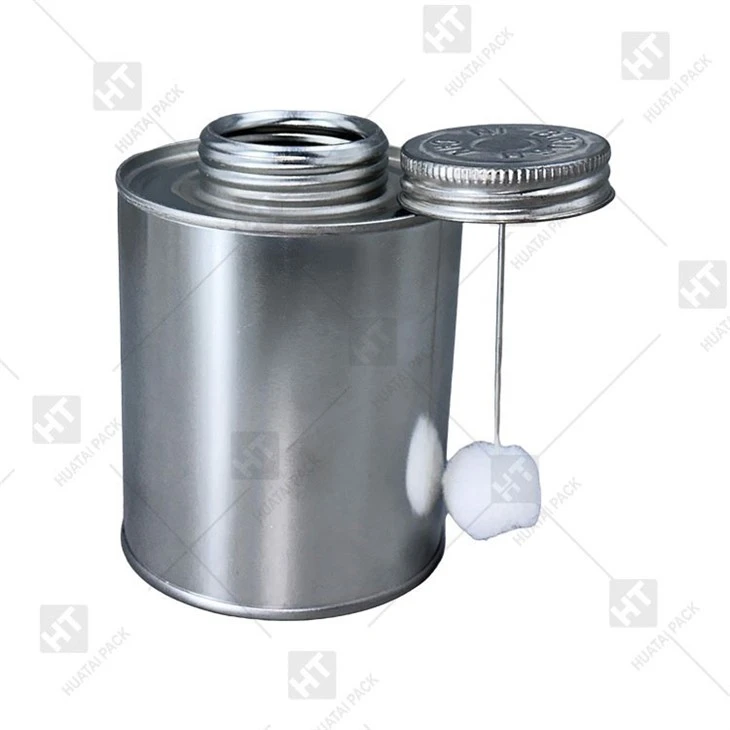
- 8oz Pvc Can With Cap: This is a great option for small - scale projects. The 8 - ounce size is convenient to handle, and the cap ensures that the adhesive stays fresh when not in use.
- 8oz Glue Can: Similar to the 8oz PVC can, but specifically designed for glue. It's perfect for bonding PVC pieces in a variety of applications.
- 16oz Glue Can: If you have larger projects, the 16 - ounce glue can is a better choice. It provides more adhesive, so you don't have to refill the can as often.
Contact Us for Your Purchase
Whether you're a DIY enthusiast or a professional contractor, having the right tools and adhesive cans is essential for your PVC projects. We are committed to providing high - quality PVC products and adhesive cans to meet your needs. If you're interested in purchasing our products or have any questions about using adhesive cans on PVC, please feel free to contact us. We look forward to discussing your requirements and helping you find the best solutions for your projects.
References
- "PVC Pipe and Fittings Installation Guide". Plumbing Manufacturers International.
- "Safety Guidelines for Working with Chemical Adhesives". Occupational Safety and Health Administration (OSHA).