

What is the water - resistance of an adhesive can on PVC?
Sep 19, 2025
As a dedicated supplier of PVC and adhesive cans, I've witnessed firsthand the crucial role that water - resistance plays in the performance of adhesive cans used with PVC materials. In this blog, I'll delve into the concept of water - resistance of adhesive cans on PVC, exploring its importance, influencing factors, and how our products meet these requirements.
The Significance of Water - Resistance in Adhesive Cans for PVC
PVC, or polyvinyl chloride, is a versatile plastic material widely used in various industries, including construction, plumbing, and automotive. Adhesive cans are often used to store and apply adhesives that bond PVC components together. Water - resistance is of utmost importance in this context for several reasons.
First and foremost, in many applications, PVC structures are exposed to moisture. For example, in plumbing systems, PVC pipes are constantly in contact with water. If the adhesive can and the adhesive it contains are not water - resistant, the adhesive may degrade over time due to water penetration. This can lead to weakened bonds between PVC components, resulting in leaks, structural failures, and costly repairs.
In outdoor construction projects, PVC materials and their adhesives are exposed to rain, humidity, and even snow. Without proper water - resistance, the adhesive can rust or corrode, and the adhesive may lose its effectiveness. This not only compromises the integrity of the PVC structure but also shortens its lifespan.
Moreover, in some industrial settings, PVC products may come into contact with chemical - laden water or other liquids. A water - resistant adhesive can and adhesive can provide a barrier against these potentially corrosive substances, ensuring the long - term stability of the PVC joints.
Factors Affecting the Water - Resistance of Adhesive Cans on PVC
Several factors contribute to the water - resistance of adhesive cans when used with PVC.
Material of the Adhesive Can
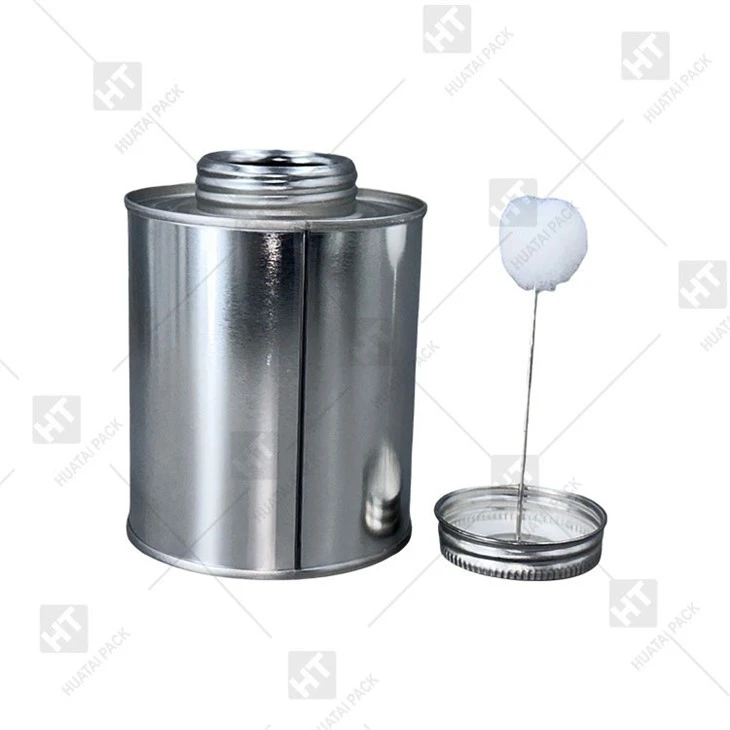
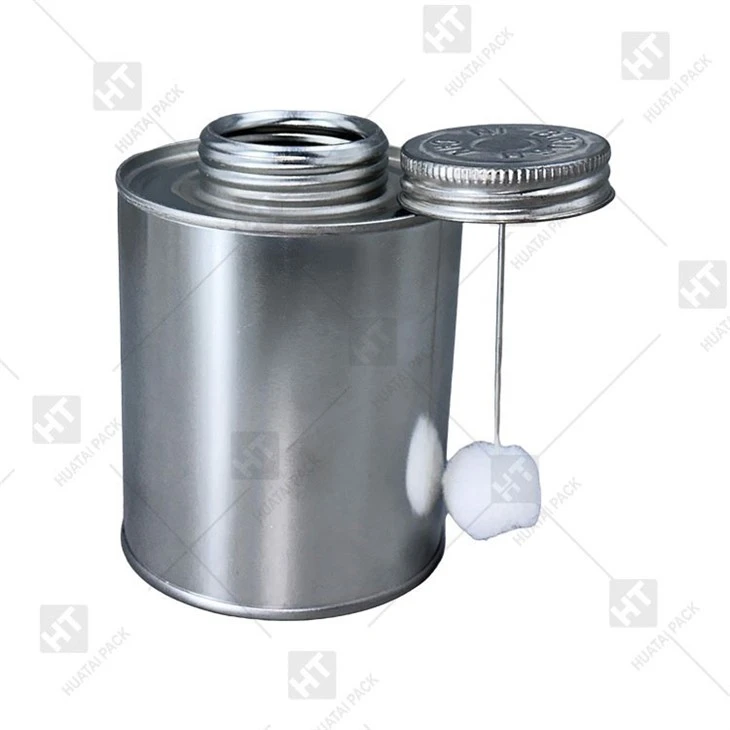
The material of the adhesive can itself is a primary factor. We offer a range of adhesive cans made from high - quality materials. For instance, our 32oz Pvc Can With Cap is crafted from a special type of plastic that is inherently resistant to water. This plastic has a dense molecular structure that prevents water molecules from permeating through the can walls. Similarly, our 16oz Glue Can and 8oz Pvc Can With Cap are also made from materials selected for their water - resistant properties.
Sealing Mechanism
A proper sealing mechanism is essential for maintaining the water - resistance of the adhesive can. Our adhesive cans are equipped with well - designed caps that create a tight seal. This seal prevents water from entering the can and coming into contact with the adhesive. The caps are engineered to fit snugly onto the can, and some even have additional gaskets or O - rings to enhance the seal. This ensures that the adhesive remains protected from water during storage and transportation.
Type of Adhesive
The type of adhesive stored in the can also affects the overall water - resistance. We offer a variety of adhesives that are formulated to be water - resistant. These adhesives are designed to bond strongly with PVC materials even in the presence of water. They form a durable, waterproof bond that can withstand long - term exposure to moisture. Some of our adhesives contain special additives that enhance their water - resistance, such as hydrophobic polymers that repel water.
Surface Preparation
The surface preparation of the PVC before applying the adhesive also plays a role in water - resistance. If the PVC surface is dirty, greasy, or has contaminants, the adhesive may not bond properly, and water can seep in through the gaps. We recommend cleaning the PVC surface thoroughly with a suitable cleaner before applying the adhesive. This ensures a strong and water - tight bond between the PVC components.
How Our Products Ensure Water - Resistance
Our company is committed to providing high - quality PVC and adhesive cans with excellent water - resistance.
Quality Control
We have a strict quality control system in place. Every adhesive can and adhesive product undergoes rigorous testing before it leaves our factory. We test the water - resistance of the cans by subjecting them to simulated water exposure conditions, such as immersion in water for extended periods. We also test the adhesives for their bond strength and water - resistance by bonding PVC samples and exposing them to moisture. Only products that meet our high - standards are approved for sale.
Continuous Innovation
We are constantly researching and developing new materials and technologies to improve the water - resistance of our products. Our R & D team is working on new formulations of adhesives that offer even better water - resistance and bond strength. We are also exploring new materials for our adhesive cans that can provide enhanced protection against water and other environmental factors.
Customer Support
We understand that our customers may have questions or need assistance regarding the water - resistance of our products. Our customer support team is always ready to provide detailed information and guidance. Whether it's advice on surface preparation, choosing the right adhesive for a specific application, or understanding the water - resistance properties of our products, we are here to help.
Contact Us for Your PVC and Adhesive Can Needs
If you are in the market for high - quality PVC and adhesive cans with excellent water - resistance, we invite you to contact us. Our products are designed to meet the diverse needs of various industries, and we are confident that we can provide you with the solutions you are looking for. Whether you need a small quantity for a DIY project or a large order for an industrial application, we can accommodate your requirements.
Let's start a conversation about your PVC and adhesive can needs. We look forward to working with you to ensure the success of your projects.
References
- ASTM International. (Year). Standard test methods for evaluating the water - resistance of adhesives.
- Plastics Institute. (Year). Handbook on PVC materials and their applications.
- Adhesive Manufacturers Association. (Year). Guidelines for adhesive selection and application in wet environments.