

What materials are used to make a quart tin can?
Oct 06, 2025
Hey there! I'm a supplier of quart tin cans, and today I wanna talk about the materials used to make these nifty containers. Quart tin cans are super versatile. You'll find them holding all sorts of stuff, from paint to food products. So, what exactly goes into making them?
Steel
The primary material for quart tin cans is steel. Steel is an alloy mainly composed of iron and carbon, with small amounts of other elements like manganese, silicon, phosphorus, sulfur, and oxygen. It's a go - to choice because of its strength and durability.
Steel can withstand a fair amount of pressure and impact. When you're shipping quart tin cans filled with heavy or liquid substances, you need a container that won't easily dent or break. That's where steel comes in. It provides a sturdy structure that keeps the contents safe during transportation and storage.
Moreover, steel is relatively inexpensive compared to some other metals. This cost - effectiveness makes it a great option for mass - producing quart tin cans. Manufacturers can keep the prices down, which is a win - win for both them and us suppliers. Then, we can offer our customers a good deal on these cans.
Another advantage of steel is its recyclability. In today's world, being eco - friendly is a big deal. Steel can be recycled over and over again without losing its quality. This means that after the quart tin can has served its purpose, it can be melted down and turned into new cans or other steel products. It's a great way to reduce waste and our environmental footprint.
Tin Coating
Even though the base material is steel, the cans are called "tin cans" because of the thin layer of tin coating on the inside and outside. Tin is a soft, silvery - white metal. The tin coating serves several important functions.
On the inside, the tin coating acts as a barrier between the steel and the contents of the can. It prevents the steel from reacting with the food, paint, or other substances stored in the can. For example, if you're storing acidic food in a can, the tin coating stops the acid from corroding the steel, which could contaminate the food and give it a bad taste.
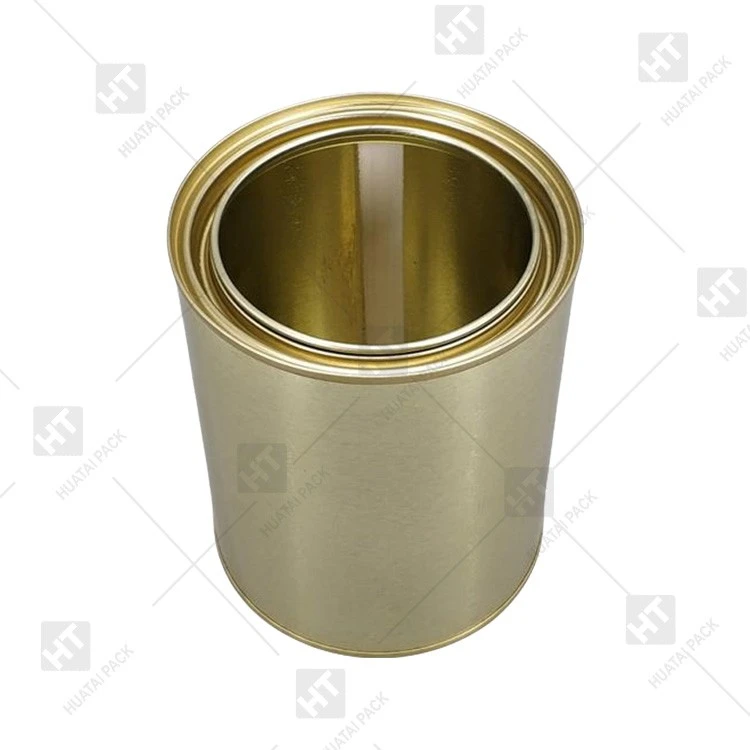
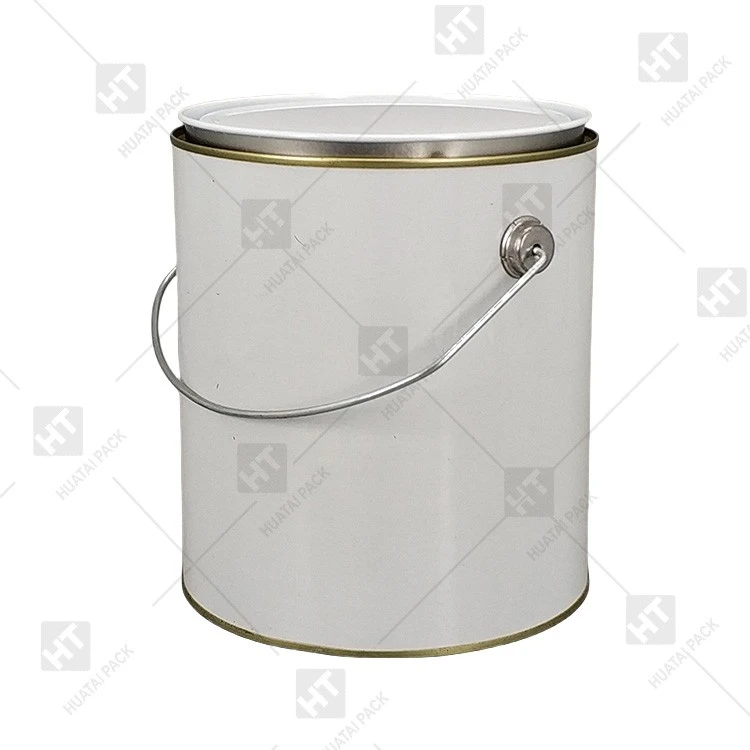
On the outside, the tin coating provides a nice, shiny finish. It not only makes the cans look more appealing but also protects the steel from rusting. Rust is a big problem for steel, especially when the cans are exposed to moisture. The tin coating acts as a shield, keeping the steel safe from the elements.
Tin is also non - toxic, which is crucial when the cans are used for food products. You don't want any harmful substances leaching into the food you're going to eat. The non - toxic nature of tin ensures that the contents of the can remain safe for consumption.
Lacquers and Linings
In addition to the tin coating, many quart tin cans have an extra layer of lacquer or lining. These are often made from polymers like epoxy or polyester.
The lacquer or lining provides an additional level of protection. It can further enhance the barrier properties of the can, especially when dealing with particularly aggressive substances. For example, if you're storing a high - strength paint with strong solvents, the lacquer can prevent the solvents from attacking the tin coating and the steel underneath.
These linings can also improve the taste and odor of the contents. In the case of food cans, a well - chosen lining can prevent any metallic taste from seeping into the food. It helps to maintain the quality and freshness of the product inside the can.
Sealing Compounds
Sealing compounds are another important material used in the making of quart tin cans. These compounds are used to create a tight seal between the can body and the lid.
The sealing compound is usually made from rubber - based or polymer - based materials. When the lid is crimped onto the can body, the sealing compound fills in any gaps, preventing air, moisture, and bacteria from getting inside the can. This is crucial for preserving the contents. Whether it's paint that needs to stay fresh or food that needs to be protected from spoilage, a good seal is essential.
The sealing compound also needs to be flexible enough to withstand the stresses of handling and transportation. It shouldn't crack or break, otherwise, the integrity of the seal will be compromised.
Printing Inks
To make the quart tin cans more marketable, printing inks are used to add labels, logos, and product information. These inks need to be durable and resistant to fading, scratching, and the effects of the contents inside the can.
Modern printing inks are often made from a combination of pigments, binders, solvents, and additives. The pigments provide the color, while the binders hold the pigments together and attach them to the surface of the can. Solvents are used to adjust the viscosity of the ink, making it easier to apply. Additives can improve the ink's properties, such as its drying time and resistance to chemicals.
When choosing printing inks for quart tin cans, it's important to ensure that they are safe for use. For food cans, the inks need to be non - toxic and not contaminate the food. For paint cans, the inks should be resistant to the solvents in the paint.
Conclusion
So, there you have it! The materials used to make quart tin cans include steel as the base, a tin coating for protection and appearance, lacquers and linings for extra protection, sealing compounds for a tight seal, and printing inks for branding and information.
As a supplier of quart tin cans, I can offer you high - quality cans made with these great materials. Whether you need 1 Gallon Round Paint Cans for your paint business or Round Empty Metal Tin Can for other purposes, I've got you covered. And if you're looking for Empty Round Tin Can, we have a wide range of options available.
If you're interested in purchasing quart tin cans, don't hesitate to reach out. We can discuss your specific requirements and find the perfect solution for you. I'm always here to help you get the best cans at the best prices.
References
- "The Metals Handbook", ASM International
- "Packaging Materials and Technology", Wiley - Blackwell