

What is the strength of different lid materials?
Oct 06, 2025
In the packaging industry, lids play a crucial role in preserving the quality and integrity of products. As a leading supplier of lids, rings, and bottoms, I've witnessed firsthand the diverse strengths of different lid materials. Each material brings unique properties to the table, making them suitable for various applications. In this blog post, I'll explore the characteristics of some common lid materials and discuss their respective advantages.
Metal Lids
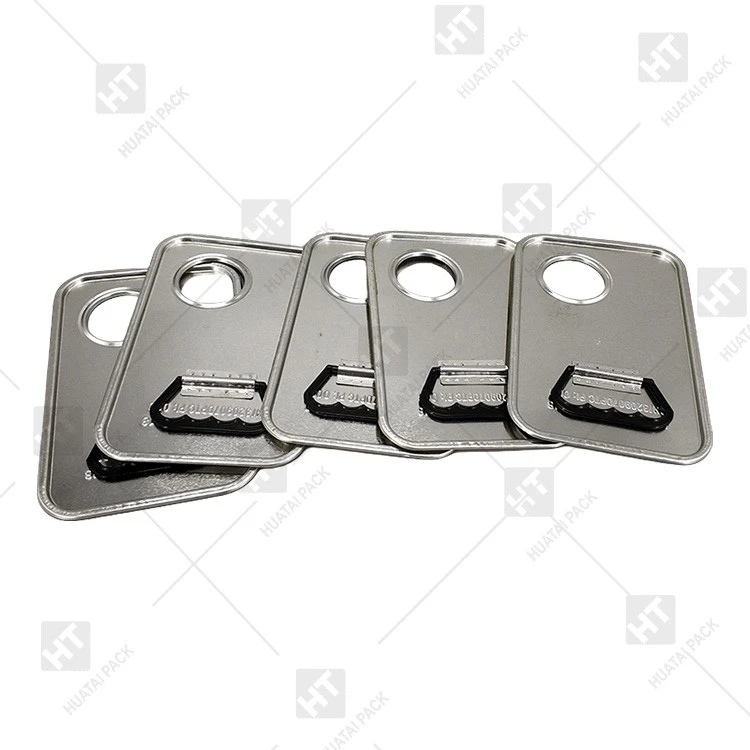
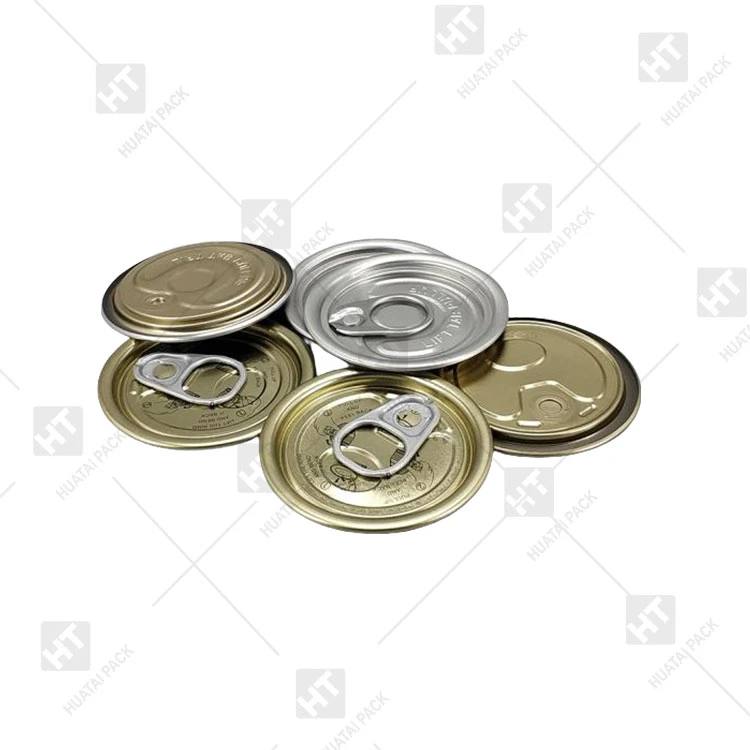
Metal lids, typically made of steel or aluminum, are renowned for their durability and strength. Steel lids, in particular, offer excellent resistance to impact and puncture, making them ideal for heavy - duty applications. They can withstand rough handling during transportation and storage without losing their integrity. For example, in the food industry, steel lids are often used for canned goods that need to maintain a long shelf - life. The airtight seal provided by steel lids prevents oxygen and moisture from entering the container, thus preserving the freshness of the food inside.
Aluminum lids, on the other hand, are lightweight yet strong. They have a high strength - to - weight ratio, which is beneficial for reducing shipping costs. Aluminum is also highly resistant to corrosion, especially in acidic or alkaline environments. This makes it a popular choice for packaging beverages, such as carbonated drinks and energy drinks. The ability of aluminum lids to form a tight seal helps to retain the carbonation and flavor of the beverages. Moreover, aluminum is recyclable, which aligns with the growing demand for sustainable packaging solutions.
If you're interested in metal lids and related accessories, you can check out our Accessories For Metal Packing. This page provides more information on the various products we offer to enhance the functionality of metal lids.
Plastic Lids
Plastic lids are widely used in the packaging industry due to their versatility and cost - effectiveness. Polyethylene (PE) and polypropylene (PP) are two commonly used plastics for lid manufacturing. PE lids are known for their flexibility and excellent moisture - barrier properties. They can be easily molded into different shapes and sizes, making them suitable for a wide range of containers, including jars, bottles, and tubs. For instance, PE lids are often used for packaging cosmetics and personal care products, as they can protect the contents from drying out and contamination.
PP lids, on the other hand, have a higher melting point and better chemical resistance compared to PE. They are rigid and can provide a secure closure for containers. PP lids are commonly used for packaging hot - filled products, such as soups and sauces. The heat - resistance of PP ensures that the lid does not deform during the filling process, maintaining the integrity of the seal.
One of the significant advantages of plastic lids is their ability to be customized. They can be printed with branding information, product details, and instructions, which helps to enhance brand visibility. Additionally, plastic lids can be designed with features such as tamper - evident bands and easy - open mechanisms. Our Easy Open Lid option provides customers with a convenient and user - friendly solution for opening plastic lids.
Glass Lids
Glass lids are prized for their aesthetic appeal and inertness. They do not react with the contents of the container, making them suitable for packaging food, beverages, and pharmaceuticals. Glass lids provide a clear view of the product inside, which can be an advantage for marketing purposes. They also offer excellent airtightness, which helps to preserve the freshness and flavor of the contents.
However, glass lids are heavier and more fragile compared to metal and plastic lids. They require careful handling during transportation and storage to prevent breakage. Despite these drawbacks, glass lids are often used for high - end products where the quality and presentation are of utmost importance. For example, glass lids are commonly used for packaging premium jams, honey, and artisanal products.
Composite Lids
Composite lids are made by combining different materials to take advantage of their individual strengths. For example, a composite lid may consist of a metal outer layer and a plastic inner layer. The metal layer provides strength and durability, while the plastic layer offers a good seal and can be customized with various features. Composite lids are often used in applications where a combination of properties is required, such as in the packaging of ready - to - eat meals.
Another type of composite lid is the paper - based lid with a plastic or metal coating. These lids are lightweight and can be a more sustainable alternative to traditional plastic lids. The paper layer provides a natural and eco - friendly look, while the coating layer offers moisture and oxygen barrier properties.
Choosing the Right Lid Material
When selecting a lid material, several factors need to be considered. The nature of the product being packaged is the primary consideration. For food products, the lid material must be food - grade and able to maintain the freshness and safety of the food. For example, if the product is sensitive to oxygen, a lid with a high oxygen - barrier property, such as a metal or composite lid, should be chosen.
The intended use and storage conditions of the product also play a role in the material selection. If the product will be exposed to high temperatures or rough handling, a durable lid material like steel or high - density plastic should be considered. Additionally, the cost, environmental impact, and branding requirements should also be taken into account.
As a lid, ring, and bottom supplier, I understand the importance of providing high - quality products that meet the specific needs of our customers. We offer a wide range of lid materials and designs to ensure that you can find the perfect solution for your packaging requirements. Our 1gallon F Style is just one of the many options available in our product portfolio.
Conclusion
In conclusion, different lid materials have their own unique strengths and weaknesses. Metal lids offer durability and excellent sealing properties, plastic lids are versatile and cost - effective, glass lids provide aesthetic appeal and inertness, and composite lids combine the best of different materials. By understanding the characteristics of each material, you can make an informed decision when choosing a lid for your product.
If you're in the market for lids, rings, or bottoms, I encourage you to get in touch with us. Our team of experts is ready to assist you in selecting the right materials and designs for your packaging needs. Whether you're a small - scale producer or a large - scale manufacturer, we have the products and expertise to meet your requirements. Contact us today to start a discussion about your packaging project.
References
- Packaging Machinery Manufacturers Institute (PMMI). (2023). Handbook of Packaging Machinery.
- European Federation of Corrugated Board Manufacturers (FEFCO). (2022). Packaging Materials and Technologies.
- Smith, J. (2021). The Science of Packaging: Materials and Design. New York: Academic Press.