

What materials are engine oil cans usually made of?
Dec 25, 2025
Engine oil cans are essential containers designed to store and transport engine oil safely and efficiently. As a trusted engine oil can supplier, I have in - depth knowledge of the various materials used in manufacturing these cans. In this blog, I'll explore the common materials for engine oil cans, their characteristics, advantages, and disadvantages.
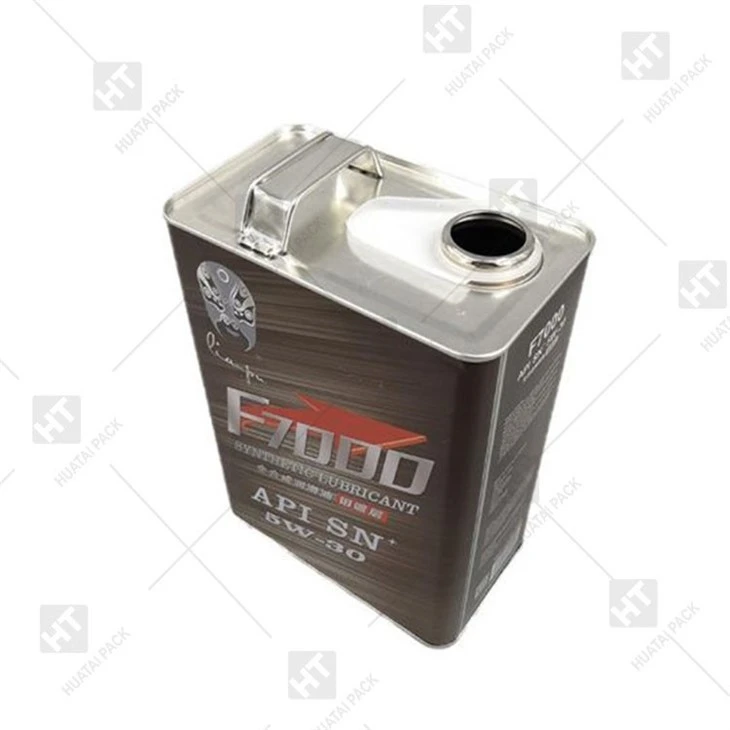
Tinplate
Tinplate is one of the most widely used materials for engine oil cans. It consists of a thin sheet of steel coated with a layer of tin. The tin coating serves multiple purposes. Firstly, it provides excellent corrosion resistance. Engine oil can be corrosive over time, and the tin layer acts as a barrier, preventing the steel from reacting with the oil and the external environment. This ensures that the can remains intact and does not contaminate the oil inside.
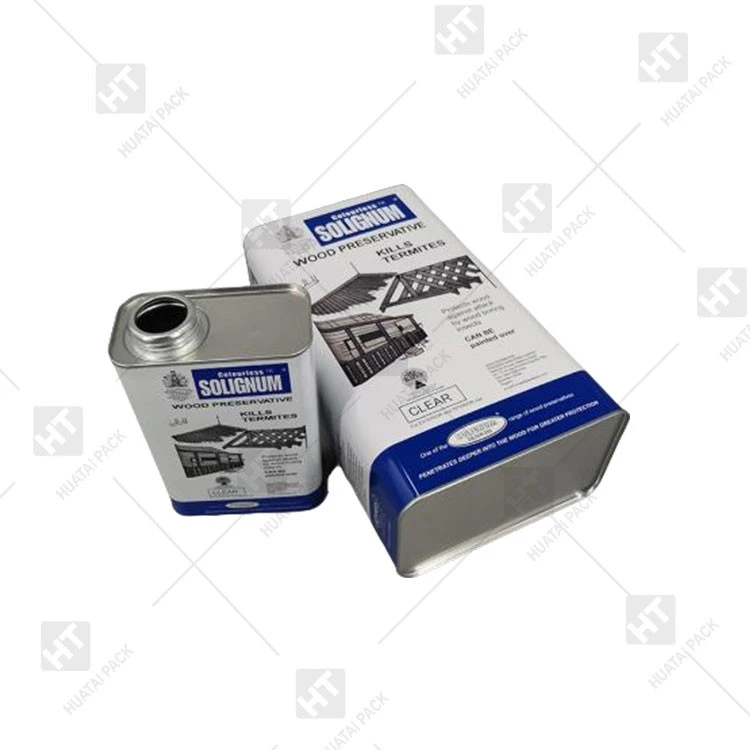
Secondly, tinplate is highly malleable. It can be easily formed into different shapes and sizes, allowing for the production of various can designs. For example, we offer 1L 4L Square Tin Can which are made from high - quality tinplate. These square cans are not only space - efficient for storage and transportation but also aesthetically pleasing.
In addition, tinplate is relatively strong. It can withstand the pressure and handling during the filling, storage, and shipping processes. However, one of the drawbacks of tinplate is that it is heavier compared to some other materials. This can increase the overall weight of the packaged engine oil, which may lead to higher transportation costs.
Aluminum
Aluminum is another popular material for engine oil cans. It is lightweight, which is a significant advantage in terms of transportation. Less weight means lower fuel consumption during shipping, reducing the overall carbon footprint and cost. For instance, our 4L Square Can made of aluminum offers a lightweight yet durable solution for storing engine oil.
Aluminum also has good corrosion resistance. It forms a thin oxide layer on its surface when exposed to air, which protects it from further oxidation and corrosion. This makes it suitable for storing engine oil, especially in various environmental conditions.
Moreover, aluminum is highly recyclable. Recycling aluminum requires significantly less energy compared to producing new aluminum from bauxite ore. This makes it an environmentally friendly choice for both manufacturers and consumers. However, aluminum cans are generally more expensive to produce than tinplate cans. The manufacturing process of aluminum cans is more complex, and the raw material cost is relatively high.
Plastic
Plastic is a versatile material that has found its way into the engine oil can market. There are different types of plastics used, such as high - density polyethylene (HDPE) and polypropylene (PP).
HDPE is known for its high strength - to - density ratio. It is resistant to impact and can protect the engine oil from physical damage during handling. Plastic cans are also lightweight, similar to aluminum cans, which reduces transportation costs. They are transparent or semi - transparent in some cases, allowing consumers to easily check the quantity and quality of the engine oil inside.
Our F Style Paint Tin Can also has plastic variants. Plastic cans can be molded into various shapes and sizes with relative ease, offering flexibility in design. However, plastic has some limitations. It may not be as chemically resistant as tinplate or aluminum. Some engine oils may react with certain plastics over time, leading to the degradation of the can or contamination of the oil. Also, plastic is not as strong as metal in terms of withstanding extreme pressure or temperature changes.
Composite Materials
Composite materials are a combination of two or more different materials, aiming to take advantage of the properties of each component. For example, some engine oil cans are made with a plastic liner inside a metal outer shell. The plastic liner provides a good chemical barrier to protect the oil from reacting with the metal, while the metal outer shell offers strength and durability.
Composite materials can be tailored to meet specific requirements. They can provide a balance between cost, performance, and environmental friendliness. However, the manufacturing process of composite materials is more complex and may require specialized equipment and expertise.
Considerations for Material Selection in Engine Oil Can Production
When choosing the material for engine oil cans, several factors need to be considered.
Cost: Cost is a crucial factor for both manufacturers and consumers. Tinplate is generally more cost - effective in large - scale production, while aluminum and some composite materials are more expensive. Plastic can be a cost - competitive option, especially for smaller - scale production or when lightweight is a priority.
Corrosion Resistance: Engine oil can be corrosive, and the can material must be able to prevent corrosion to ensure the quality and shelf - life of the oil. Tinplate and aluminum offer good corrosion resistance, while the corrosion resistance of plastic depends on the type of plastic and the nature of the engine oil.
Strength and Durability: The can needs to withstand the pressure during filling, storage, and transportation. Metal materials like tinplate and aluminum are stronger and more durable compared to plastic in most cases. However, plastic can be reinforced to improve its strength.
Environmental Impact: With the increasing focus on environmental protection, the recyclability and sustainability of the can material are important considerations. Aluminum and tinplate are highly recyclable, while the recyclability of plastic varies depending on the type.
Conclusion
As an engine oil can supplier, I understand the importance of choosing the right material for engine oil cans. Each material - tinplate, aluminum, plastic, and composite materials - has its own unique characteristics, advantages, and disadvantages. By carefully considering factors such as cost, corrosion resistance, strength, and environmental impact, we can provide our customers with the most suitable engine oil cans.
If you are in the market for high - quality engine oil cans, I encourage you to contact us for a detailed discussion. We can offer customized solutions based on your specific requirements, whether it's the size, shape, or material of the can. Let's work together to ensure that your engine oil is stored and transported in the best possible way.
References
- Ashby, M. F. (2011). Materials Selection in Mechanical Design. Butterworth - Heinemann.
- Fontana, M. G. (1986). Corrosion Engineering. McGraw - Hill.
- Rosato, D. V., & Rosato, D. V. (2004). Injection Molding Handbook. Kinetics Publishing.