

What is the viscosity of the paint in a pint paint can?
Jul 17, 2025
Viscosity is a fundamental property of paint that significantly impacts its performance and application. As a leading supplier of pint paint cans, understanding the viscosity of paint within these containers is crucial for both us and our customers. In this blog, we'll explore what paint viscosity is, why it matters in a pint paint can, and how it affects the overall painting experience.
What is Viscosity?
Viscosity refers to a fluid's resistance to flow. In simpler terms, it's how thick or thin a liquid is. High - viscosity fluids, like honey, flow slowly because their molecules are more tightly packed and have stronger internal friction. On the other hand, low - viscosity fluids, such as water, flow easily as their molecules can move past each other with less resistance.
In the context of paint, viscosity is determined by several factors, including the type of resin, the amount of solvent, the presence of additives, and the pigment concentration. Different paint formulations are designed to have specific viscosities to meet various application requirements.
Why Viscosity Matters in a Pint Paint Can
Application
The viscosity of paint in a pint paint can directly affects how it is applied. For brush painting, a medium - viscosity paint is often preferred. It spreads smoothly on the surface, adheres well, and doesn't drip easily. If the paint is too thin (low viscosity), it may run down the surface, resulting in an uneven finish. Conversely, if it's too thick (high viscosity), it can be difficult to spread, leaving brush marks and an unprofessional look.
For spray painting, a lower - viscosity paint is typically required. This allows the paint to atomize properly through the spray gun nozzle and create a fine mist that evenly coats the surface. Using paint with the wrong viscosity for spray application can lead to clogging of the nozzle, uneven coverage, and a poor - quality finish.
Storage
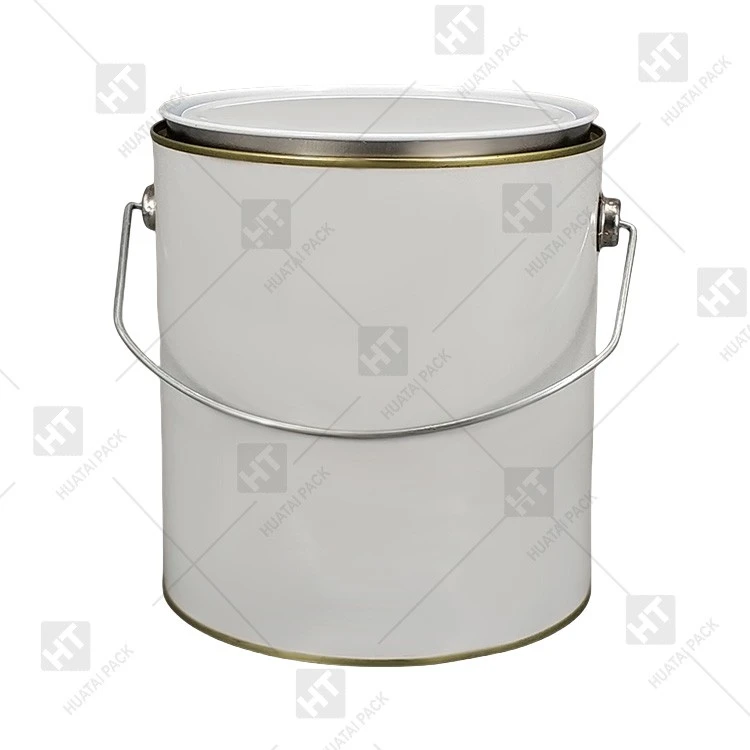
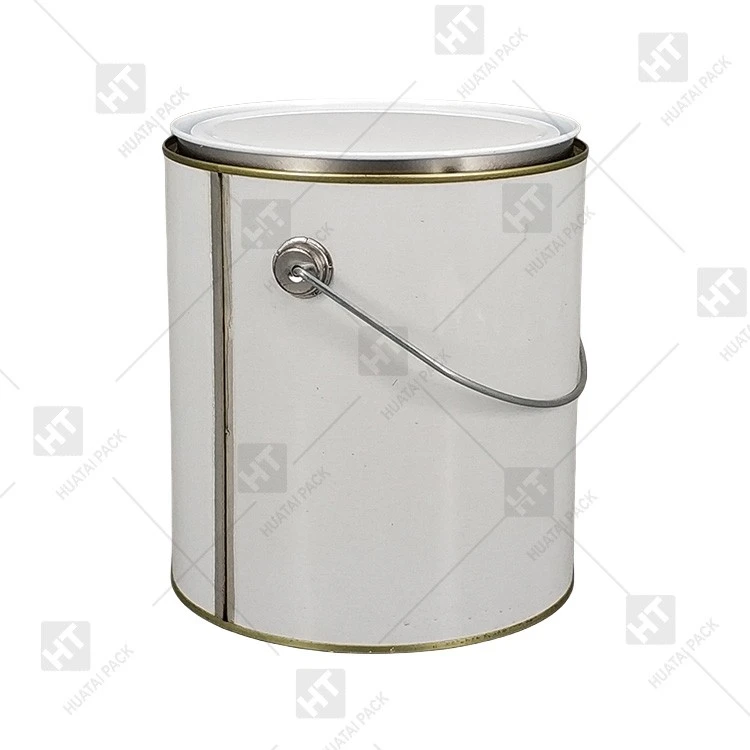
Viscosity also plays a role in the storage of paint in pint paint cans. Over time, paint can change its viscosity due to factors such as temperature fluctuations, evaporation of solvents, and chemical reactions. If the paint becomes too thick during storage, it may be difficult to use when it's time to paint. We, as a pint paint can supplier, understand the importance of providing containers that help maintain the paint's original viscosity. Our Round Metal Tin Paint Cans are designed with air - tight seals to minimize solvent evaporation and protect the paint's quality.
Shelf Life
The right viscosity can contribute to a longer shelf life of the paint. Paint with a stable viscosity is less likely to separate or settle during storage. This means that when a customer opens a pint paint can months or even years after purchase, the paint is still in a usable condition. Our Chemical Round Can is made from high - quality materials that resist corrosion and protect the paint from external factors that could affect its viscosity and overall quality.
Measuring the Viscosity of Paint in a Pint Paint Can
There are several methods to measure the viscosity of paint. One common method is using a viscometer. A viscometer works by measuring the time it takes for a certain volume of paint to flow through a small opening under specific conditions. The longer the flow time, the higher the viscosity of the paint.
Another method is the "dip - and - drag" test. In this test, a rod or a paddle is dipped into the paint and then slowly pulled out. The way the paint clings to the rod and the thickness of the paint film on the rod can give an indication of its viscosity. However, these tests are more qualitative and are often used in a less - precise, on - site setting.
Factors Affecting the Viscosity of Paint in a Pint Paint Can
Temperature
Temperature has a significant impact on paint viscosity. As the temperature increases, the viscosity of the paint decreases because the molecules have more energy and can move more freely. Conversely, when the temperature drops, the paint becomes thicker. This is why it's important to store paint in a temperature - controlled environment. Our 5L Metal Coating Can provides some insulation against temperature changes to help maintain the paint's viscosity.
Solvent Content
The amount of solvent in the paint affects its viscosity. Solvents act as a carrier for the resin and pigments, making the paint more fluid. If the solvent evaporates over time, the paint becomes thicker. Some paints are formulated to be "thinned" with additional solvents before application to achieve the desired viscosity.
Pigment Loading
The amount of pigment in the paint also influences its viscosity. Higher pigment loading generally results in a higher - viscosity paint. Pigments are solid particles, and as their concentration increases, they create more resistance to the flow of the paint.
How We, as a Pint Paint Can Supplier, Ensure Optimal Viscosity Preservation
We understand that the quality of our pint paint cans is directly related to the preservation of the paint's viscosity. Our cans are made from high - grade materials that are resistant to corrosion and leakage. The design of our cans includes features such as air - tight lids and proper sealing mechanisms to prevent the evaporation of solvents and the entry of air, which can cause the paint to thicken or oxidize.
We also conduct thorough quality control checks on our paint cans to ensure that they meet the highest standards. This includes testing the cans for their ability to maintain a stable internal environment, which is crucial for preserving the paint's viscosity.
Conclusion
The viscosity of paint in a pint paint can is a critical factor that affects the application, storage, and shelf life of the paint. As a supplier of pint paint cans, we are committed to providing high - quality containers that help maintain the paint's optimal viscosity. Our Round Metal Tin Paint Cans, Chemical Round Can, and 5L Metal Coating Can are designed with the latest technology and materials to ensure the best possible protection for your paint.
If you are in the market for high - quality pint paint cans that can preserve the viscosity and quality of your paint, we invite you to contact us for a procurement discussion. We are ready to work with you to meet your specific needs and provide the best solutions for your paint packaging requirements.
References
- ASTM International. (Year). Standard Test Methods for Viscosity of Paints, Varnishes, Lacquers, and Related Products.
- Paint and Coatings Industry Handbook. (Year). McGraw - Hill Professional.
- Society of Chemical Industry. (Year). Chemical Aspects of Paint Viscosity.