

What is the vibration resistance of an engine oil can?
Sep 09, 2025
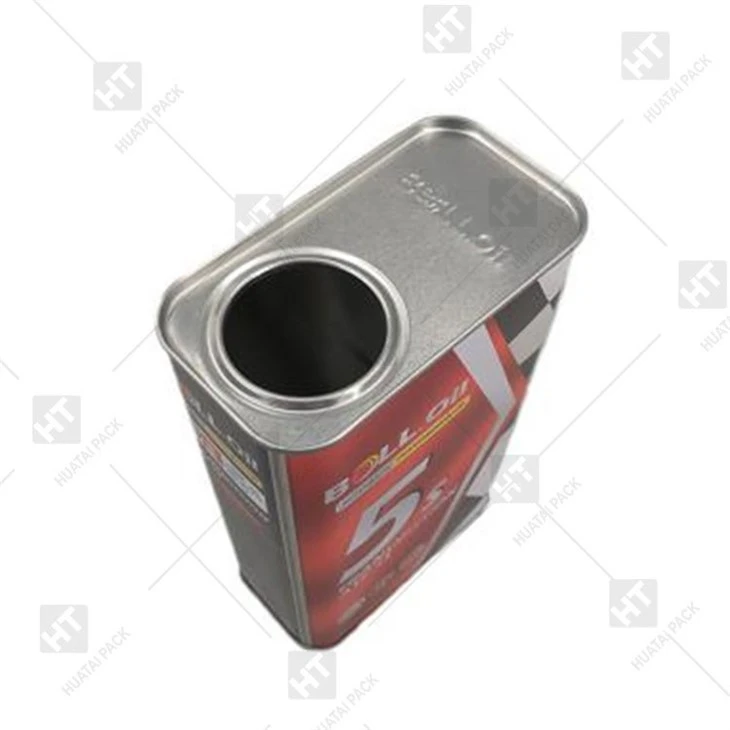
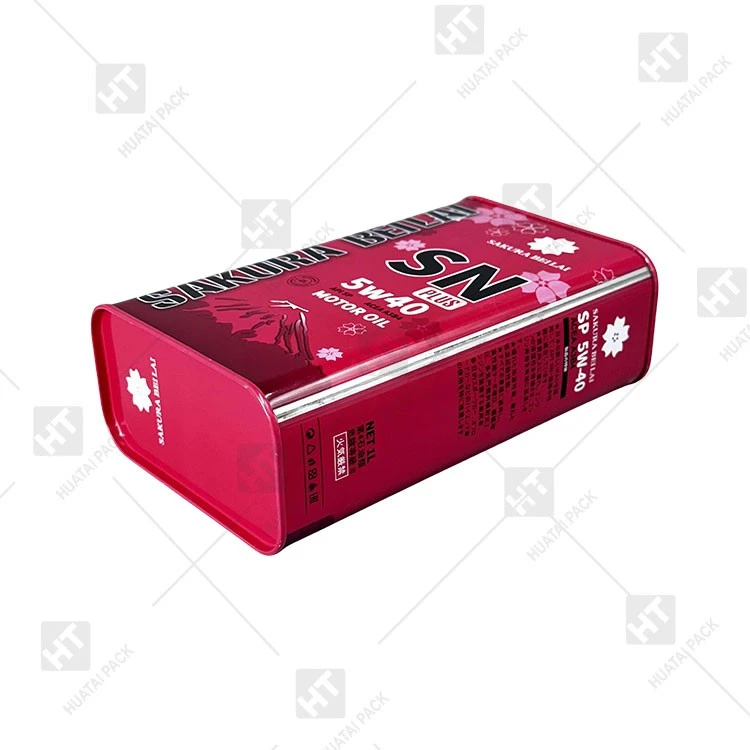
As a seasoned supplier of engine oil cans, I've witnessed firsthand the critical role these containers play in safeguarding engine oil. One of the most important features that often goes unnoticed but is of utmost significance is the vibration resistance of an engine oil can. In this blog, I'll delve into what vibration resistance means for an engine oil can, why it's crucial, and how our products excel in this aspect.
Understanding Vibration Resistance
Vibration resistance refers to the ability of an engine oil can to withstand the constant vibrations it may encounter during transportation, storage, and even normal use. Engines generate vibrations as they operate, and when oil cans are placed in close proximity to engines or are being transported in vehicles, they are subjected to these forces. Additionally, during shipping, trucks, trains, and ships all create vibrations that can affect the integrity of the oil cans.
A can with poor vibration resistance may experience a range of issues. The most obvious is leakage. Vibrations can cause the seams and seals of the can to loosen over time, allowing oil to seep out. This not only leads to a loss of product but can also create a mess and pose a safety hazard. Moreover, excessive vibrations can damage the structure of the can, leading to dents or even cracks. Once the can is compromised, the oil inside is at risk of contamination from dust, moisture, and other external elements, which can degrade the quality of the oil and potentially harm the engine.
Why Vibration Resistance Matters
The quality of engine oil is directly related to the performance and longevity of an engine. Engine oil lubricates moving parts, reduces friction, and helps dissipate heat. If the oil is contaminated due to a damaged can, it may not be able to perform these functions effectively. This can result in increased wear and tear on the engine, reduced fuel efficiency, and even engine failure in severe cases.
From a business perspective, vibration resistance is also crucial for maintaining customer satisfaction. Customers expect to receive a high - quality product in perfect condition. A leaking or damaged oil can not only disappoints the customer but can also lead to negative reviews and a loss of trust in the brand. As a supplier, we understand that our reputation is on the line with every can we deliver, and ensuring vibration resistance is an essential part of upholding that reputation.
Our Engine Oil Cans and Vibration Resistance
At our company, we take vibration resistance very seriously. We use high - quality materials in the manufacturing of our engine oil cans. Our cans are typically made from tinplate, which is known for its strength and durability. The tinplate provides a solid structure that can withstand the rigors of vibration.
In addition to the material, our manufacturing process is designed to enhance vibration resistance. We use advanced welding and sealing techniques to ensure that the seams of the can are strong and airtight. The lids are also securely attached, preventing any accidental opening due to vibrations.
We offer a variety of engine oil can designs to meet different customer needs. For example, our F Style Oil Can is not only aesthetically pleasing but also engineered to have excellent vibration resistance. The unique shape of the can distributes the forces generated by vibrations evenly, reducing the stress on any single point of the can.
Our F Style Paint Tin Can also shares similar design principles. Although it is primarily used for paint, the same high - quality construction ensures that it can withstand vibrations, making it suitable for other liquid storage applications as well.
Another popular product in our lineup is the 18L Square Tinplate Barrel Cans. These larger cans are often used for bulk storage and transportation of engine oil. The square shape provides stability, and the reinforced corners and edges help to resist the impact of vibrations.
Testing for Vibration Resistance
To ensure that our engine oil cans meet the highest standards of vibration resistance, we conduct rigorous testing. We use specialized equipment to simulate the vibrations that the cans may encounter during transportation and use. The cans are subjected to different frequencies and amplitudes of vibration for extended periods. After the testing, we inspect the cans for any signs of damage, such as leaks, dents, or cracks. Only the cans that pass these strict tests are approved for sale.
Conclusion
Vibration resistance is a critical characteristic of an engine oil can. It ensures the integrity of the can, protects the quality of the engine oil, and maintains customer satisfaction. As a supplier, we are committed to providing engine oil cans that excel in vibration resistance. Our high - quality materials, advanced manufacturing processes, and strict testing procedures guarantee that our products can withstand the toughest conditions.
If you are in the market for engine oil cans and are looking for a reliable supplier, we would love to hear from you. Whether you need a small quantity for a local garage or a large - scale order for a manufacturing plant, we can meet your needs. Contact us today to start a discussion about your requirements and let us provide you with the best engine oil cans on the market.
References
- "Materials Science and Engineering: An Introduction" by William D. Callister Jr. and David G. Rethwisch
- Industry standards and guidelines for engine oil can manufacturing and testing.