

Do 3l olive oil cans need to be refrigerated?
Sep 09, 2025
As a supplier of 3L olive oil cans, I often encounter questions from customers regarding the proper storage of olive oil, especially whether 3L olive oil cans need to be refrigerated. In this blog, I'll delve into the science behind olive oil storage, discuss the factors influencing the decision to refrigerate, and provide practical advice for maintaining the quality of olive oil in 3L cans.
The Composition of Olive Oil and Its Stability
Olive oil is primarily composed of monounsaturated fatty acids, which are relatively stable compared to polyunsaturated fats. These monounsaturated fats are less prone to oxidation, a process that can lead to the development of rancidity and off - flavors in oils. Additionally, olive oil contains antioxidants such as vitamin E and polyphenols, which help to protect the oil from oxidation.
Oxidation occurs when the oil comes into contact with oxygen, light, and heat. When these elements are present, the fatty acids in the oil can break down, producing free radicals that cause the oil to become rancid. The rate of oxidation depends on several factors, including the quality of the oil, the storage conditions, and the presence of antioxidants.
Factors to Consider When Deciding to Refrigerate 3L Olive Oil Cans
1. Temperature
Olive oil is best stored at a cool, stable temperature. The ideal temperature range for storing olive oil is between 10°C and 21°C (50°F and 70°F). At temperatures above 21°C, the rate of oxidation increases significantly, which can lead to a shorter shelf - life and a decrease in the oil's quality.
Refrigeration can help to slow down the oxidation process by keeping the oil at a lower temperature. However, it's important to note that olive oil will solidify or become cloudy when refrigerated, as the saturated and monounsaturated fats in the oil begin to crystallize at lower temperatures. This is a natural process and does not indicate that the oil has gone bad. Once the oil is brought back to room temperature, it will return to its liquid state.
2. Exposure to Light
Light can also accelerate the oxidation of olive oil. Ultraviolet (UV) light, in particular, can break down the antioxidants in the oil and cause the fatty acids to oxidize more quickly. To protect olive oil from light, it's recommended to store it in a dark place or in opaque containers.
3L olive oil cans are typically made of metal, which provides good protection against light. However, if the cans are stored in a place where they are exposed to direct sunlight or bright artificial light for extended periods, the oil may still be at risk of oxidation. In such cases, refrigeration can be a good option to further protect the oil from light - induced oxidation.
3. Air Exposure
Air contains oxygen, which is one of the main factors that cause olive oil to oxidize. When the can is opened, the oil is exposed to air, and the rate of oxidation increases. To minimize air exposure, it's important to keep the can tightly sealed when not in use.
If you have a large 3L can of olive oil and you don't plan to use it all within a few months, refrigeration can help to slow down the oxidation process during the periods when the can is not in use. However, if you use the oil regularly and can consume it within a reasonable time frame, refrigeration may not be necessary.
The Pros and Cons of Refrigerating 3L Olive Oil Cans
Pros
- Extended Shelf - Life: Refrigeration can significantly extend the shelf - life of olive oil by slowing down the oxidation process. This is especially beneficial if you have a large quantity of oil and you don't plan to use it all within a short period.
- Better Preservation of Nutrients: By reducing the rate of oxidation, refrigeration helps to preserve the antioxidants and other nutrients in the olive oil, ensuring that you get the maximum health benefits from the oil.
Cons
- Cloudiness and Solidification: As mentioned earlier, olive oil will become cloudy or solidify when refrigerated. This can be unappealing to some consumers, and it may also make the oil more difficult to pour.
- Condensation: When the refrigerated oil is taken out of the fridge and brought to room temperature, condensation can form on the inside of the can. This moisture can potentially promote the growth of bacteria or mold if the can is not stored properly.
Practical Tips for Storing 3L Olive Oil Cans
- Choose the Right Location: Whether you decide to refrigerate the oil or not, it's important to store the 3L olive oil cans in a cool, dark place. A pantry or a cupboard away from the stove, oven, or other heat sources is an ideal location.
- Keep the Can Sealed: Always keep the can tightly sealed when not in use to minimize air exposure. If possible, use a can with a good - quality seal to prevent oxygen from entering the can.
- Use a Pouring Spout: If you refrigerate the oil and it becomes solid, using a pouring spout can make it easier to dispense the oil. You can also let the can sit at room temperature for a few hours before using it to allow the oil to return to its liquid state.
Our Product Offerings
As a supplier of 3L olive oil cans, we offer high - quality 3L Olive Oil Tin Can that are designed to provide optimal protection for your olive oil. Our cans are made of durable metal and are available in different designs to meet your specific needs.
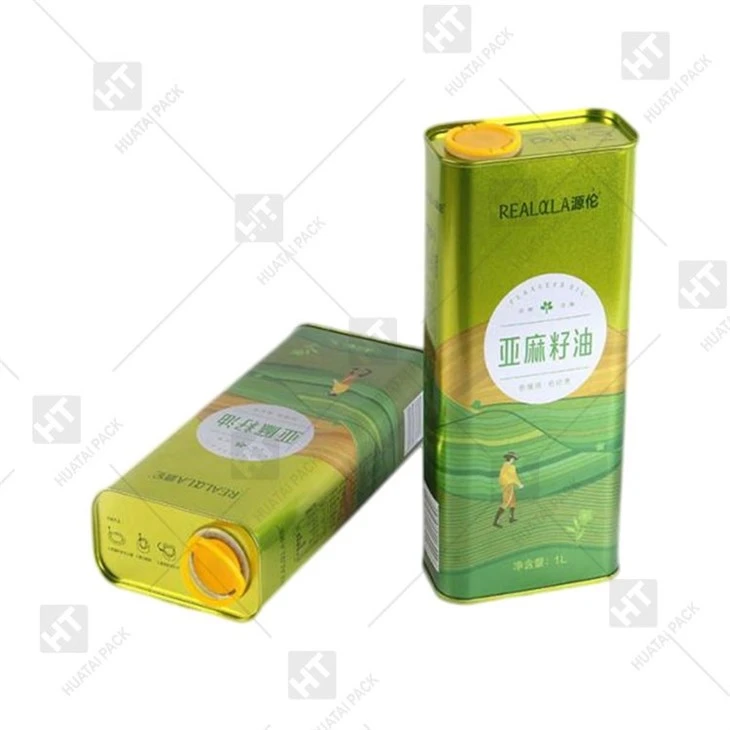
In addition to 3L cans, we also offer 1L Olive Oil Square Tin Can for those who prefer smaller quantities of olive oil. And if you're looking for empty containers, we have Empty Metal Oilve Oil Can that you can fill with your own olive oil.
Conclusion
In conclusion, whether 3L olive oil cans need to be refrigerated depends on several factors, including the storage conditions, the rate of consumption, and personal preferences. While refrigeration can help to extend the shelf - life and preserve the quality of the oil, it also has some drawbacks, such as cloudiness and solidification.
If you have any questions about storing olive oil or about our 3L olive oil cans, please don't hesitate to contact us. We're here to help you make the best decisions for your olive oil storage needs and look forward to discussing potential procurement opportunities with you.

References
- "Extra Virgin Olive Oil: Chemistry and Technology" by Domenico Boskou
- "The Olive Oil Companion" by Paul W. Vossen