

What is the thickness of the paint in a pint paint can?
Sep 05, 2025
Hey there! I'm a supplier of pint paint cans, and today I wanna chat about something that might seem a bit technical but is super important in our line of work: the thickness of the paint in a pint paint can.
First off, let's get a bit of background. A pint paint can is a common container in the paint industry. It's a convenient size for small - scale painting projects, like touch - ups around the house or for artists who need a limited amount of paint. But the thickness of the paint inside that can is a crucial factor that affects everything from the application process to the final look of the painted surface.
The thickness of paint, often referred to as its viscosity, is measured in various ways. One common unit is the centipoise (cP). Different types of paint have different ideal viscosities. For example, latex paint, which is widely used for interior walls, usually has a viscosity in the range of 1000 - 5000 cP. Oil - based paints, on the other hand, tend to be thicker, with viscosities around 5000 - 10000 cP.
Why does the thickness matter? Well, if the paint is too thin, it might run or drip during application. You know how frustrating it is when you're trying to paint a straight line, and the paint just won't stay put? That's often because the viscosity is too low. On the flip side, if the paint is too thick, it can be difficult to spread evenly. You might end up with a lumpy or streaky finish, which is definitely not what you want for a professional - looking paint job.
As a pint paint can supplier, I've seen firsthand how the right paint thickness can make or break a project. We work closely with paint manufacturers to ensure that the cans we supply are suitable for the specific type of paint they'll hold. For instance, if a manufacturer is producing a high - viscosity enamel paint, we need to make sure the can can withstand the pressure and that the paint doesn't dry out or separate during storage.
Now, let's talk about how the thickness of the paint can impact the can itself. Thicker paints are generally heavier and more dense. This means that the can needs to be strong enough to hold the weight without deforming. Our pint paint cans are designed with this in mind. We use high - quality materials that can handle the stress of holding thick paint for extended periods.
But it's not just about the strength of the can. The thickness of the paint also affects how it's dispensed. If the paint is too thick, it might not flow easily out of the can's opening. That's why we pay close attention to the design of the can's spout. We want to make sure that whether the paint is thin or thick, it can be poured out smoothly and without a mess.
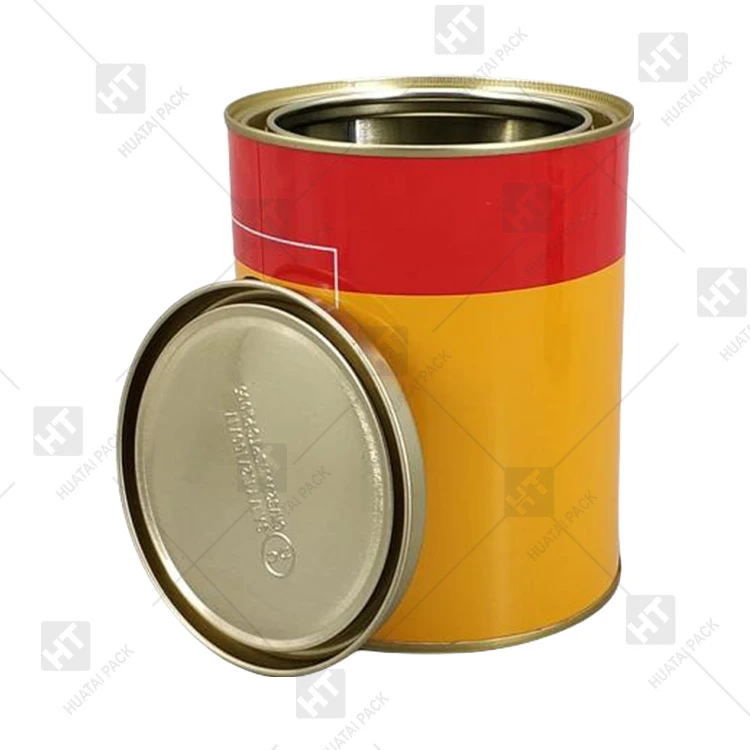
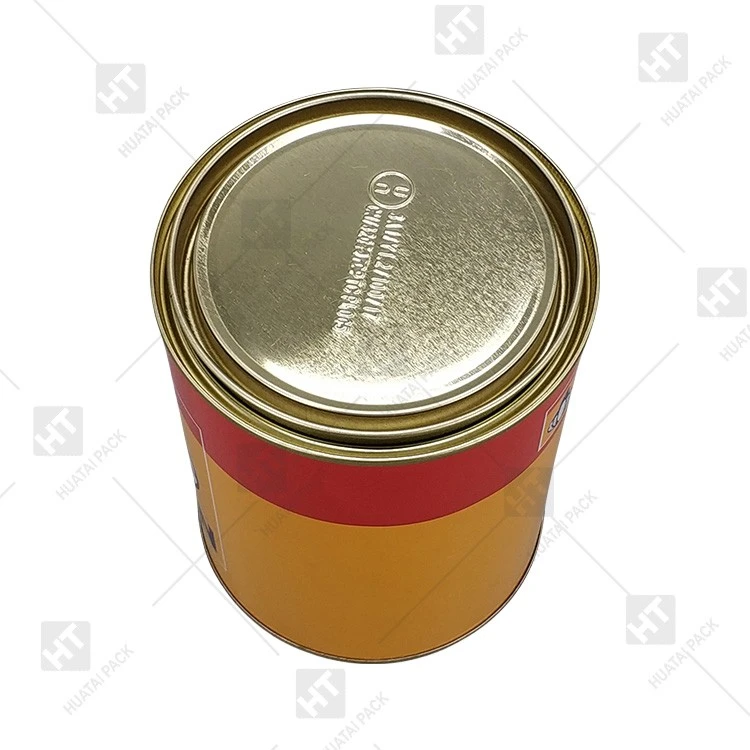
In addition to pint paint cans, we also offer other sizes and types of paint containers. For those who need a larger quantity of paint, we have Quart Tin Can. These are great for medium - sized projects, like painting a room or a small piece of furniture. And if you're looking for an even bigger option, our 1 Gallon Round Paint Cans are a popular choice for commercial or large - scale residential projects.
We also have Chemical Paint Tin Can for paints that have special chemical properties. These cans are made with materials that are resistant to corrosion and can safely store paints that might be reactive or hazardous.
So, how do paint manufacturers determine the right thickness for their products? It's a combination of science and art. They conduct a lot of tests to find the optimal viscosity that will give the best results in terms of application, drying time, and durability. They also take into account the preferences of their customers. Some painters prefer a thinner paint for a more fluid application, while others like a thicker paint for better coverage.
As a supplier, we're always learning and adapting. We keep up with the latest research in paint technology to make sure our cans are up to the task. We also listen to feedback from our customers, whether they're paint manufacturers or end - users. This helps us improve our products and provide the best possible solutions for the paint industry.
If you're in the market for paint cans, whether it's pint - sized or something larger, we'd love to hear from you. We can offer you high - quality cans that are designed to meet the specific needs of your paint products. Whether you're a small - scale paint producer or a large - scale industrial manufacturer, we have the expertise and the resources to supply you with the right cans.
Contact us to start a conversation about your paint can needs. We're here to help you find the perfect solution for your business.
References
- Paint Technology Handbook: Covers the basics of paint formulation, including viscosity and its impact on paint performance.
- Industrial Packaging Standards: Provides guidelines on the design and construction of paint cans to ensure safety and durability.