

What is the structure of the bottom of a shoe?
Jul 04, 2025
Hey there! As a supplier of lids, rings, and bottoms, I've been in the business long enough to understand the ins and outs of these essential components. Today, though, I want to take a bit of a different turn and talk about something that's not directly related to our core products but is equally fascinating: the structure of the bottom of a shoe.
Now, you might be wondering, "What does the bottom of a shoe have to do with lids, rings, and bottoms?" Well, it's all about understanding the importance of structure and design in various products. Just like a well - designed lid ensures a proper seal for a can, a well - structured shoe bottom provides comfort, support, and durability for the wearer.
Let's start with the outsole. This is the part of the shoe that comes into direct contact with the ground. It's like the foundation of a building; if it's not right, everything else can fall apart. The outsole is typically made from rubber or a rubber - like material. Rubber is great because it's durable, flexible, and provides good traction. Different types of shoes have different outsole designs. For example, running shoes usually have a more flexible outsole with a pattern that's optimized for forward motion. The pattern on the outsole can be anything from simple grooves to complex treads. These patterns help the shoe grip the ground, whether it's wet or dry. Hiking boots, on the other hand, have a much thicker and more rugged outsole. They need to withstand rough terrains like rocks and mud, so the outsole is designed to be extra durable and provide maximum traction in all directions.
Next up is the midsole. This is the layer between the outsole and the insole. The midsole plays a crucial role in providing cushioning and support. It absorbs the shock that your feet experience with every step. Most midsoles are made from materials like EVA (ethylene - vinyl acetate) or polyurethane. EVA is lightweight and provides good shock absorption, which is why it's commonly used in running shoes. Polyurethane, on the other hand, is more durable and offers better support, making it a popular choice for athletic shoes and work boots. Some high - end shoes even have air or gel pockets in the midsole. These pockets further enhance the shock - absorbing capabilities of the shoe. For instance, Nike's Air Max technology uses air pockets in the midsole to provide a unique and responsive cushioning experience.
The insole is the part of the shoe that you actually step on. It's like the carpet in your living room; it adds an extra layer of comfort. Insoles can be removable or built - in. Removable insoles are great because you can replace them if they get worn out or customize them to your needs. For example, if you have flat feet, you can get an orthotic insole that provides extra arch support. Insoles are usually made from materials like foam, fabric, or leather. Foam insoles are soft and provide good cushioning, while leather insoles are more breathable and can mold to the shape of your feet over time.
Now, let's talk about the shank. The shank is a stiff piece of material that's usually placed between the midsole and the outsole, in the arch area of the shoe. Its main function is to provide stability and support. It helps to prevent the shoe from bending too much in the middle, which can cause discomfort and even injury. Shanks can be made from different materials, such as plastic, fiberglass, or metal. In dress shoes, the shank is often made from a flexible plastic to provide just enough support without sacrificing style. In work boots, a more rigid metal or fiberglass shank is used to provide maximum stability, especially for people who are on their feet for long periods or who need to carry heavy loads.
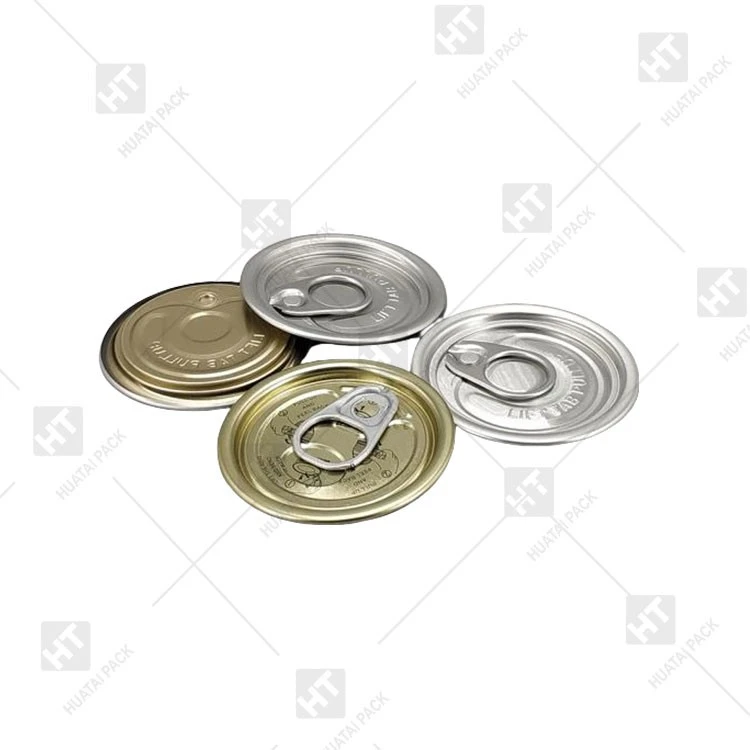
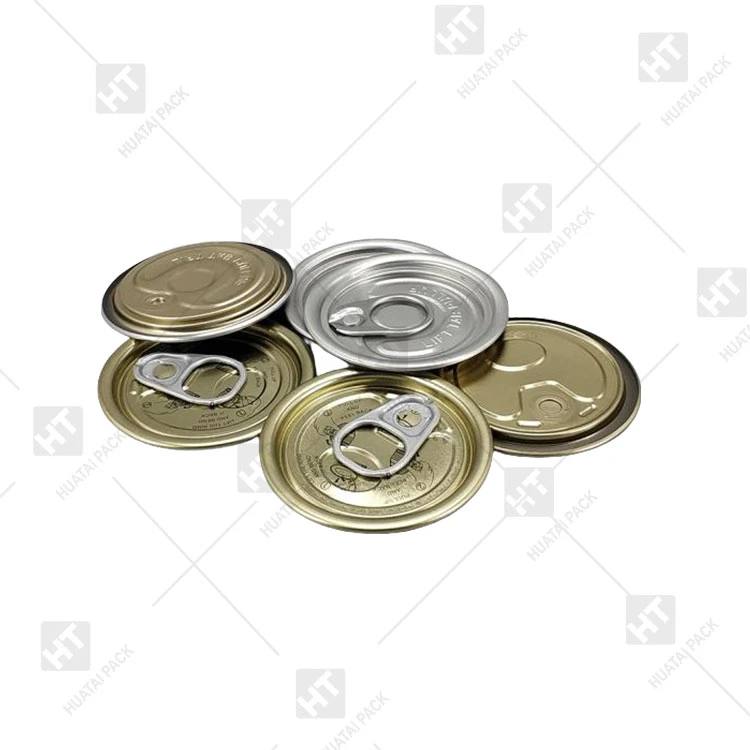
As a lid / ring / bottom supplier, I understand the importance of getting the structure right. Just like in shoes, where each layer and component has a specific function, our lids, rings, and bottoms are designed with precision to meet the needs of our customers. Whether it's an Accessories For 1L 5L Square Cans or an Easy Open Lid, we make sure that every part is well - crafted and serves its purpose effectively.
For example, our 1gallon F Style products are designed to fit perfectly and provide a secure seal. Just like the outsole of a shoe that grips the ground, our lids and rings are engineered to fit tightly on the cans, preventing any leakage. And just as the midsole of a shoe provides cushioning, our products are made from high - quality materials that can withstand the rigors of transportation and storage.
If you're in the market for lids, rings, or bottoms, I encourage you to reach out and start a conversation. We're always happy to discuss your specific needs and find the best solutions for you. Whether you're looking for a standard product or a custom - designed solution, we have the expertise and the resources to meet your requirements.
In conclusion, the structure of the bottom of a shoe is a complex and well - thought - out system. Each component, from the outsole to the shank, plays a vital role in providing comfort, support, and durability. Similarly, our lids, rings, and bottoms are designed with the same attention to detail and functionality. So, if you're interested in learning more about our products or have any questions, don't hesitate to get in touch. Let's start a conversation and see how we can work together to meet your needs.
References
- "The Science of Running Shoes" by Runner's World
- "Footwear Technology and Design" by various industry experts in footwear design