

What is the shelf life of a 32oz glue can?
Oct 27, 2025
As a supplier of 32oz glue cans, I often get asked about the shelf life of our products. Understanding the shelf life of glue is crucial for both consumers and businesses, as it directly impacts the quality and performance of the adhesive. In this blog post, I'll delve into the factors that affect the shelf life of a 32oz glue can, how to determine if the glue is still usable, and best practices for storage to maximize its lifespan.
What Determines the Shelf Life of Glue?
The shelf life of a 32oz glue can is influenced by several key factors, including the type of glue, its chemical composition, and the storage conditions.
Type of Glue
Different types of glue have varying shelf lives. For example, water-based glues, such as white glue or school glue, typically have a shorter shelf life compared to solvent-based or epoxy glues. Water-based glues are more prone to drying out and developing mold if not stored properly. On the other hand, solvent-based glues, which contain volatile organic compounds (VOCs), can have a longer shelf life as the solvents help to keep the adhesive in a liquid state. Epoxy glues, which consist of two parts that are mixed together before use, also have a relatively long shelf life if the components are stored separately and properly sealed.
Chemical Composition
The chemical composition of the glue plays a significant role in determining its shelf life. Glues that contain additives, such as preservatives or stabilizers, tend to have a longer shelf life. These additives help to prevent the growth of bacteria and fungi, as well as slow down the chemical reactions that can cause the glue to break down over time. Additionally, the quality of the raw materials used in the glue can also affect its shelf life. Higher-quality ingredients are generally more stable and less likely to degrade over time.
Storage Conditions
Proper storage is essential for maintaining the quality and extending the shelf life of a 32oz glue can. Glue should be stored in a cool, dry place away from direct sunlight and extreme temperatures. Exposure to heat can cause the glue to thicken, dry out, or become less effective, while exposure to moisture can lead to the growth of mold and bacteria. It's also important to keep the glue can tightly sealed when not in use to prevent air and moisture from entering.
Typical Shelf Life of a 32oz Glue Can
The shelf life of a 32oz glue can can vary widely depending on the factors mentioned above. In general, water-based glues have a shelf life of about 1 to 2 years, while solvent-based glues and epoxy glues can last for 2 to 5 years or more if stored properly. However, these are just rough estimates, and the actual shelf life of a specific glue product may be different.
To get a more accurate idea of the shelf life of a particular 32oz glue can, it's best to refer to the manufacturer's instructions or product label. The label should provide information on the recommended storage conditions and the expected shelf life of the glue. If the glue has been stored under less-than-ideal conditions, its shelf life may be shorter than the manufacturer's recommendation.
How to Determine if the Glue is Still Usable
Over time, glue can start to degrade, which can affect its performance. Here are some signs that a 32oz glue can may have passed its prime:
- Change in Consistency: If the glue has become thick, lumpy, or has separated into layers, it may no longer be usable. A change in consistency can indicate that the glue has started to dry out or that the chemical composition has changed.
- Off Odor: A strong, unpleasant odor can be a sign that the glue has spoiled or is starting to break down. Glue that has gone bad may have a sour, musty, or chemical smell.
- Poor Adhesion: If the glue no longer adheres well to surfaces or fails to bond properly, it may be past its shelf life. This can be due to a loss of tack or a change in the chemical properties of the glue.
If you notice any of these signs, it's best to discard the glue and purchase a new can. Using expired glue can result in poor bonding, which can lead to product failure or damage.
Best Practices for Extending the Shelf Life of Glue
To maximize the shelf life of a 32oz glue can, follow these best practices:
- Store in a Cool, Dry Place: As mentioned earlier, storing the glue in a cool, dry place away from direct sunlight and extreme temperatures is crucial. A temperature range of 50°F to 70°F (10°C to 21°C) is ideal for most types of glue.
- Keep the Can Tightly Sealed: Make sure the glue can is tightly sealed when not in use to prevent air and moisture from entering. This will help to keep the glue fresh and prevent it from drying out or developing mold.
- Avoid Contamination: Do not introduce foreign substances, such as dirt, dust, or water, into the glue can. Contamination can cause the glue to spoil or affect its performance.
- Use the Glue Regularly: If possible, use the glue regularly to prevent it from sitting on the shelf for too long. This will help to keep the glue in good condition and ensure that it remains effective.
Our Product Range
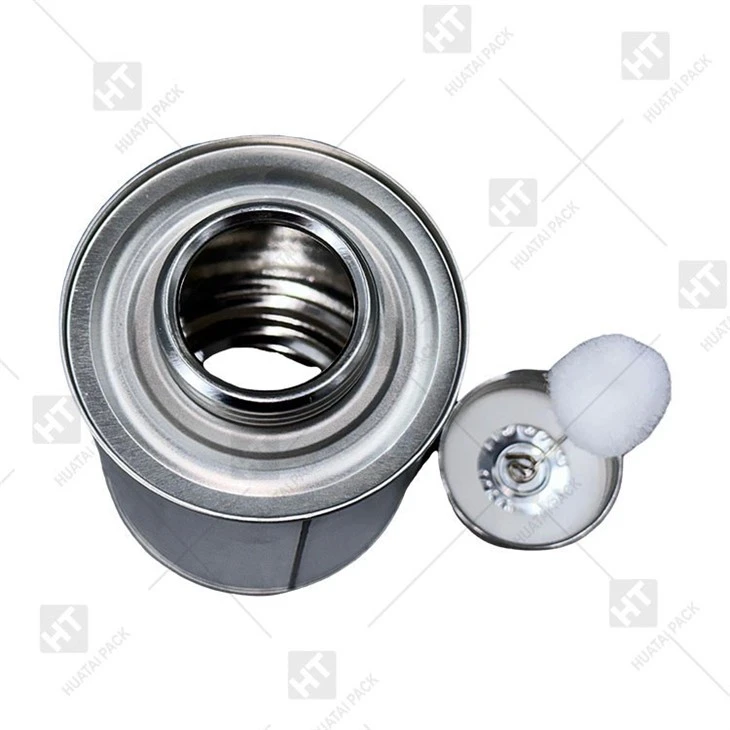
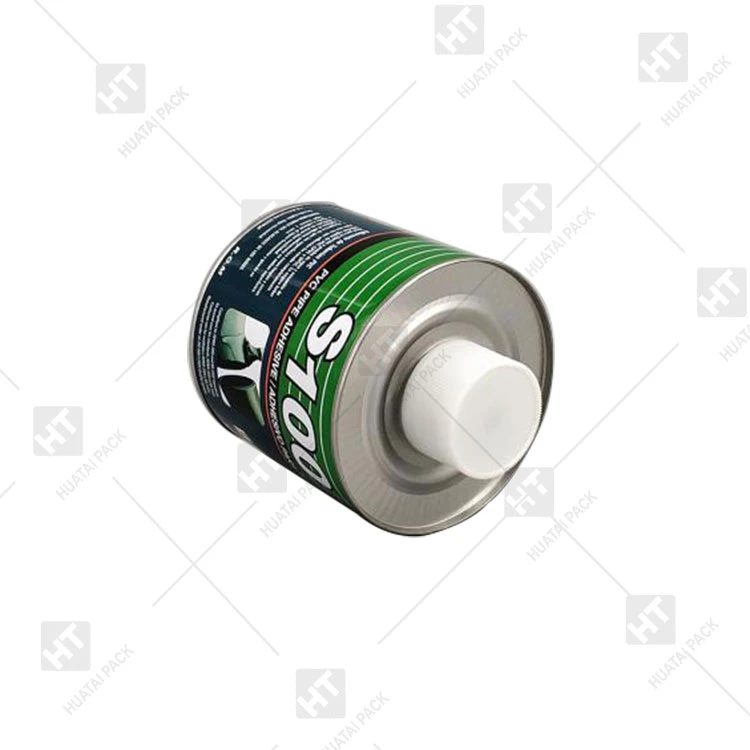
In addition to our 32oz glue cans, we also offer a variety of other glue products, including 16oz Glue Can and 8oz Glue Can. These smaller-sized cans are perfect for smaller projects or for those who don't need a large quantity of glue. We also have Pvc Can options available, which are specifically designed for use with PVC materials.
Contact Us for Procurement
If you're interested in purchasing our 32oz glue cans or any of our other products, we'd love to hear from you. Our team of experts can provide you with more information about our products, including their shelf life, application methods, and pricing. We're committed to providing high-quality products and excellent customer service, and we're confident that you'll be satisfied with your purchase.
To get in touch with us for procurement, please reach out to us through your preferred method. We look forward to working with you and helping you find the right glue solution for your needs.
References
- ASTM International. (2023). Standard Practice for Evaluating the Shelf Life of Adhesives. ASTM D1337-17.
- Henkel Adhesives. (2023). Storage and Shelf Life of Adhesives. Technical Bulletin.
- 3M. (2023). Adhesive Product Storage and Handling Guidelines. Product Information Sheet.