

How to sterilize a 5 gallon tin pail?
Oct 24, 2025
Hey there! As a supplier of 5 gallon tin pails, I often get asked about how to sterilize these bad boys. Whether you're using them for storing food, chemicals, or any other stuff, proper sterilization is super important. So, let's dive right in and talk about the best ways to sterilize a 5 gallon tin pail.
Why Sterilize?
First off, why do we even need to sterilize these tin pails? Well, there are a few good reasons. If you're using the pail to store food, you want to make sure it's free from any bacteria, mold, or other contaminants that could spoil your food. For chemical storage, sterilization can prevent reactions between the pail and the chemicals, which could damage the pail or affect the quality of the chemicals. And if you're reusing a pail that was previously used for something else, sterilization ensures that there are no leftover residues that could contaminate the new contents.
Pre - Sterilization Cleaning
Before you start the actual sterilization process, you need to give the pail a good cleaning. Start by emptying the pail completely. If there are any stubborn residues, you can use a mild detergent and a scrub brush to get them out. Make sure to rinse the pail thoroughly with clean water to remove all the soap. You might want to do this a few times to ensure there's no soap left behind.
Sterilization Methods
1. Boiling Water Method
One of the simplest and most effective ways to sterilize a 5 gallon tin pail is using boiling water. You'll need a large enough container to submerge the pail. If you don't have a container big enough to fit the whole pail, you can fill the pail with boiling water instead.
- Steps:
- Fill a large pot or container with water and bring it to a boil.
- Carefully lower the pail into the boiling water, making sure it's fully submerged. If you're filling the pail with boiling water, use a ladle to pour the boiling water into the pail until it's full.
- Let the pail sit in the boiling water for at least 10 - 15 minutes. This will kill most of the bacteria and other microorganisms.
- After the time is up, use tongs or heat - resistant gloves to remove the pail from the boiling water.
- Let the pail air - dry completely before using it.
2. Chemical Sterilization
Another option is to use chemical sterilants. There are a few different chemicals you can use, such as bleach or hydrogen peroxide.
-
Bleach:
- Mix a solution of bleach and water. A common ratio is 1 part bleach to 10 parts water.
- Pour the bleach solution into the pail, making sure to coat all the inside surfaces. You can also use a sponge or a cloth to wipe the inside of the pail with the solution.
- Let the solution sit in the pail for at least 5 - 10 minutes.
- Rinse the pail thoroughly with clean water several times to remove all the bleach.
- Let the pail air - dry.
-
Hydrogen Peroxide:
- Hydrogen peroxide is a less harsh alternative to bleach. You can use a 3% hydrogen peroxide solution.
- Pour the hydrogen peroxide into the pail and let it sit for about 10 - 15 minutes.
- Rinse the pail well with water and let it dry.
3. Steam Sterilization
Steam sterilization is a great option as it's effective and doesn't leave any chemical residues. You can use a steam cleaner or a large steam - generating device.
- Steps:
- Place the pail in a location where it can be exposed to steam.
- Direct the steam into the pail, making sure to cover all the surfaces.
- Keep the steam flowing for about 15 - 20 minutes.
- After the steam treatment, let the pail cool and dry.
Post - Sterilization Handling
Once the pail is sterilized, it's important to handle it properly to avoid re - contamination. Make sure your hands are clean before touching the pail. If possible, store the pail in a clean, dry place until you're ready to use it.
Our Product Range
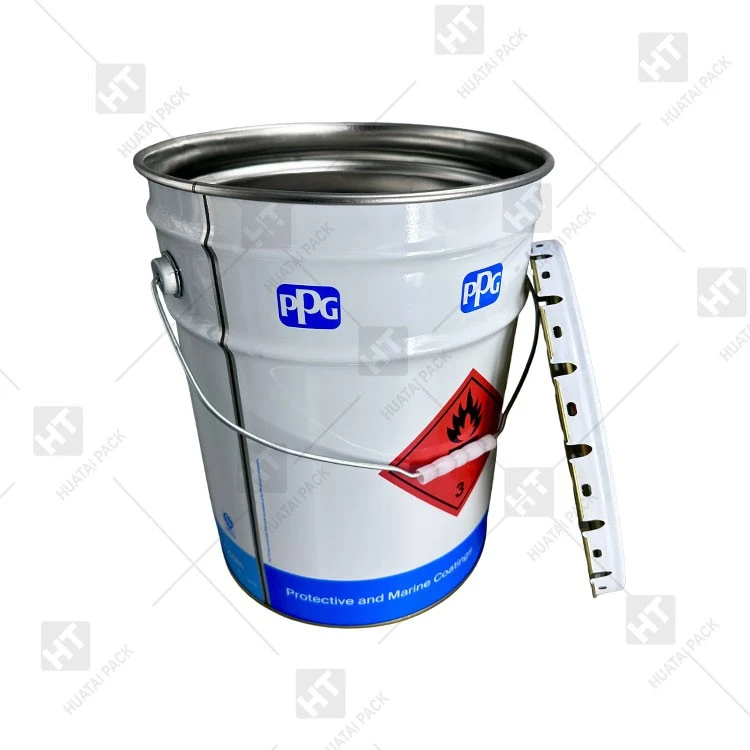
As a supplier of 5 gallon tin pails, we offer a wide range of high - quality products. Check out our Metal 5 Gallon pails, which are sturdy and perfect for various applications. We also have Round Candle Tin Can for those in the candle - making business, and 5L Engine Oil Can for the automotive industry.
If you're interested in purchasing our 5 gallon tin pails or have any questions about sterilization or our products, feel free to reach out to us for a procurement discussion. We're here to help you find the best solution for your needs.
References
- "Food Packaging: Principles and Practice" by Cheryl A. R. Fenaroli
- "Chemical Sterilization: Methods and Applications" by John M. Last
- "Steam Sterilization in Industrial Processes" by David J. Smith