
What is the maximum height I can stack paint cans?
Apr 28, 2026
As a paint can supplier, one question that often comes up in discussions with customers and industry peers is, "What is the maximum height I can stack paint cans?" This seemingly simple query delves into a complex interplay of factors, from the physical properties of the paint cans themselves to the environmental conditions in which they are stored. In this blog post, I'll explore these factors in detail to provide a comprehensive answer to this important question.
Understanding the Basics of Paint Can Design
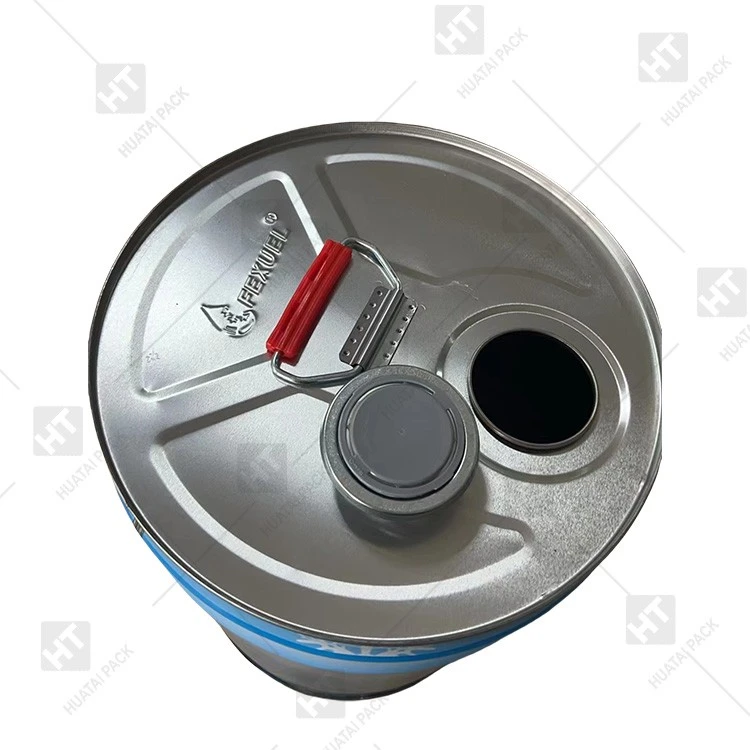
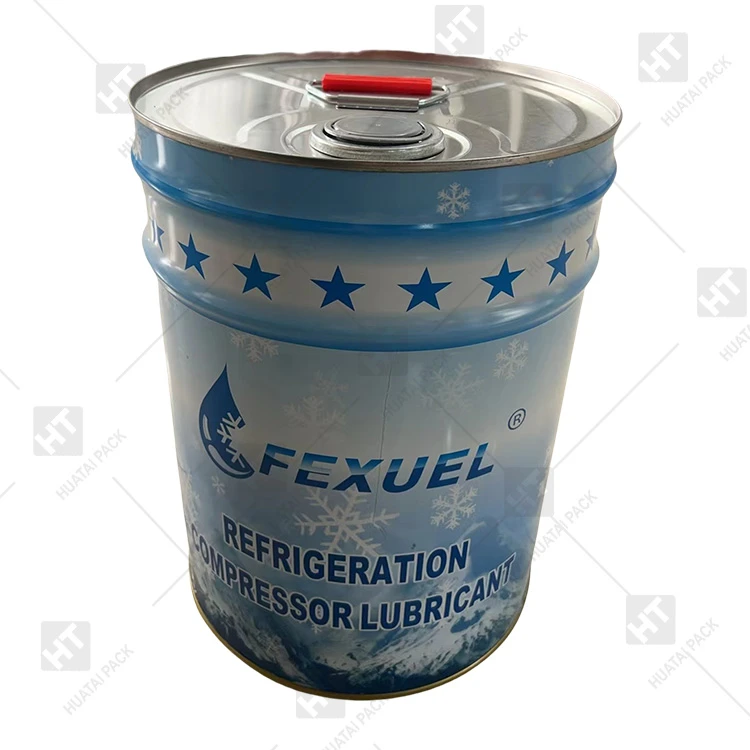
Before we can determine the maximum stacking height, it's essential to understand the different types of paint cans available. At our company, we offer a variety of options, including the Clsoed Metal Drun, 500ml Round Tinplate Can, and 4oz Candle Tins. Each type of can has its own unique design and structural characteristics that influence its stacking capabilities.
Material and Thickness
The material and thickness of the paint can play a crucial role in determining its strength and ability to withstand the weight of stacked cans. Metal cans, such as the Clsoed Metal Drun, are generally more robust than plastic cans and can support a greater amount of weight. The thickness of the metal also affects the can's strength, with thicker cans being able to bear more weight.
Shape and Dimensions
The shape and dimensions of the paint can also impact its stacking stability. Cylindrical cans, like the 500ml Round Tinplate Can, are more stable when stacked vertically compared to rectangular or irregularly shaped cans. Additionally, the diameter and height of the can can affect its center of gravity and overall stability.
Factors Affecting Stacking Height
In addition to the design of the paint can, several other factors can influence the maximum stacking height. These include:
Weight of the Paint
The weight of the paint inside the can is a significant factor in determining the maximum stacking height. Heavier paints, such as those with a high solids content or thick consistency, will exert more pressure on the cans below them. As a result, the stacking height may need to be reduced to prevent the cans from collapsing.
Storage Conditions
The storage conditions, including temperature and humidity, can also affect the stacking height. Extreme temperatures can cause the paint to expand or contract, which can put additional stress on the cans. High humidity levels can lead to corrosion and rust, weakening the cans and reducing their stacking capacity.
Stacking Pattern
The way the paint cans are stacked can also impact their stability. A well-organized stacking pattern, such as a pyramid or columnar arrangement, can distribute the weight evenly and reduce the risk of collapse. On the other hand, a haphazard or irregular stacking pattern can increase the likelihood of the cans toppling over.
Calculating the Maximum Stacking Height
To determine the maximum stacking height for a particular type of paint can, it's important to consider all of the factors mentioned above. One approach is to consult the manufacturer's specifications or guidelines, which may provide information on the maximum stacking height based on the can's design and material.
Another method is to conduct a load testing experiment. This involves stacking a small number of cans and gradually increasing the height until the cans begin to show signs of stress or collapse. By carefully monitoring the cans during the test, you can determine the maximum stacking height that is safe and stable.
Safety Considerations
When stacking paint cans, it's important to prioritize safety. Here are some key safety considerations to keep in mind:
Use a Stable Surface
Ensure that the surface on which the paint cans are stacked is flat, level, and able to support the weight of the cans. Avoid stacking cans on uneven or unstable surfaces, as this can increase the risk of collapse.
Leave Adequate Space
Leave enough space between the stacks of paint cans to allow for easy access and ventilation. This will help prevent the build-up of heat and moisture, which can damage the cans and the paint inside.
Follow Local Regulations
Be aware of any local regulations or guidelines regarding the storage and stacking of paint cans. These regulations may specify the maximum stacking height, the type of storage facilities required, and other safety requirements.
Conclusion
In conclusion, the maximum height at which you can stack paint cans depends on a variety of factors, including the design of the can, the weight of the paint, the storage conditions, and the stacking pattern. By understanding these factors and taking appropriate safety precautions, you can ensure that your paint cans are stored safely and securely.
If you have any questions or need further information about our paint cans or their stacking capabilities, please don't hesitate to contact us. We're here to help you find the right solution for your needs and ensure that your paint storage is both efficient and safe.