

What are the best practices for filling industrial oil cans?
Apr 29, 2026
As a supplier of industrial oil cans, I've witnessed firsthand the importance of proper filling practices in the industry. Filling industrial oil cans is not just about pouring oil into a container; it involves a series of steps and considerations to ensure efficiency, safety, and product quality. In this blog, I'll share some of the best practices for filling industrial oil cans, drawing on my experience in the field.
1. Preparation of the Oil Cans
Before filling, it's crucial to ensure that the oil cans are clean and in good condition. Any dirt, debris, or contaminants in the cans can affect the quality of the oil. Start by inspecting the cans for any signs of damage, such as dents, rust, or leaks. For example, our 1L Metal Empty Oil Can With Plastic Cap is made of high - quality metal, but it still needs a thorough check.
Next, clean the cans using an appropriate cleaning agent. This can be a mild detergent solution for metal cans. Rinse the cans thoroughly with clean water and allow them to dry completely. This step is essential to prevent any chemical reactions between the cleaning agent and the oil.
2. Selecting the Right Filling Equipment
The choice of filling equipment depends on the volume of oil to be filled, the type of oil, and the production rate. For small - scale operations, a manual filling pump may be sufficient. However, for large - scale production, an automated filling machine is more appropriate.
Automated filling machines offer several advantages. They can accurately measure the volume of oil to be filled, reducing waste and ensuring consistency. They also have features such as anti - drip nozzles, which prevent spillage and keep the work area clean. Our 1L Engine Oil Can is designed to work well with a variety of filling equipment, whether manual or automated.
3. Maintaining the Right Temperature
The temperature of the oil can significantly affect its viscosity and flow rate. Most industrial oils have an optimal filling temperature range. For example, some heavy - duty oils may need to be heated to reduce their viscosity and make them easier to pour.
On the other hand, if the oil is too hot, it can cause evaporation and may also damage the oil cans. Therefore, it's important to monitor and control the temperature of the oil during the filling process. Use a thermometer to measure the oil temperature and adjust the heating or cooling systems accordingly.
4. Filling Process
When filling the oil cans, it's important to do it slowly and steadily. This helps to prevent splashing and ensures that the oil is evenly distributed in the can. Start by positioning the filling nozzle at the center of the can opening. This reduces the risk of spillage and ensures that the oil fills the can from the bottom up.
As the can fills, keep an eye on the level of the oil. Overfilling can lead to spillage and may also cause pressure build - up in the can, which can be dangerous. Most filling machines are equipped with level sensors to stop the filling process when the can reaches the desired level.
5. Sealing the Cans
Once the oil cans are filled, they need to be sealed properly to prevent leakage and contamination. The type of seal depends on the design of the can. For our Metal Oil Can Container, a tight - fitting lid or cap is essential.
Use a sealing machine to ensure a secure seal. This machine applies the right amount of pressure to the lid or cap, creating an airtight seal. After sealing, inspect the cans to make sure there are no signs of leakage.
6. Labeling and Documentation
Proper labeling is essential for industrial oil cans. The label should include information such as the type of oil, its viscosity, the date of filling, and any safety warnings. This information helps the end - user to use the oil correctly and safely.
In addition to labeling, it's also important to maintain proper documentation. Keep records of the filling process, including the batch number, the amount of oil filled, and the quality control checks. This documentation can be useful for traceability and quality assurance purposes.
7. Quality Control
Quality control is an integral part of the filling process. Conduct regular checks on the filled oil cans to ensure that they meet the required standards. This can include visual inspections for leaks, measuring the volume of oil in the cans, and testing the oil for its quality.
Randomly select a sample of filled cans and perform tests such as viscosity measurement, chemical analysis, and flash point determination. If any issues are detected, take corrective actions immediately. This may involve adjusting the filling process, replacing faulty equipment, or re - evaluating the quality of the oil.
8. Safety Considerations
Safety should always be a top priority when filling industrial oil cans. The oil is flammable, so it's important to have proper fire - prevention measures in place. This includes having fire extinguishers nearby, ensuring good ventilation in the filling area, and keeping the area free from sources of ignition.
Employees involved in the filling process should be trained on safety procedures. They should wear appropriate personal protective equipment (PPE), such as gloves, goggles, and aprons, to protect themselves from oil spills and splashes.
9. Storage and Transportation
After filling, the oil cans need to be stored and transported properly. Store the cans in a cool, dry place away from direct sunlight and sources of heat. This helps to maintain the quality of the oil and prevent any degradation.
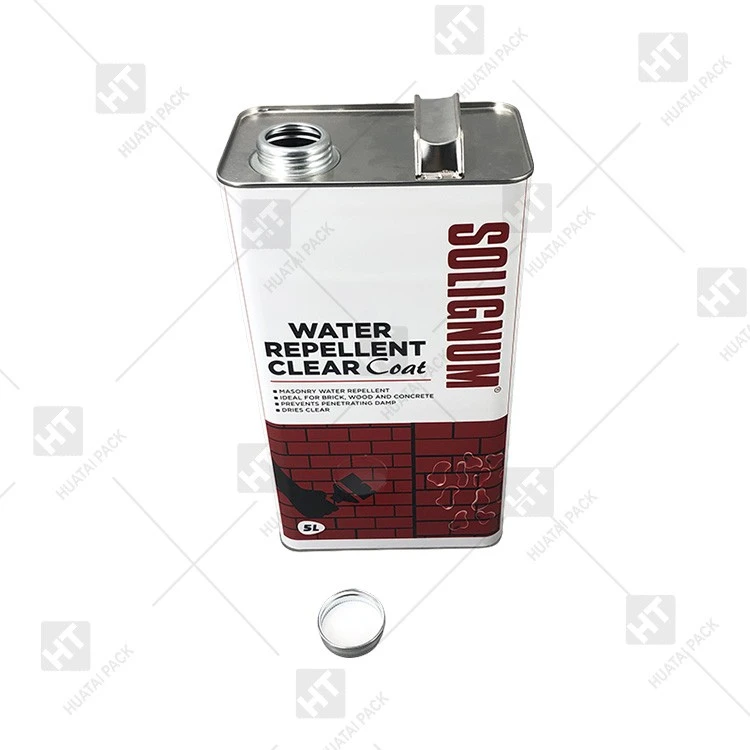

During transportation, make sure the cans are properly secured to prevent them from tipping over or getting damaged. Use appropriate packaging materials to protect the cans from impacts and vibrations.
Conclusion
Filling industrial oil cans requires a combination of proper preparation, the right equipment, and strict quality control. By following these best practices, you can ensure that your oil cans are filled efficiently, safely, and to the highest quality standards.
If you're interested in purchasing high - quality industrial oil cans, we're here to help. Our range of products, including the 1L Metal Empty Oil Can With Plastic Cap, 1L Engine Oil Can, and Metal Oil Can Container, are designed to meet your needs. Contact us to discuss your requirements and start a procurement negotiation.