

What is the history of rings as jewelry?
May 22, 2025
Throughout the annals of human history, rings have held a captivating allure as both functional and ornamental pieces. As a supplier of lids, rings, and bottoms, I've had the privilege of delving deep into the historical significance of these components, especially when it comes to rings used in jewelry. This exploration not only enriches our understanding of human culture but also offers valuable insights into the evolution of craftsmanship and design.
Ancient Origins
The history of rings as jewelry dates back thousands of years to ancient civilizations. In ancient Egypt, rings were not only symbols of wealth and status but also held religious and magical significance. Egyptians crafted rings from a variety of materials, including gold, silver, and semi - precious stones. These rings often featured intricate designs inspired by their mythology, such as images of gods and goddesses, scarabs, and hieroglyphics. The scarab beetle, in particular, was a popular motif as it symbolized rebirth and the cycle of life.
In ancient Mesopotamia, rings were used as seals. They were engraved with unique markings that served as a form of personal identification. When pressed into clay tablets, these rings left an impression that authenticated official documents and transactions. Made primarily from precious metals and stones, these rings were also worn as a sign of power and authority.
The Greeks and Romans also had a profound influence on the history of ring jewelry. The Greeks associated rings with love and friendship. They exchanged rings as tokens of affection, often featuring simple designs with inscriptions. The Romans, on the other hand, took ring - wearing to a new level. They introduced the concept of the betrothal ring, a tradition that continues to this day. Roman rings were often more elaborate, with gemstones such as emeralds, rubies, and sapphires set in gold or silver settings.
Medieval and Renaissance Periods
During the Middle Ages, rings became even more significant, especially in the context of religion and royalty. Bishops and clergy members wore large, ornate rings as a symbol of their office. These rings were often set with precious stones and featured religious imagery. Royalty, too, used rings to display their wealth and power. The signet ring, a type of ring with a unique seal engraved on it, was a common accessory among the nobility. It was used to authenticate official documents and letters.
The Renaissance period saw a revival of interest in classical art and culture. This led to a resurgence in the popularity of ring jewelry, with artisans creating more elaborate and detailed designs. Rings during this time often featured intricate engravings, enamel work, and gemstone settings. The use of diamonds also became more widespread, as new cutting techniques made it possible to enhance their brilliance.
Modern Era
The 19th and 20th centuries brought about significant changes in the world of ring jewelry. The Industrial Revolution made it possible to mass - produce rings, making them more accessible to the general public. This led to the development of new styles and designs, such as the Art Nouveau and Art Deco movements.
Art Nouveau rings were characterized by their organic, flowing designs, inspired by nature. They often featured curved lines, floral motifs, and the use of enamel and semi - precious stones. Art Deco rings, on the other hand, were more geometric and streamlined. They made use of bold colors, diamonds, and other precious stones, reflecting the modernist aesthetic of the time.
In the 20th century, the concept of the engagement ring became firmly established. De Beers' famous marketing campaign "A Diamond is Forever" in the 1940s made diamonds the traditional choice for engagement rings. This trend continues to this day, with diamond engagement rings being a symbol of love and commitment.
Rings in the Context of Our Products
As a supplier of lids, rings, and bottoms, our products are used in a variety of industries, including food and beverage packaging, cosmetics, and more. While our rings may not be the same as the jewelry rings we've discussed, they share a common thread in terms of design, functionality, and craftsmanship.
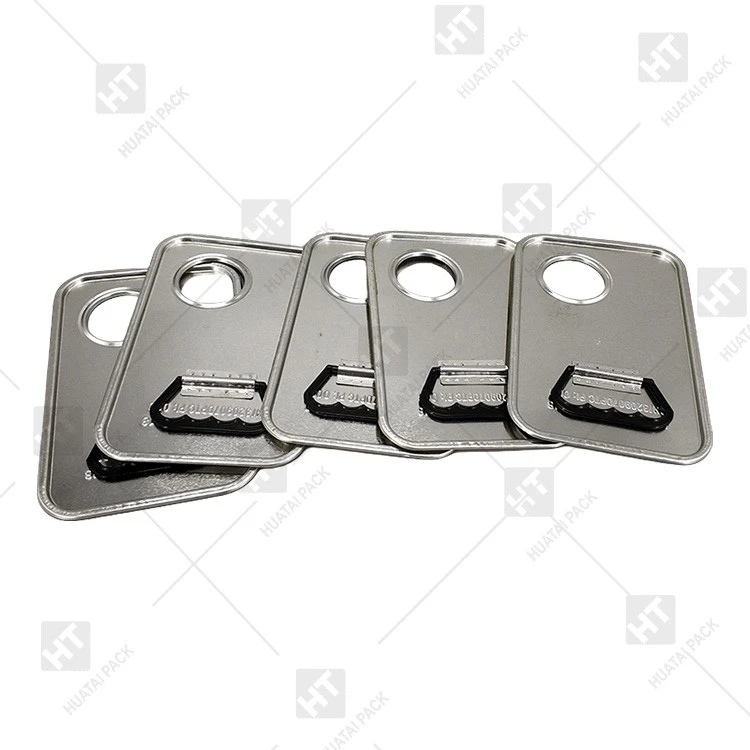
Our 1gallon F Style rings are designed with precision and durability in mind. Just as jewelry rings are crafted to last, our rings are engineered to provide a secure seal for containers, ensuring the freshness and quality of the contents inside. They are made from high - quality materials that can withstand the rigors of transportation and storage.
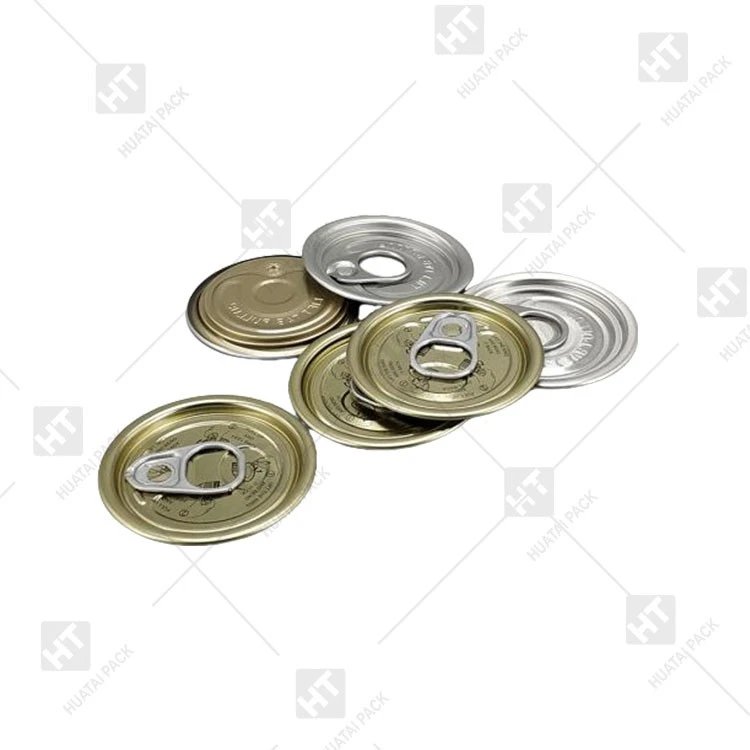
Our Round Tin Can Componens rings are another example of our commitment to quality. These rings are an essential part of tin can packaging, providing a reliable closure system. The design of these rings has evolved over time, just like jewelry rings, to meet the changing needs of the industry.
The Easy Open Lid rings we offer are a testament to our innovation. Similar to how jewelry designers are constantly coming up with new and exciting designs, we are always looking for ways to improve the functionality of our products. These easy - open rings make it convenient for consumers to access the contents of the container, while still maintaining a tight seal.
Conclusion
The history of rings as jewelry is a rich and fascinating tapestry that spans thousands of years. From the ancient Egyptians and Mesopotamians to the modern era, rings have served as symbols of love, power, status, and commitment. As a supplier of lids, rings, and bottoms, we are inspired by this long - standing tradition of craftsmanship and design.
Our products are not just components; they are the result of years of research, development, and innovation. We strive to provide our customers with the highest quality rings that meet their specific needs. Whether you are in the food and beverage industry, cosmetics, or any other sector that requires reliable packaging solutions, we are here to help.
If you are interested in learning more about our products or would like to discuss a potential procurement, please feel free to reach out. We look forward to the opportunity to work with you and contribute to the success of your business.
References
- Bard, "A History of Jewelry: From Ancient Times to the Present," Thames & Hudson, 2006.
- Cassidy, "The Complete Guide to Jewelry Making," Lark Books, 2010.
- Campbell, "Jewelry Design: A Visual Guide," Schiffer Publishing, 2015.