

What is the heat resistance of tight head pails?
Sep 10, 2026
What is the heat resistance of tight head pails?
As a supplier of tight head pails, I often encounter inquiries from customers regarding the heat resistance of these products. Understanding the heat - resistant properties of tight head pails is crucial for various industries, as it determines the suitability of these containers for specific applications. In this blog post, I will delve into the concept of heat resistance in tight head pails, exploring the factors that influence it and providing real - world insights.
Understanding Tight Head Pails
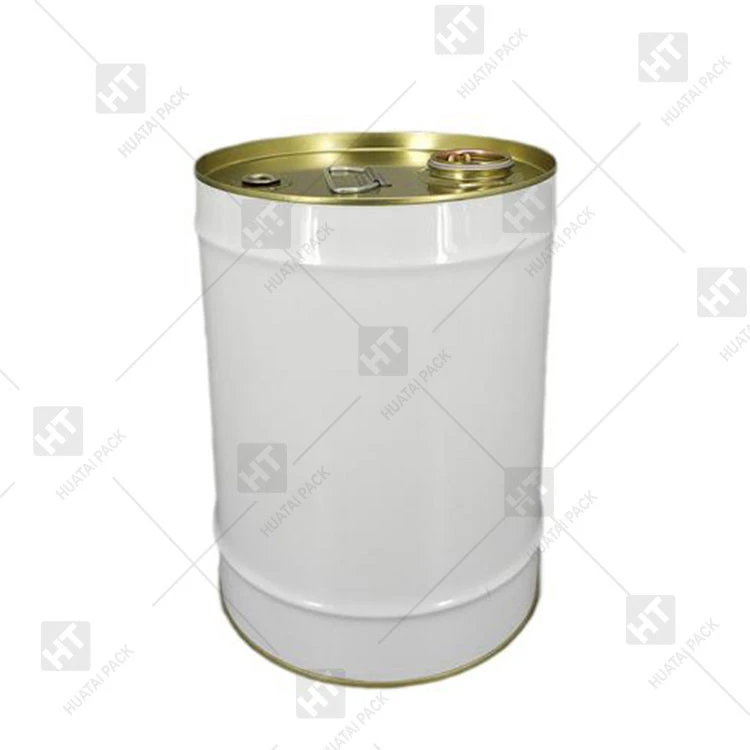
Tight head pails are a type of container with a secure, airtight lid that is typically sealed tightly to prevent leakage. They are available in various materials, including metal and plastic, and sizes, such as the popular 5gallon Metal Pail. These pails are used in a wide range of industries, from food and beverage to chemicals and paints, where the contents need to be stored safely and securely.
Factors Affecting Heat Resistance
Material Composition
The material of the tight head pail is the most significant factor affecting its heat resistance.
- Metal Pails: Metal, particularly steel, is known for its relatively high heat resistance. Steel tight head pails can withstand elevated temperatures without significant deformation or structural failure. For example, Metal Drum For Engine Oil made of steel can handle the heat generated during the storage and transportation of engine oil, which may reach moderately high temperatures. The heat resistance of steel pails depends on the type of steel used, with some high - grade steels offering better performance at extreme temperatures.
- Plastic Pails: Plastic tight head pails have a lower heat resistance compared to metal ones. Different types of plastics have different melting points and heat - deflection temperatures. For instance, polyethylene (PE) pails, a common type of plastic pail, have a relatively low melting point. Exposure to high temperatures can cause PE pails to soften, deform, or even melt, leading to potential leakage of the contents. However, some engineered plastics, such as polypropylene (PP), offer better heat resistance than PE and can be used in applications where slightly higher temperatures are expected.
Wall Thickness
The thickness of the pail's walls also plays a role in its heat resistance. Thicker walls can provide better insulation and can withstand higher temperatures without rapid heat transfer to the contents. In metal pails, a thicker gauge of steel can enhance the overall heat - resistant capabilities. For plastic pails, a greater wall thickness can slow down the softening process when exposed to heat.
Design and Construction
The design of the tight head pail, including the shape and the way the lid is attached, can impact heat resistance. A well - designed pail with a tight - fitting lid can prevent the ingress of heat and the escape of vapors. For example, Closed Metal Pail with a proper sealing mechanism can maintain its integrity at higher temperatures better than a pail with a poorly designed or loose - fitting lid.
Heat Resistance Ratings and Standards
In the industrial world, there are certain standards and ratings for the heat resistance of containers. However, these standards can vary depending on the industry and the intended use of the pail. For example, in the food industry, pails used for storing hot food products need to meet specific safety and heat - resistance standards to ensure that they do not release harmful substances into the food. In the chemical industry, pails for storing heat - sensitive chemicals must be able to withstand the temperatures associated with the storage and handling conditions of those chemicals.
Manufacturers usually provide heat - resistance specifications for their tight head pails. These specifications may include the maximum temperature the pail can withstand for a certain period of time without significant damage. It's essential for customers to carefully review these specifications when selecting a pail for their specific application.
Real - World Applications and Heat - Resistance Requirements
Food and Beverage Industry
In the food and beverage industry, tight head pails are used for storing and transporting various products, such as syrups, sauces, and dairy products. Some of these products may require heating during processing or storage. For example, maple syrup is often heated to a certain temperature for bottling. Pails used in this process need to be able to withstand the heating temperature without deforming or contaminating the product. Metal pails are often preferred in such applications due to their high heat resistance.
Chemical Industry
The chemical industry deals with a wide range of substances, many of which are heat - sensitive. Some chemicals may react violently if exposed to high temperatures, while others may degrade or lose their effectiveness. Tight head pails used for storing chemicals need to be selected based on their heat - resistance properties to ensure the safety and integrity of the chemicals. For example, pails used for storing solvents that have a low boiling point need to have sufficient heat resistance to prevent evaporation and leakage.
Paint and Coating Industry
In the paint and coating industry, tight head pails are used to store and transport paint products. Paint can be sensitive to temperature changes, and exposure to high temperatures can cause the paint to thicken, separate, or lose its quality. Pails with good heat resistance are required to maintain the consistency and quality of the paint during storage and transportation.
Testing the Heat Resistance of Tight Head Pails
Manufacturers often conduct various tests to determine the heat resistance of their tight head pails. These tests may include exposing the pails to different temperatures for specific periods and then evaluating the pails for any signs of damage, such as deformation, cracking, or leakage. Some tests may also measure the heat transfer rate through the pail walls to assess the insulation properties.
Customers can also perform simple in - house tests if necessary. For example, they can place a small amount of a non - hazardous substance similar to the intended contents in the pail and heat it to a controlled temperature to observe the pail's performance. However, it's important to note that these in - house tests may not provide the same level of accuracy as professional testing.
Conclusion and Call to Action
In conclusion, the heat resistance of tight head pails is a complex characteristic that depends on multiple factors, including material composition, wall thickness, and design. Understanding these factors is crucial for selecting the right pail for your specific application. Whether you are in the food, chemical, or paint industry, choosing a pail with appropriate heat - resistance properties can ensure the safety and quality of your products.

If you are in the market for tight head pails and need more information about their heat resistance or other properties, feel free to reach out to us. Our team of experts is ready to assist you in selecting the most suitable pails for your needs. We can provide detailed product specifications, answer your questions, and even offer customized solutions. Contact us today to start a discussion about your procurement needs.