

How do I store an f style oil can in a shed?
Sep 10, 2026
Hey there! I'm a supplier of f style oil cans, and I often get asked about the best way to store these cans in a shed. It's a crucial question because proper storage not only ensures the quality of the oil but also keeps your shed organized and safe. So, let's dive into how you can store an f style oil can in a shed.
Choosing the Right Location in the Shed
First things first, you gotta pick the right spot in your shed for storing the f style oil cans. You want to find an area that's cool and dry. Extreme temperatures can mess with the oil inside the cans. If it gets too hot, the oil might expand, and if it's too cold, it could thicken. Neither of these scenarios is good for the oil's quality.
Also, make sure the location is away from any sources of heat or direct sunlight. That includes things like heaters, hot water pipes, or areas that get a lot of sun through the shed windows. A corner that's shaded and well - ventilated is usually a great choice. This way, you can prevent the oil from degrading over time.
Organizing Your Storage Space
Now, let's talk about how to actually organize these cans in the shed. You can use shelves to stack the f style oil cans neatly. Start by placing the larger cans at the bottom. For instance, if you have 18L Square Tinplate Barrel Cans, they should go on the lower shelves. This makes sure the stack is stable and reduces the risk of the cans toppling over.
For smaller cans like 1L 4L Square Tin Can, you can place them on the upper shelves. It's also a good idea to group the cans based on their contents. If you have engine oil cans and paint cans, keep them separate. This not only makes it easier to find what you need but also prevents any potential cross - contamination.
Protecting the Cans from Damage
In a shed, there are lots of things that could potentially damage the f style oil cans. Tools, equipment, or even animals can cause dents or punctures. To protect the cans, you can use a storage crate or a cabinet. A sturdy cabinet with a lock can keep the cans safe from accidental bumps and also prevent unauthorized access.
If you don't have a cabinet, you can line the shelves with a soft material like foam or rubber matting. This provides a cushioning effect and reduces the chances of the cans getting scratched or dented. You should also check the cans regularly for any signs of damage. If you notice a dent or a leak, it's important to deal with it right away to avoid spills.
Preparing for Emergencies
Even with the best storage methods, accidents can happen. That's why it's important to be prepared for emergencies. Keep a spill kit in the shed. A basic spill kit includes absorbent materials like sawdust or kitty litter, a broom, and a dustpan. If an f style oil can leaks or spills, you can quickly clean it up using these materials.
It's also a good idea to have a fire extinguisher in the shed, especially if you're storing engine oil. Oil is flammable, and in case of a fire, a fire extinguisher can be a lifesaver. Make sure you know how to use it properly.
Rotating Your Stock
If you're a supplier like me, you might have a large inventory of f style oil cans. It's important to rotate your stock regularly. Use the "first in, first out" principle. This means that the cans that have been in the shed the longest should be used or sold first. This helps to ensure that the oil doesn't sit in the cans for too long and lose its quality.
You can label the cans with the date of arrival in the shed. This makes it easier to keep track of which cans are the oldest. Rotating your stock also helps to manage your inventory more effectively and reduces the risk of having to throw away expired or degraded oil.
Selecting the Right F Style Oil Cans
When it comes to storing in the shed, not all f style oil cans are created equal. You want to choose cans that are made of high - quality materials. For example, Engine Oil Square Tin Cans are a great option. Tin is durable and resistant to corrosion, which means it can protect the oil inside better.
If you're storing paint, F Style Paint Tin Can is an ideal choice. These cans are designed to keep the paint fresh and prevent it from drying out. They also have a tight - fitting lid to prevent any spills.
Maintaining the Cans
Regular maintenance of the f style oil cans is also important. Check the lids regularly to make sure they're properly sealed. A loose lid can let air and moisture in, which can damage the oil. If you notice that a lid is damaged, replace it as soon as possible.
You should also clean the outside of the cans occasionally. Dust and dirt can accumulate on the cans, and over time, this could even lead to corrosion. A simple wipe - down with a damp cloth can keep the cans looking good and in good condition.
Security Considerations
Security is another aspect to consider when storing f style oil cans in a shed. As I mentioned earlier, a locked cabinet is a great way to keep the cans safe. If your shed has a door, make sure it's also secure. You can use a good quality lock to prevent unauthorized entry.
Some people even install security cameras in their sheds. This might seem a bit extreme, but if you have a large inventory of valuable f style oil cans, it can be a good investment. It can help you keep an eye on the shed and detect any potential theft or damage.
Conclusion
Storing f style oil cans in a shed isn't rocket science, but it does require some thought and planning. By choosing the right location, organizing the space, protecting the cans from damage, preparing for emergencies, rotating your stock, selecting the right cans, maintaining them, and considering security, you can ensure that your oil cans stay in good condition for a long time.
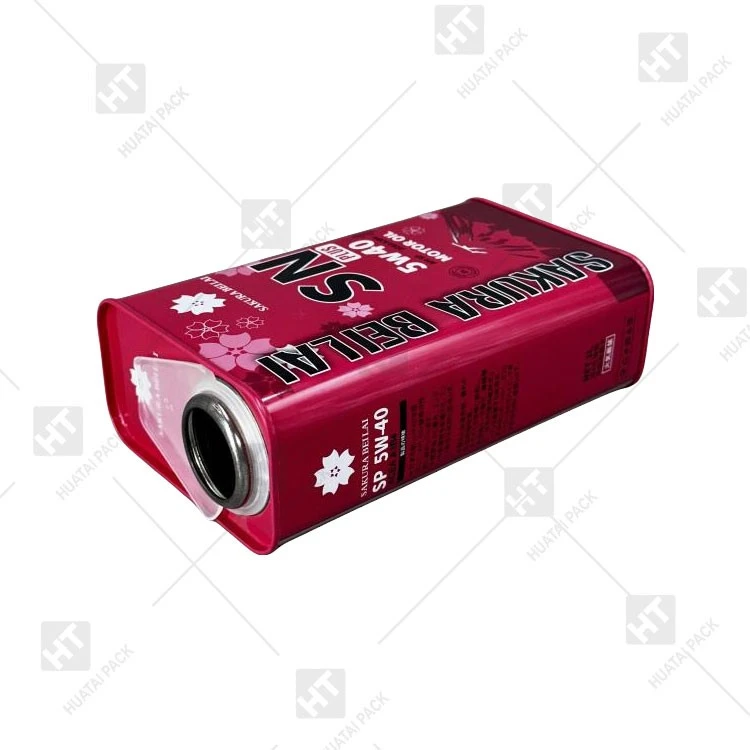
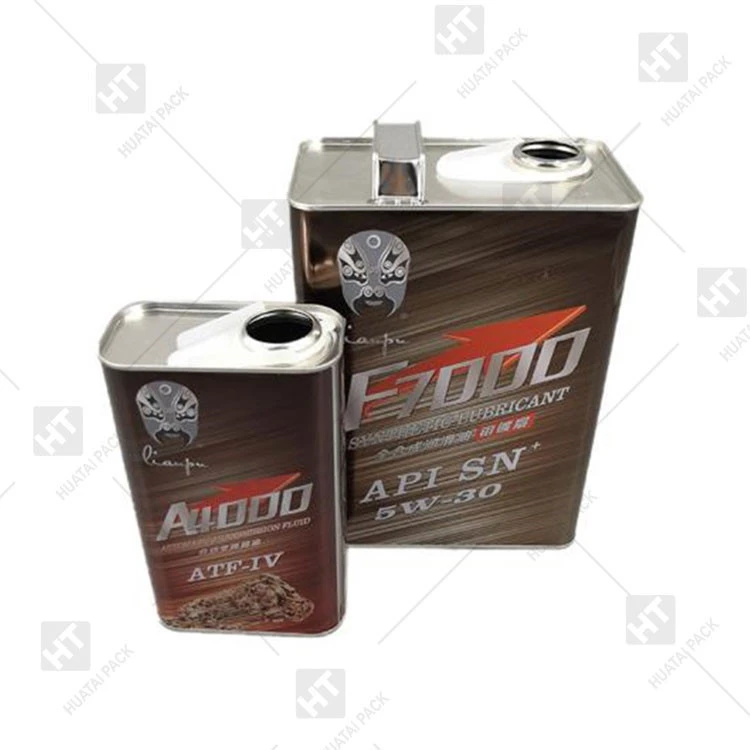
If you're interested in purchasing high - quality f style oil cans for your business or personal use, we have a wide range of options available. Whether you need Engine Oil Can or F Style Paint Tin Can, we've got you covered. Don't hesitate to reach out to us for a discussion on your specific needs. Let's work together to find the best solutions for your oil can storage and usage requirements.