

What is the flexibility of different lid materials?
Aug 15, 2025
What is the flexibility of different lid materials?
As a leading supplier of lids, rings, and bottoms, I've had the privilege of working with a wide array of materials, each offering unique flexibility characteristics. Flexibility in lid materials is a crucial factor that impacts various aspects of packaging, from functionality and durability to environmental impact. In this blog, I'll explore the flexibility of different lid materials and how they can meet diverse packaging needs.
Plastic Lids
Plastic is one of the most commonly used materials for lids due to its versatility and cost - effectiveness. Polypropylene (PP) and polyethylene (PE) are two popular types of plastics used in lid manufacturing.
PP lids are known for their high stiffness and excellent chemical resistance. They have a relatively low degree of flexibility compared to some other plastics, which makes them suitable for applications where a rigid seal is required. For example, in the food industry, PP lids are often used for containers of dry goods such as cereals or nuts. The stiffness of the lid helps to maintain the integrity of the package and prevent the contents from spilling.
On the other hand, PE lids are more flexible. Low - density polyethylene (LDPE) in particular offers a high degree of pliability. This flexibility allows the lid to conform easily to the shape of the container, providing a tight and secure fit. LDPE lids are commonly used for squeeze bottles, such as those for condiments like ketchup or mustard. The flexibility enables the lid to be easily opened and closed, even with repeated use.
Another advantage of plastic lids is their ability to be molded into various shapes. This flexibility in design allows for the creation of custom - shaped lids that can enhance the aesthetic appeal of the product. For instance, some cosmetic products use uniquely shaped plastic lids to differentiate themselves in the market. However, plastic lids also have some drawbacks. They are not biodegradable, which raises environmental concerns. As a supplier, we are constantly exploring ways to make our plastic lids more sustainable, such as using recycled plastics.
Metal Lids
Metal lids, typically made of aluminum or tinplate, offer a different set of flexibility characteristics. Aluminum lids are lightweight and have good corrosion resistance. They are relatively flexible in the sense that they can be easily formed into different shapes during the manufacturing process. For example, aluminum is commonly used for beverage cans. The lid can be shaped to fit the can precisely, and it also has a thin enough profile to be easily opened by consumers.
Tinplate lids, on the other hand, are more rigid. They are often used for products that require a high - strength seal, such as canned food. The stiffness of tinplate lids helps to protect the contents from external factors like air and moisture, ensuring a long shelf - life. However, the lack of flexibility can also be a limitation in some cases. For example, it may be more difficult to open a tinplate lid compared to a more flexible plastic or aluminum lid.
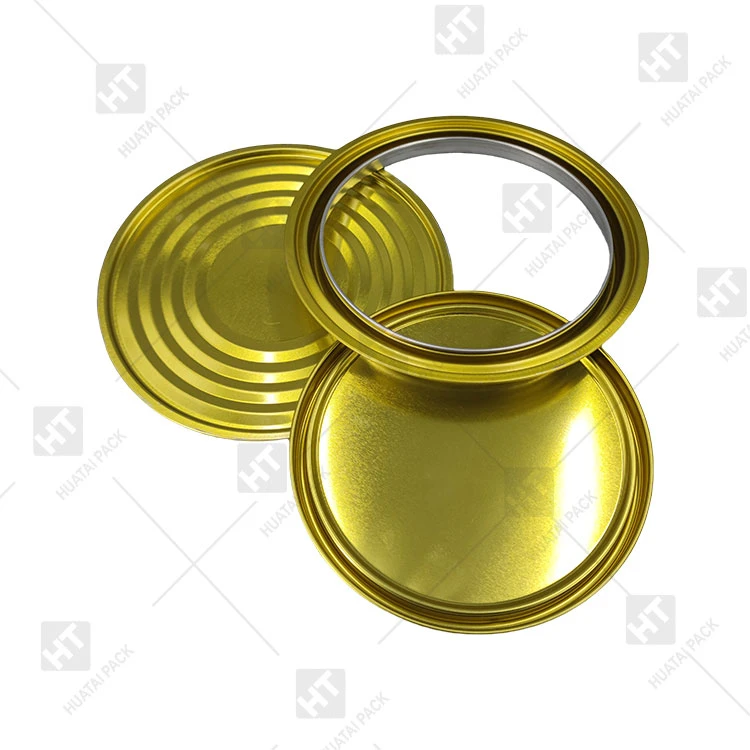
Metal lids also offer the advantage of being recyclable. This makes them a more environmentally friendly option compared to some plastics. At our company, we supply a range of metal lids, including those for 1gallon F Style containers. These lids are designed to provide a secure and reliable seal, while also being recyclable.
Paperboard Lids
Paperboard is a sustainable alternative to plastic and metal lids. It is made from renewable resources and is biodegradable. Paperboard lids have a certain degree of flexibility, which allows them to be folded and shaped easily. They are commonly used for food containers, such as take - out boxes for sandwiches or salads.
The flexibility of paperboard lids makes them easy to assemble and attach to the container. They can also be printed with high - quality graphics, which helps to enhance the branding of the product. However, paperboard lids have limitations in terms of moisture resistance. If exposed to excessive moisture, the paperboard can become weak and lose its shape. To address this issue, we often apply a coating to the paperboard to improve its moisture - barrier properties.
Glass Lids
Glass lids are known for their transparency and high - quality appearance. They are relatively rigid compared to plastic or paperboard lids. However, they do offer a certain level of flexibility in terms of design. Glass can be molded into different shapes, and it can also be decorated with various techniques, such as etching or painting.
Glass lids are commonly used for high - end food products, such as jars of preserves or fine wines. The transparency of the glass allows consumers to see the contents of the container, which can be an important marketing feature. However, glass lids are heavier and more fragile than other materials. This requires careful handling during transportation and storage.
Flexibility in Relation to Packaging Applications
The choice of lid material and its flexibility is closely related to the specific packaging application. For products that require a hermetic seal, such as pharmaceuticals or some types of food, a more rigid lid material like metal or a high - stiffness plastic may be preferred. The stiffness helps to maintain the integrity of the seal and prevent the entry of contaminants.
For products that need to be easily opened and closed, such as consumer goods like shampoo bottles or snack containers, a more flexible lid material like plastic or aluminum is often a better choice. The flexibility allows for convenient use by the end - user.
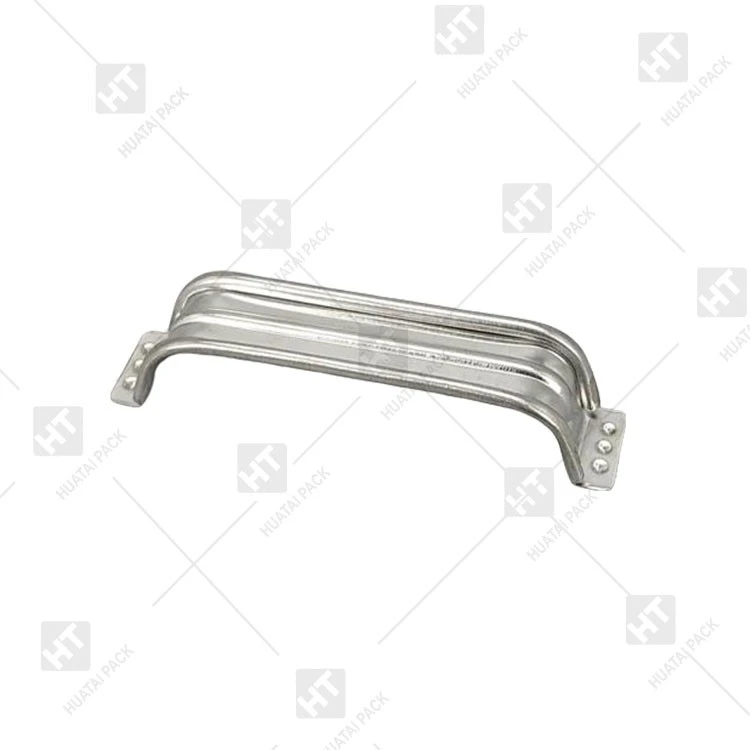
In addition, the environmental impact of the lid material is becoming an increasingly important consideration. Many consumers are now more conscious of the environmental footprint of the products they purchase. As a supplier, we offer a range of sustainable lid options, including those made from recycled materials and biodegradable substances. We also supply Accessories For Metal Packing that are designed to be environmentally friendly.
Conclusion
The flexibility of different lid materials plays a vital role in the packaging industry. Each material, whether it's plastic, metal, paperboard, or glass, offers unique flexibility characteristics that can be tailored to specific packaging needs. As a lid, ring, and bottom supplier, we understand the importance of providing high - quality products that meet the diverse requirements of our customers.
If you are in the market for lids, rings, or bottoms for your packaging needs, we invite you to reach out to us. We have a wide range of products available, including Round Tin Can Componens, and our team of experts can help you choose the right materials and designs for your products. Whether you need a rigid lid for a long - shelf - life product or a flexible lid for easy - to - use consumer goods, we are here to assist you. Contact us today to start a discussion about your packaging requirements.
References
- Packaging Technology and Science: A Comprehensive Guide, John Wiley & Sons, 2019
- Handbook of Plastic Films, William Andrew Publishing, 2018
- Metal Packaging: Technology and Innovation, Woodhead Publishing, 2020