

What is the drying time of the paint in a pint paint can?
Sep 01, 2025
When it comes to the world of paint, one crucial factor that often gets overlooked is the drying time of paint in a pint paint can. As a supplier of pint paint cans, I've had the opportunity to delve deep into this topic and understand the various elements that influence the drying process. In this blog post, I'll share my insights on what affects the drying time of paint in a pint paint can and how you can manage it effectively.
Understanding the Basics of Paint Drying
Before we dive into the factors that affect drying time, it's essential to understand the basic process of paint drying. Paint drying is a complex chemical process that involves two main stages: evaporation and curing. During the evaporation stage, the solvents in the paint evaporate, leaving behind the pigments and binders. This is the stage where the paint starts to feel dry to the touch. The curing stage, on the other hand, is a chemical reaction where the binders in the paint cross - link and harden, forming a durable film.
Factors Affecting the Drying Time of Paint in a Pint Paint Can
1. Type of Paint
The type of paint you use plays a significant role in determining the drying time. Different types of paints have different chemical compositions, which means they dry at different rates. For example, water - based paints generally dry faster than oil - based paints. Water - based paints can dry to the touch in as little as 30 minutes to an hour, while oil - based paints can take up to 6 - 8 hours to dry to the touch and even longer to fully cure.
2. Environmental Conditions
The environment in which the paint is applied has a profound impact on its drying time. Temperature, humidity, and air circulation are the three key environmental factors to consider.
- Temperature: Higher temperatures generally speed up the drying process. Most paints dry best at temperatures between 60°F and 85°F (15°C - 29°C). If the temperature is too low, the solvents in the paint will evaporate more slowly, which can significantly extend the drying time.
- Humidity: High humidity can slow down the drying process, especially for water - based paints. When the air is saturated with moisture, it becomes more difficult for the water in the paint to evaporate. In humid conditions, it may take longer for the paint to dry to the touch and fully cure.
- Air Circulation: Good air circulation helps to remove the solvents from the paint and replace them with fresh air. This can speed up the evaporation process and reduce the drying time. Using fans or opening windows can improve air circulation and help the paint dry faster.
3. Thickness of the Paint Layer
The thickness of the paint layer also affects the drying time. A thicker layer of paint will take longer to dry than a thinner layer. When applying paint, it's important to follow the manufacturer's recommendations for the ideal thickness of the paint layer. Applying multiple thin coats is often better than applying one thick coat, as each thin coat will dry more quickly and result in a smoother finish.
4. Quality of the Paint Can
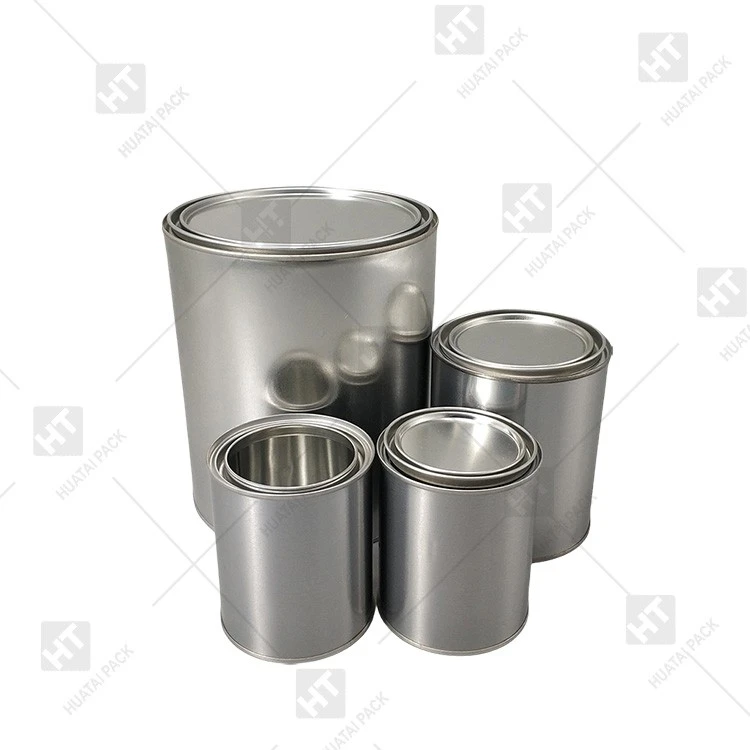
The quality of the paint can itself can also have an impact on the drying time. A well - designed paint can, such as our Round Can For Paint, is made of materials that are resistant to corrosion and can protect the paint from external factors. A good paint can should also have a tight - fitting lid to prevent air and moisture from getting in, which can affect the paint's drying properties.
Measuring and Managing Drying Time
As a supplier of pint paint cans, I understand the importance of providing accurate information about drying time to our customers. To measure the drying time of paint in a pint paint can, you can conduct simple tests. One common method is to apply a small amount of paint on a test surface and use a drying time recorder. This device can measure the time it takes for the paint to reach different stages of drying, such as dry - to - the - touch and fully cured.

To manage the drying time effectively, here are some tips:
- Choose the Right Paint: Select a paint that suits your project and the environmental conditions. If you need a quick - drying paint, consider using a water - based paint.
- Control the Environment: Try to paint in an environment with optimal temperature, humidity, and air circulation. If necessary, use a dehumidifier or a heater to adjust the conditions.
- Apply Thin Coats: Apply multiple thin coats of paint instead of one thick coat. This will not only reduce the drying time but also improve the overall finish of the paint job.
Our Range of Pint Paint Cans
At our company, we offer a wide range of high - quality pint paint cans, including Round Metal Tin Paint Cans and 1quart Paint Can. Our paint cans are designed to meet the needs of different customers and industries. They are made of durable materials and are available in various sizes and styles.
Whether you are a professional painter or a DIY enthusiast, our paint cans can provide the perfect solution for storing and applying paint. Our team of experts is always ready to provide you with advice on choosing the right paint can and managing the drying time of your paint.
Conclusion
The drying time of paint in a pint paint can is influenced by several factors, including the type of paint, environmental conditions, thickness of the paint layer, and the quality of the paint can. By understanding these factors and taking the necessary steps to manage them, you can ensure that your paint dries properly and achieves the best possible finish.
If you are interested in purchasing our high - quality pint paint cans or have any questions about paint drying time, please feel free to contact us for a procurement discussion. We look forward to working with you and helping you achieve your painting goals.
References
- "The Chemistry of Paint Drying," Journal of Coatings Technology.
- "Factors Affecting Paint Drying Time," Paint Manufacturer's Handbook.
- "Best Practices for Applying Paint," Home Improvement Magazine.