

Can I use a 3l olive oil can for making pasta sauce?
Sep 01, 2025
Hey there! I'm a supplier of 3L olive oil cans, and I often get asked this question: "Can I use a 3L olive oil can for making pasta sauce?" Well, let's dig into this topic and find out.
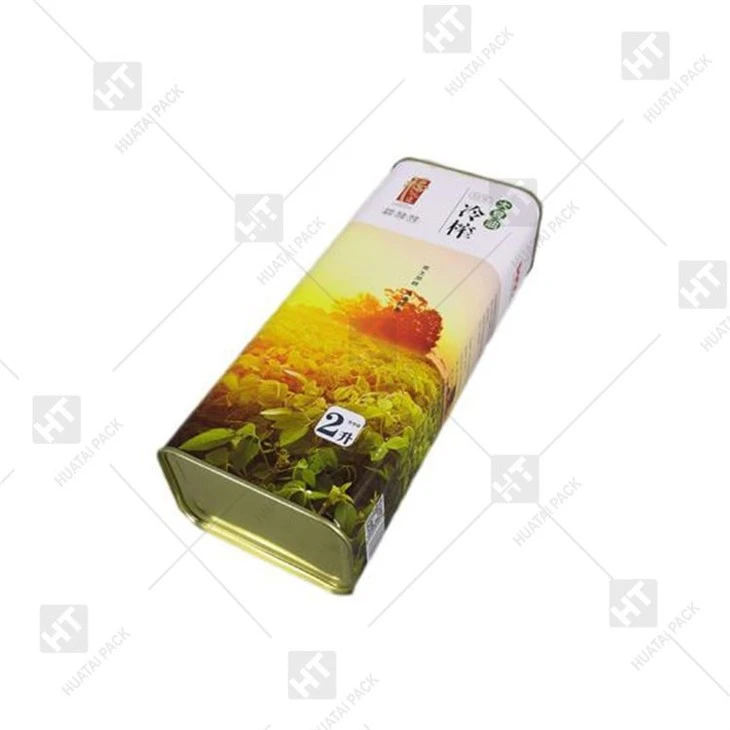

First off, let's talk about the 3L olive oil can itself. I've been in the business of supplying these cans for a while now, and I know they're made of high - quality materials. These cans are designed to store olive oil safely, protecting it from light, air, and moisture. The 3L size is quite handy. It's big enough to hold a good amount of olive oil, but not so huge that it's difficult to handle. If you're interested in getting your hands on these cans, you can check out the 3L USA Empty Olive Oil Tin Can.
Now, back to the question of using it for pasta sauce. One of the main things to consider is the material of the can. Most 3L olive oil cans are made of tinplate with a food - grade lining. This lining is crucial because it prevents the metal from reacting with the contents inside. Pasta sauce is often acidic, thanks to the tomatoes in it. An acidic environment can cause metal to corrode over time, which is not only bad for the can but also for the sauce. The good news is that the food - grade lining in these cans is designed to withstand the acidity of foods like pasta sauce.
Another aspect is the size. A 3L can gives you plenty of space to make a large batch of pasta sauce. If you're cooking for a big family or planning to store some sauce for later, this size is perfect. You can make enough sauce to last you for several meals or even freeze some for future use.
However, there are a few things you need to keep in mind. Once you've used the can for pasta sauce, it's important to clean it thoroughly if you plan to use it again. Pasta sauce can leave behind residue, and if not cleaned properly, it can lead to the growth of bacteria. You should wash the can with hot, soapy water and then rinse it well. Make sure to dry it completely before storing it or using it again.
Let's also talk about some alternatives. If you don't need a 3L can, we also offer 1L Olive Oil Square Tin Can and 2L Olive Oil Can. These smaller sizes are great if you're making a smaller batch of pasta sauce or if you have limited storage space.
Now, let's get into the process of making pasta sauce in a 3L can. First, you'll need to sterilize the can. You can do this by boiling the can in water for about 10 - 15 minutes. This will kill any bacteria that might be present. After sterilizing, let the can cool down completely.
Next, start making your pasta sauce. You can use your favorite recipe, but a basic one usually includes tomatoes, onions, garlic, olive oil, and some herbs. Once your sauce is ready, carefully pour it into the sterilized 3L can. Leave some headspace at the top to allow for expansion if you're planning to store the sauce in the freezer.
Seal the can tightly. If you're storing the sauce at room temperature, it's a good idea to use a can sealer to ensure an airtight seal. This will help keep the sauce fresh for a longer time.
One thing to note is that while the can is suitable for making and storing pasta sauce, it's not ideal for cooking the sauce directly in the can. The can is designed for storage, not for direct heat. You should cook the sauce in a pot on the stove and then transfer it to the can.
In terms of storage, if you're storing the sauce in the refrigerator, it should last for about a week. If you're freezing it, it can last for several months. Just make sure to label the can with the date of preparation so you know how long it's been stored.
So, to answer the question, yes, you can use a 3L olive oil can for making pasta sauce. It's a practical and convenient option, especially if you're looking to make a large batch.
If you're interested in purchasing our 3L olive oil cans or any of our other can sizes, feel free to reach out for a procurement discussion. We're always happy to help you find the right can for your needs.
References
- General knowledge on food storage in cans
- Industry standards for food - grade can linings