

What is the drying time of the glue in a 4oz can?
May 14, 2025
As a supplier of 4oz glue cans, I often get asked about the drying time of the glue inside these cans. The drying time of glue is a crucial factor that can significantly impact its usability and effectiveness in various applications. In this blog post, I'll delve into the factors that influence the drying time of glue in a 4oz can and provide some general guidelines to help you understand this process better.
Understanding Glue Drying Mechanisms
Before we discuss the drying time, it's important to understand how glue dries. There are two primary mechanisms: evaporation and chemical reaction.
Evaporation
Many glues, especially water - based and solvent - based ones, dry through evaporation. In water - based glues, water is the carrier that keeps the adhesive components in a liquid state. As the water evaporates into the surrounding air, the glue thickens and eventually hardens. Solvent - based glues work in a similar way, where the solvent evaporates, leaving behind a solid adhesive.
Chemical Reaction
Some glues, such as epoxy and polyurethane glues, dry through a chemical reaction. These glues typically consist of two or more components that, when mixed together, react to form a strong bond. The drying time in this case is determined by the speed of the chemical reaction, which can be affected by factors like temperature and humidity.
Factors Affecting Drying Time
Type of Glue
Different types of glue have different drying times. For example, cyanoacrylate (super glue) is known for its extremely fast drying time, often bonding within seconds. On the other hand, epoxy glues can take several hours to fully cure. In a 4oz can, if it contains a fast - drying glue like super glue, you can expect it to set quickly once applied. However, if it's a slow - curing epoxy, patience is required.
Temperature
Temperature plays a significant role in the drying process. Higher temperatures generally speed up evaporation and chemical reactions. For water - based glues, warmer air can help the water evaporate more quickly. In the case of chemically reactive glues, heat can accelerate the reaction rate. For instance, if you're using a glue in a hot environment, say around 80 - 90°F (27 - 32°C), it will dry faster than in a cold room at 50°F (10°C).
Humidity
Humidity levels in the air can also affect glue drying time. High humidity means there is more moisture in the air, which can slow down the evaporation process for water - based glues. In a humid environment, the water in the glue has a harder time evaporating into the already moisture - saturated air. For solvent - based glues, humidity can also have an impact on the evaporation rate of the solvent.
Thickness of the Glue Layer
The thickness of the glue layer applied is another important factor. A thin layer of glue will dry faster than a thick one. This is because there is less material to dry, and the evaporation or chemical reaction can occur more quickly throughout the thinner layer. When using glue from a 4oz can, make sure to apply an appropriate thickness for the best results.
Ventilation
Good ventilation helps in the drying process by removing the evaporated moisture or solvent from the surrounding area. In a well - ventilated space, the air can carry away the water or solvent vapor, allowing the glue to dry more efficiently. In a poorly ventilated area, the vapor can accumulate around the glue, slowing down the drying process.
General Drying Time Estimates
Water - Based Glues
For water - based glues in a 4oz can, a thin layer (about 0.01 - 0.02 inches or 0.25 - 0.5 mm) may dry to the touch in 15 - 30 minutes under normal room conditions (around 70°F or 21°C and 40 - 50% humidity) with good ventilation. However, it may take 24 hours or more to fully cure and reach its maximum strength.
Solvent - Based Glues
Solvent - based glues usually dry faster than water - based ones. A thin layer of solvent - based glue can dry to the touch in 5 - 15 minutes. Complete curing may take a few hours to a day, depending on the type of solvent and the glue formulation.
Chemically Reactive Glues
Epoxy glues often have a longer drying time. A thin layer may start to set in 30 minutes to an hour, but it can take 24 - 72 hours to fully cure. Polyurethane glues also have a relatively long curing time, typically taking 24 hours or more.
How Our 4oz Glue Cans Are Designed to Ensure Optimal Drying
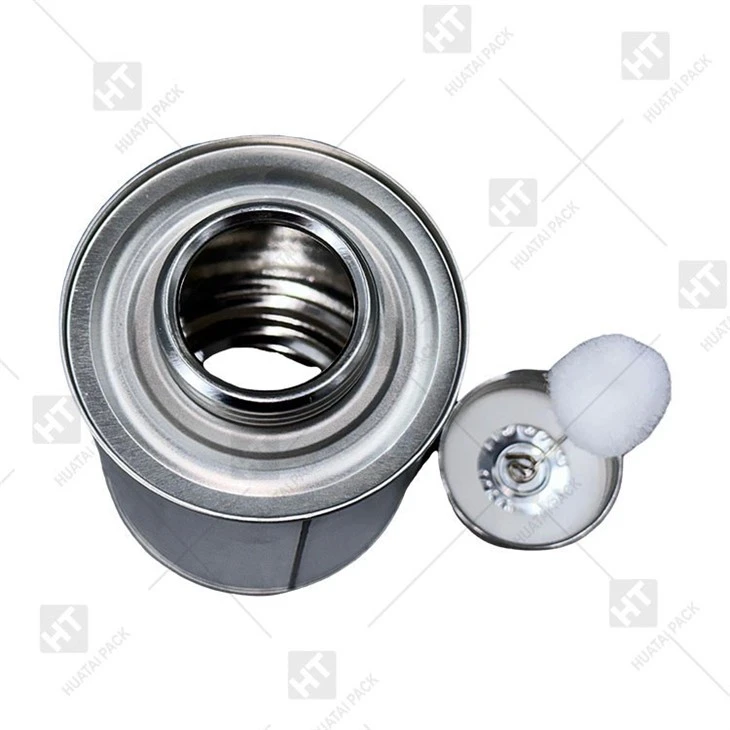
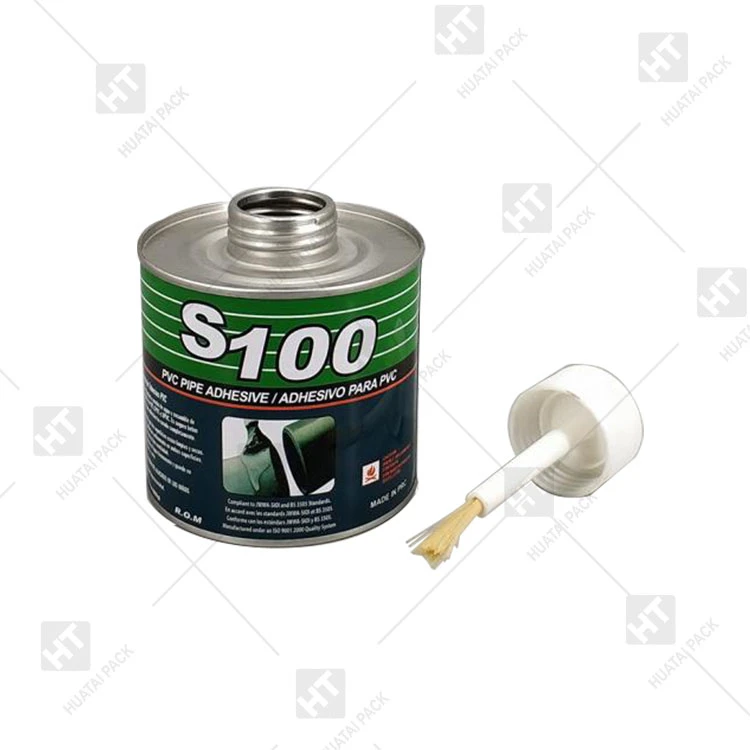
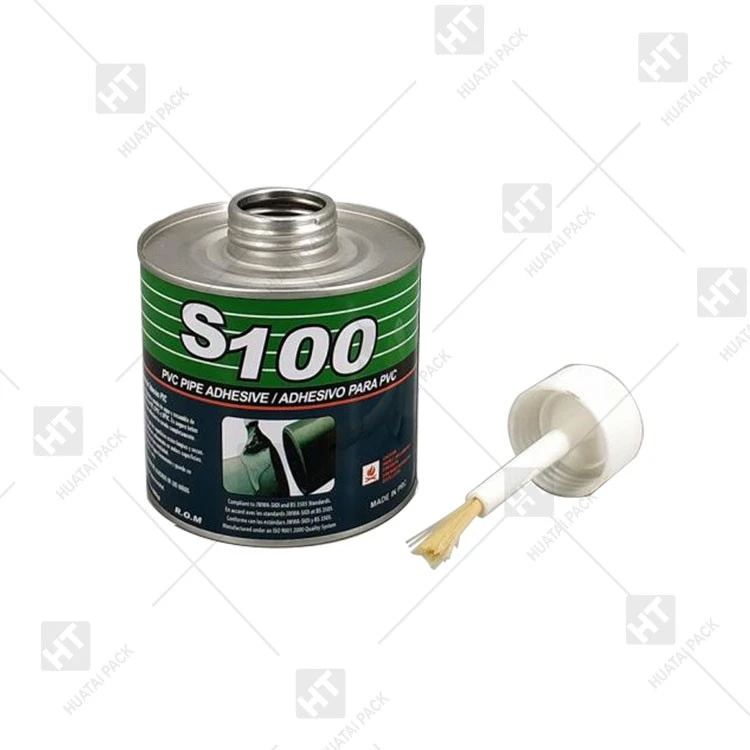
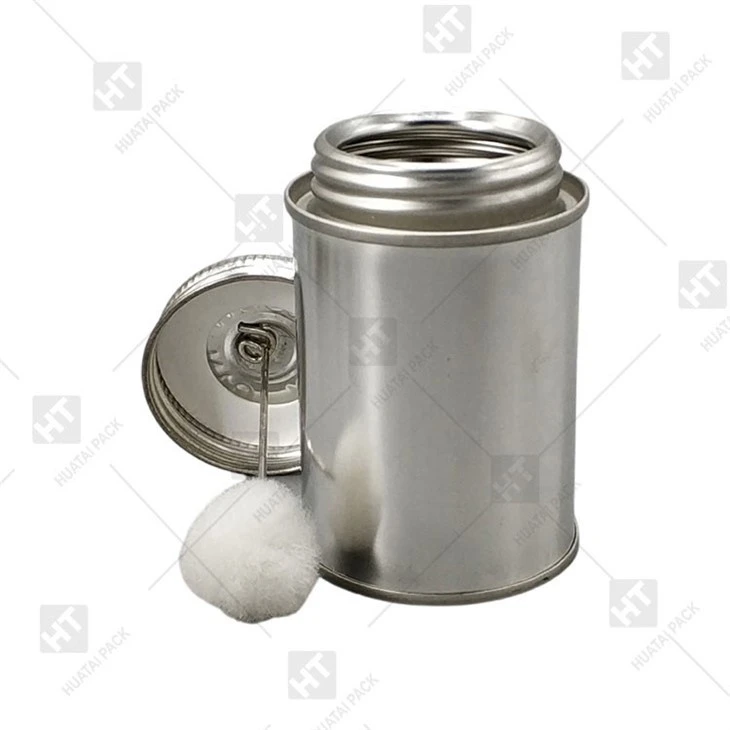
Our 4oz glue cans are carefully designed to preserve the quality of the glue and ensure proper drying when used. The cans are made of high - quality materials that provide a good seal, preventing air and moisture from entering and affecting the glue. This helps to maintain the integrity of the glue until it's ready to be used.
We also provide clear instructions on the label regarding the recommended application methods, drying times, and storage conditions. By following these instructions, our customers can achieve the best results with our glue products.
Other Product Offerings
In addition to our 4oz glue cans, we also offer 16oz Glue Can and 16oz Pvc Can With Cap. These larger cans are suitable for applications that require more glue. Whether you're a DIY enthusiast or a professional contractor, we have the right glue can size for your needs.
Contact Us for Procurement
If you're interested in purchasing our 4oz Glue Can or other glue can products, we encourage you to reach out to us. We offer competitive prices, high - quality products, and excellent customer service. Contact us today to discuss your procurement needs and find the best glue solution for your projects.
References
- ASTM International. Standard test methods for determining drying time of paints, varnishes, lacquers, and related products.
- White, J. R. (2012). Adhesives and Sealants Handbook. McGraw - Hill.