

What is the difference between a 5 gallon tin pail and a plastic pail?
Oct 28, 2025
A 5-gallon pail is a common container used in various industries for storing and transporting different types of materials. When it comes to choosing between a 5-gallon tin pail and a plastic pail, there are several factors to consider. As a supplier of 5-gallon tin pails, I have a deep understanding of the differences between these two types of pails, and I'm here to share my insights with you.
Material and Construction
The most obvious difference between a 5-gallon tin pail and a plastic pail lies in their materials. A tin pail is typically made of steel or tinplate, which provides a sturdy and durable structure. The metal is often coated with a layer of paint or enamel to prevent rust and corrosion, ensuring the pail can withstand harsh environments and long-term use. On the other hand, a plastic pail is made from various types of plastics, such as high-density polyethylene (HDPE) or polypropylene (PP). These plastics are lightweight, flexible, and resistant to impact, making them suitable for a wide range of applications.
In terms of construction, tin pails are usually manufactured through a process of stamping and welding. This results in a seamless and leak-proof container that can hold liquids and solids securely. Plastic pails, on the other hand, are often injection-molded, which allows for more complex shapes and designs. However, the seams and joints in plastic pails may be more prone to leakage, especially if they are not properly sealed.
Strength and Durability
When it comes to strength and durability, tin pails have a clear advantage over plastic pails. The metal construction of tin pails makes them more resistant to impact, puncture, and crushing. They can withstand heavy loads and rough handling without deforming or breaking. This makes them ideal for storing and transporting heavy or sharp objects, such as tools, hardware, and industrial chemicals.
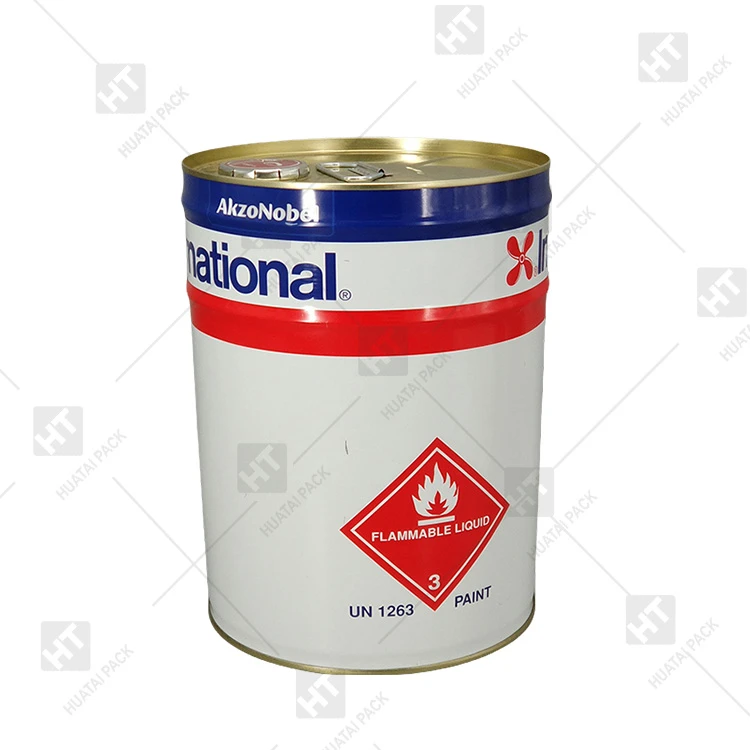
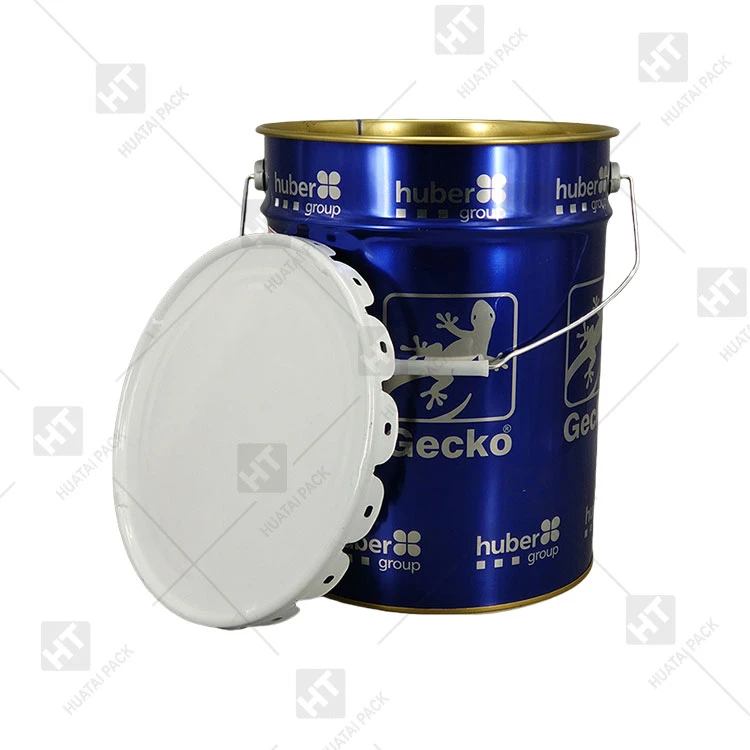
Plastic pails, while lightweight and flexible, are generally less durable than tin pails. They are more likely to crack, break, or deform under stress, especially if they are exposed to extreme temperatures or harsh chemicals. However, some high-quality plastic pails are designed to be more durable and can withstand a certain amount of abuse.
Chemical Resistance
Another important factor to consider when choosing between a 5-gallon tin pail and a plastic pail is their chemical resistance. Tin pails are generally more resistant to chemicals than plastic pails, especially when it comes to strong acids, alkalis, and solvents. The metal construction of tin pails provides a barrier against chemical corrosion, preventing the contents from reacting with the container and causing damage.
Plastic pails, on the other hand, may be more susceptible to chemical attack, depending on the type of plastic and the chemicals they are exposed to. Some plastics may dissolve, swell, or become brittle when exposed to certain chemicals, which can compromise the integrity of the pail and lead to leakage. However, there are also plastic pails that are specifically designed to be chemical-resistant and can be used for storing a wide range of chemicals.
Cost
Cost is often a major consideration when choosing between a 5-gallon tin pail and a plastic pail. In general, plastic pails are less expensive than tin pails, especially for large quantities. The lower cost of plastic pails makes them a popular choice for industries that require a large number of containers, such as food and beverage, agriculture, and consumer goods.
However, it's important to note that the cost of a pail is not the only factor to consider. The durability, strength, and chemical resistance of a pail can also have a significant impact on its overall cost-effectiveness. A tin pail may be more expensive upfront, but it may last longer and require less frequent replacement, which can result in lower long-term costs.
Environmental Impact
In recent years, there has been increasing concern about the environmental impact of plastic waste. Plastic pails, like other plastic products, can take hundreds of years to decompose in landfills, contributing to the growing problem of plastic pollution. On the other hand, tin pails are made of metal, which is a recyclable material. Recycling tin pails can help reduce the demand for new metal production and conserve natural resources.
However, it's important to note that the production of tin pails also has an environmental impact. The mining, refining, and manufacturing of metal require energy and resources, and can generate greenhouse gas emissions and other pollutants. Therefore, it's important to consider the entire life cycle of a pail, from production to disposal, when evaluating its environmental impact.
Applications
The choice between a 5-gallon tin pail and a plastic pail also depends on the specific application. Tin pails are commonly used in industries that require a high level of durability, strength, and chemical resistance, such as automotive, aerospace, and chemical manufacturing. They are also popular for storing and transporting food products, such as oils, sauces, and condiments, because they are non-toxic and can be easily cleaned and sanitized.
Plastic pails, on the other hand, are widely used in industries that require a lightweight, flexible, and cost-effective container, such as food and beverage, agriculture, and consumer goods. They are also popular for storing and transporting household items, such as cleaning supplies, paints, and fertilizers.
Conclusion
In conclusion, the choice between a 5-gallon tin pail and a plastic pail depends on a variety of factors, including material, construction, strength, durability, chemical resistance, cost, environmental impact, and application. As a supplier of 5-gallon tin pails, I believe that tin pails offer several advantages over plastic pails, especially in terms of strength, durability, and chemical resistance. However, plastic pails also have their own advantages, such as lightweight, flexibility, and cost-effectiveness.
If you are looking for a high-quality 5-gallon tin pail for your business, I encourage you to explore our range of products. We offer a wide variety of tin pails, including Metal Pail For Toluene Engine Oil, 20 Liters Printing Open Mouth Pail, and Engine Oil Metal Pail. Our tin pails are made of high-quality steel or tinplate, and are coated with a layer of paint or enamel to prevent rust and corrosion. They are available in different sizes, shapes, and designs to meet your specific needs.
If you have any questions or would like to discuss your requirements further, please feel free to contact us. We are always happy to help you find the right pail for your application.
References
- "Steel Pails: A Comprehensive Guide." Packaging Digest.
- "Plastic Pails: Types, Applications, and Advantages." Plastics Today.
- "Environmental Impact of Metal and Plastic Packaging." Packaging World.