

Do tin pails rust easily?
Oct 28, 2025
Hey there! As a tin pail supplier, I often get asked, "Do tin pails rust easily?" Well, let's dive right into this question and break it down.
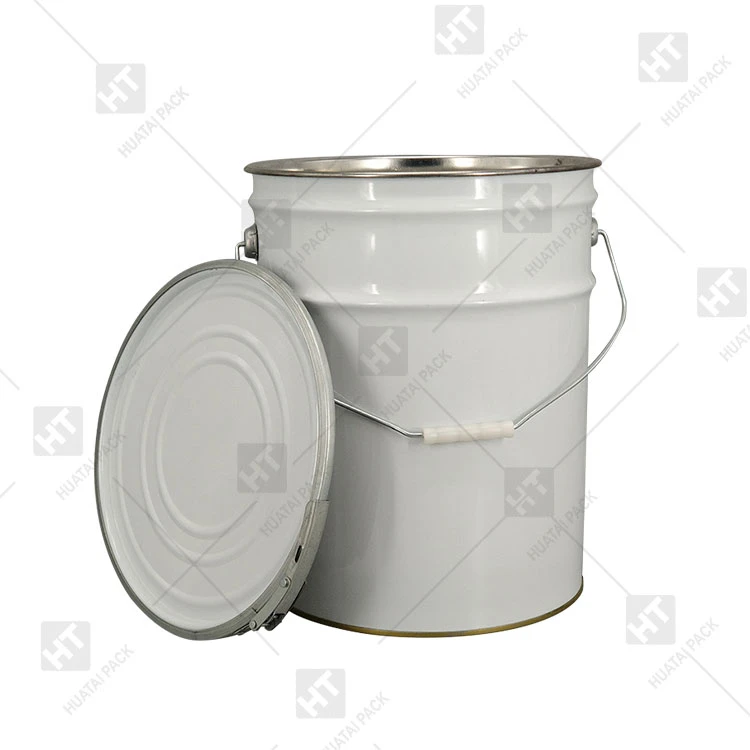
First off, we need to understand what tin pails are made of. Most of the time, tin pails aren't actually made entirely of tin. They're usually steel or iron coated with a thin layer of tin. The tin coating serves as a protective barrier for the underlying metal. But how effective is this protection against rust?
Rust is basically the oxidation of iron. When iron comes into contact with oxygen and moisture, a chemical reaction occurs, and that's when you see that reddish - brown flaky stuff we call rust. The tin coating on tin pails is supposed to prevent this reaction by acting as a shield between the iron and the environment.
Under normal conditions, a well - coated tin pail won't rust easily. The tin layer is pretty good at keeping oxygen and water away from the iron. For example, if you use our tin pails to store dry items like nails or screws in a dry shed, they'll stay rust - free for a long time.
However, there are situations where the tin coating can fail. If the tin layer gets scratched or damaged, the iron underneath is exposed. Once that happens, rust can start to form. Imagine you're using a tin pail to move some sharp tools around. If one of those tools accidentally scrapes the side of the pail, it can break through the tin coating. Then, if the pail is left in a damp place, rust will begin to appear at the scratch mark.
Another factor is the environment. If tin pails are constantly exposed to high humidity, saltwater, or acidic substances, they're more likely to rust. For instance, if you're using tin pails near the ocean, the salt in the air can speed up the corrosion process. Saltwater is a great conductor of electricity, which can accelerate the oxidation of the iron.
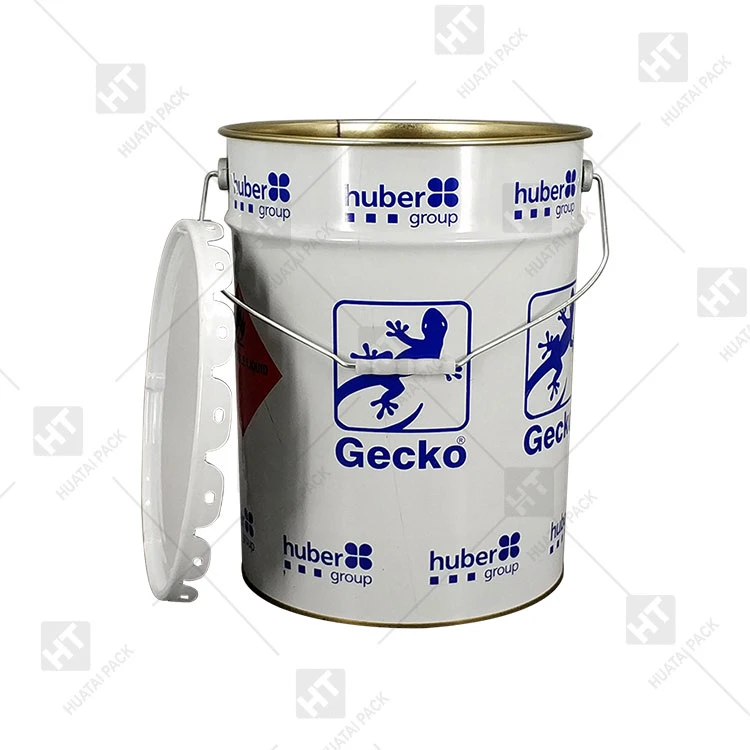
Now, let's talk about the different types of tin pails we offer. We have Metal Paint Buckets. These are designed to hold paint, and they're made with a strong tin coating to resist any chemical reactions with the paint. The paint itself can also act as an additional layer of protection against rust, as long as the pail is in good condition.
Our Metal Drun For Engine Oil is another popular product. Engine oil is relatively stable and doesn't cause much corrosion on its own. But if there's any water contamination in the oil or if the pail is stored in a humid area, there's still a risk of rust.
And then there are our Iron Barrel For Paint. These are larger containers, and we take extra care to ensure a thick and even tin coating. But just like the smaller pails, they need to be handled properly to avoid rust.
So, what can you do to prevent tin pails from rusting? First, handle them gently to avoid scratching the tin coating. If you do notice a scratch, you can touch it up with some touch - up paint designed for metal. Second, store the pails in a dry place. If possible, use a dehumidifier in the storage area to keep the humidity low.
If you're using the pails in a harsh environment, like near the ocean or in an industrial setting with acidic fumes, you might want to consider using a rust - resistant coating on top of the tin. There are many commercial products available that can provide an extra layer of protection.
As a supplier, we're always looking for ways to improve the rust - resistance of our tin pails. We work with high - quality materials and use advanced coating techniques to ensure that our products last as long as possible.
If you're in the market for tin pails, whether it's for paint, engine oil, or any other purpose, we'd love to talk to you. We can provide you with detailed information about our products and help you choose the right type of pail for your needs. Don't hesitate to reach out and start a conversation about your procurement requirements. We're here to make sure you get the best tin pails that will serve you well and resist rust for a long time.
References
- "Corrosion Basics" by the National Association of Corrosion Engineers
- "Handbook of Corrosion Engineering" by Pierre R. Roberge