

What is the anti - graffiti property of paint in a 1l paint can?
Sep 17, 2025
What is the anti - graffiti property of paint in a 1l paint can?
As a supplier of 1l paint cans, I often encounter customers who are interested in the anti - graffiti property of the paint we offer. In this blog, I will delve into what anti - graffiti property means, how it works, and why it matters for various applications.
Understanding Anti - Graffiti Property
Anti - graffiti property refers to the ability of a paint to resist the adhesion of graffiti and make it easier to remove any unwanted markings. Graffiti can be a significant problem in both public and private spaces. It not only defaces buildings, walls, and other surfaces but also incurs high costs for cleaning and restoration.
Paints with anti - graffiti properties are designed to create a smooth, non - porous surface. When graffiti is applied, it does not bond strongly to the paint film. There are two main types of anti - graffiti paints: sacrificial and permanent.
Sacrificial anti - graffiti paints work by forming a top layer that can be easily removed along with the graffiti. Once the graffiti is cleaned off, a new layer of the sacrificial coating may need to be reapplied. On the other hand, permanent anti - graffiti paints have a long - lasting non - stick surface. They can withstand multiple cleanings without losing their anti - graffiti capabilities.
How Anti - Graffiti Paint Works
The science behind anti - graffiti paint lies in its chemical composition. These paints typically contain special polymers that create a low - surface - energy film. This film reduces the contact area between the graffiti material (such as spray paint or markers) and the painted surface. As a result, the graffiti does not adhere well and can be removed more easily.
For example, silicone - based polymers are commonly used in anti - graffiti paints. Silicone has a very low surface energy, which makes it difficult for other substances to stick to it. When graffiti is sprayed onto a surface coated with silicone - based anti - graffiti paint, the paint repels the graffiti, preventing it from penetrating the paint film.
In addition to polymers, some anti - graffiti paints also contain additives that enhance their anti - adhesion properties. These additives can modify the surface tension of the paint, making it even more resistant to graffiti.
Why Anti - Graffiti Property Matters
The anti - graffiti property of paint is crucial for several reasons. In public spaces such as subway stations, bus stops, and city walls, graffiti is a common problem. By using anti - graffiti paint, municipalities can keep these areas clean and presentable. It also reduces the need for frequent and costly cleaning operations.
For businesses, anti - graffiti paint can protect their storefronts and buildings from vandalism. A clean and well - maintained exterior can enhance the company's image and attract more customers. Moreover, in industrial settings, anti - graffiti paint can be used to protect equipment and machinery from unwanted markings, which can interfere with their operation.
Our 1l Paint Cans with Anti - Graffiti Property
As a supplier of 1l paint cans, we offer a range of anti - graffiti paints. Our paint cans are available in different formulations to meet the diverse needs of our customers. Whether you need a sacrificial or permanent anti - graffiti paint, we have the right product for you.
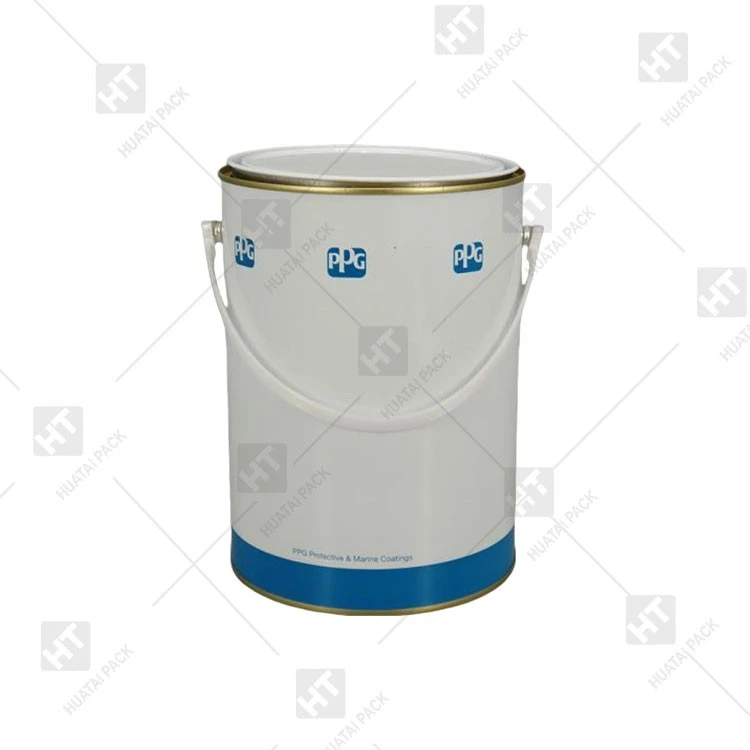
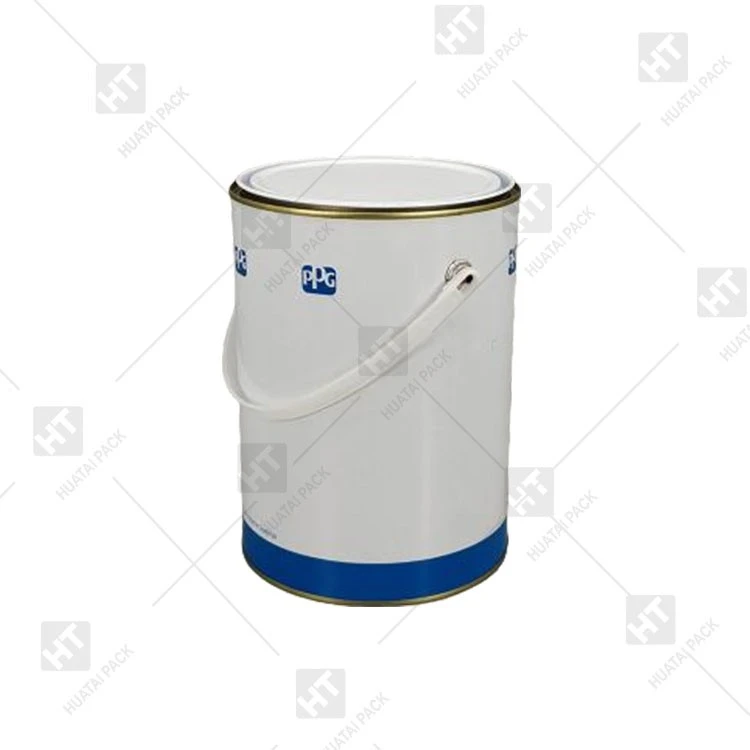
Our Metal Paint Can is a popular choice for industrial and commercial applications. It is made of high - quality metal, which provides excellent protection for the paint inside. The 1l size is convenient for small - to - medium - sized projects.
If you have a smaller project or need a more portable option, our Small Mini Paint Can is a great choice. It is easy to carry around and can be used for touch - up jobs or small - scale anti - graffiti applications.
For those who require a paint can with a special coating, our Metal Paint Can Coating Can is the ideal solution. The coating on the can helps to preserve the quality of the anti - graffiti paint and ensures its long - term performance.
Application and Maintenance of Anti - Graffiti Paint
Applying anti - graffiti paint is similar to applying regular paint. However, it is important to follow the manufacturer's instructions carefully. The surface should be clean, dry, and free of any contaminants before painting. A primer may be required in some cases to ensure good adhesion of the anti - graffiti paint.
Once the paint is applied, it needs time to dry and cure. The drying and curing time can vary depending on the type of paint and the environmental conditions. After the paint has cured, it is ready to resist graffiti.
When it comes to cleaning graffiti from anti - graffiti painted surfaces, mild detergents and water are usually sufficient for sacrificial anti - graffiti paints. For permanent anti - graffiti paints, more aggressive cleaning methods may be used, such as pressure washing or the use of specialized graffiti removers.
Conclusion
The anti - graffiti property of paint in our 1l paint cans is a valuable feature that offers many benefits. It provides an effective solution to the problem of graffiti, whether in public or private spaces. Our range of paint cans, including Metal Paint Can, Small Mini Paint Can, and Metal Paint Can Coating Can, ensures that we can meet the diverse needs of our customers.
If you are interested in purchasing our anti - graffiti paint in 1l paint cans, we encourage you to contact us for a detailed discussion about your requirements. We are committed to providing high - quality products and excellent customer service. Let's work together to keep your spaces graffiti - free.
References
- "The Chemistry of Anti - Graffiti Coatings" by Journal of Coatings Technology and Research.
- "Anti - Graffiti Solutions for Public Spaces" by Urban Planning Review.
- Manufacturer's technical data sheets for anti - graffiti paints.