

Can I mix water - based and oil - based paints in a can?
Sep 17, 2025
When it comes to the world of painting, one question that often arises is whether it's possible to mix water-based and oil-based paints in a can. As a paint can supplier, I've encountered this query numerous times from both professional painters and DIY enthusiasts. In this blog post, I'll delve into the science behind these two types of paints, explore the potential consequences of mixing them, and provide some practical advice based on my experience in the industry.
Understanding Water-Based and Oil-Based Paints
Before we discuss the possibility of mixing these two types of paints, it's essential to understand their fundamental differences. Water-based paints, also known as latex paints, use water as a solvent. They are popular for their ease of use, quick drying time, and low odor. Water-based paints are also environmentally friendly, as they emit fewer volatile organic compounds (VOCs) compared to oil-based paints.
On the other hand, oil-based paints use mineral spirits or turpentine as a solvent. They are known for their durability, smooth finish, and excellent adhesion. Oil-based paints are often used for high-traffic areas or surfaces that require a tough, long-lasting coating. However, they have a longer drying time, a stronger odor, and require more careful cleanup with solvents.
The Science Behind Mixing Paints
The main reason why mixing water-based and oil-based paints is generally not recommended is due to their different chemical compositions. Water-based paints are emulsions, which means they consist of tiny droplets of resin dispersed in water. Oil-based paints, on the other hand, are solutions, where the resin is dissolved in a solvent.
When you try to mix water-based and oil-based paints, the water and oil components do not mix well. This is because water and oil are immiscible, meaning they do not dissolve in each other. Instead, they tend to separate, creating a heterogeneous mixture. This separation can lead to a variety of problems, including poor adhesion, uneven drying, and a compromised finish.
Potential Consequences of Mixing Paints
If you attempt to mix water-based and oil-based paints in a can, you may encounter several issues:
- Separation: As mentioned earlier, the water and oil components will separate, resulting in a lumpy or streaky mixture. This can make it difficult to apply the paint evenly and achieve a smooth finish.
- Poor Adhesion: The different chemical properties of water-based and oil-based paints can prevent them from adhering properly to each other and to the surface being painted. This can lead to peeling, flaking, or blistering of the paint over time.
- Uneven Drying: Water-based paints dry through evaporation, while oil-based paints dry through oxidation. Mixing the two can disrupt the normal drying process, causing the paint to dry unevenly or take longer to dry. This can also affect the final appearance and durability of the paint job.
- Compromised Finish: The combination of water-based and oil-based paints can result in a finish that is dull, chalky, or discolored. This can be particularly noticeable on high-gloss or semi-gloss surfaces.
Exceptions to the Rule
While mixing water-based and oil-based paints is generally not recommended, there are some exceptions to the rule. In some cases, it may be possible to use a primer or a bonding agent to create a compatible surface between the two types of paints. For example, if you want to paint over an existing oil-based paint with a water-based paint, you can use a primer specifically designed for this purpose. This can help improve adhesion and prevent the water-based paint from peeling or flaking.
Another exception is when using specialty paints or additives that are designed to bridge the gap between water-based and oil-based systems. These products can help create a more compatible mixture and improve the performance of the paint. However, it's important to follow the manufacturer's instructions carefully and test the mixture on a small, inconspicuous area before applying it to the entire surface.
Practical Advice for Using Paints
If you're unsure whether to use water-based or oil-based paints for your project, here are some practical tips to help you make the right decision:
- Consider the Surface: Different surfaces may require different types of paints. For example, water-based paints are generally better suited for interior walls, ceilings, and drywall, while oil-based paints are more appropriate for exterior surfaces, woodwork, and metal.
- Think About the Finish: The finish you want to achieve can also influence your choice of paint. Water-based paints are available in a variety of finishes, including flat, eggshell, satin, semi-gloss, and high-gloss. Oil-based paints typically offer a more durable and high-gloss finish, but they may be more difficult to apply and maintain.
- Follow the Manufacturer's Instructions: Always read and follow the manufacturer's instructions carefully when using any type of paint. This includes preparing the surface properly, applying the paint in the recommended number of coats, and allowing sufficient drying time between coats.
- Test the Paint: Before applying the paint to the entire surface, it's a good idea to test it on a small, inconspicuous area. This can help you determine if the paint adheres properly, dries evenly, and provides the desired finish.
Choosing the Right Paint Can
As a paint can supplier, I understand the importance of choosing the right container for your paint. At [Website], we offer a wide range of high-quality paint cans, including Metal Paint Can Coating Can, Round Metal Tin Can, and Round Metal Tin Paint Cans. Our paint cans are designed to protect the paint from contamination, evaporation, and damage, ensuring that it remains in good condition until you're ready to use it.
When choosing a paint can, consider the following factors:
- Size: Choose a paint can that is the right size for your project. If you're working on a small area, a smaller can may be sufficient. For larger projects, you may need a larger can or multiple cans.
- Material: Paint cans are typically made of metal or plastic. Metal cans are more durable and provide better protection against air and moisture, while plastic cans are lighter and more affordable.
- Seal: Make sure the paint can has a tight-fitting seal to prevent the paint from drying out or leaking. Look for cans with a screw-on lid or a snap-on lid with a rubber gasket.
- Labeling: The paint can should have clear labeling that includes the type of paint, the color, the brand, and any safety instructions. This can help you identify the paint easily and ensure that you're using it correctly.
Conclusion
In conclusion, while it may be tempting to mix water-based and oil-based paints in a can, it's generally not recommended due to their different chemical compositions and potential compatibility issues. Mixing these two types of paints can lead to separation, poor adhesion, uneven drying, and a compromised finish. However, there are some exceptions to the rule, such as using a primer or a bonding agent to create a compatible surface.
If you're unsure whether to use water-based or oil-based paints for your project, it's always a good idea to consult with a professional painter or a paint supplier. They can provide you with expert advice and help you choose the right paint and paint can for your needs.
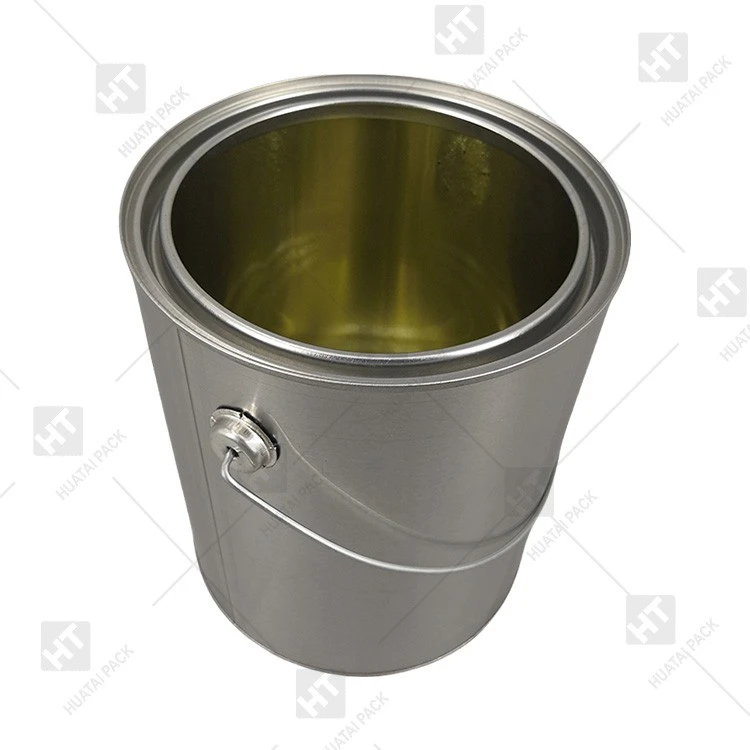
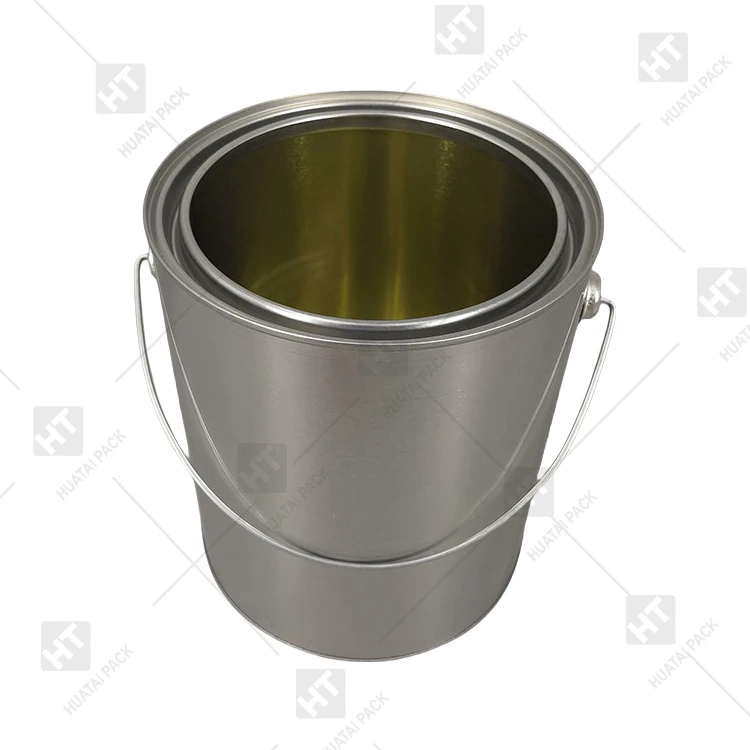
If you're interested in purchasing high-quality paint cans for your next project, please feel free to contact us. We'd be happy to assist you with your purchase and answer any questions you may have.
References
- "Understanding Paint Types and Their Uses." DIY Network.
- "Mixing Paints: Can You Mix Different Types?" The Spruce.
- "Water-Based vs. Oil-Based Paints: What's the Difference?" Bob Vila.