

What information should be on a paint can label?
Oct 03, 2025
As a paint can supplier, I understand the crucial role that paint can labels play in the industry. A well - designed paint can label not only provides essential information to consumers but also ensures compliance with safety and regulatory standards. In this blog, I will discuss the key information that should be included on a paint can label.
Product Identification
The first and most obvious information on a paint can label is the product name and brand. This helps consumers easily identify the paint they are purchasing. For example, if a customer is looking for a specific brand of interior wall paint, the clear display of the brand and product name on the label makes the selection process straightforward. Along with the product name, it's important to include a product code or batch number. This allows for easy tracking in case of quality issues, recalls, or if the customer wants to re - order the exact same product.
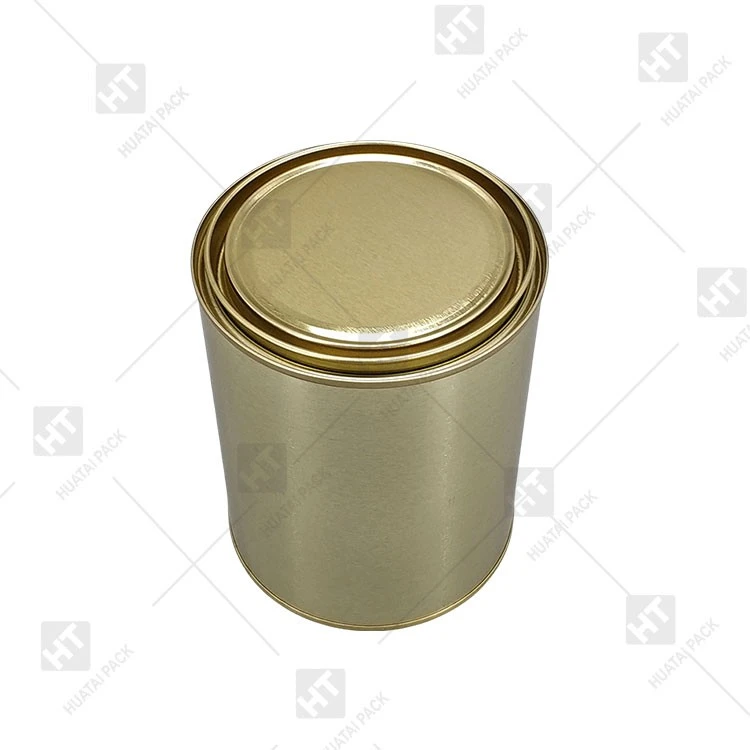
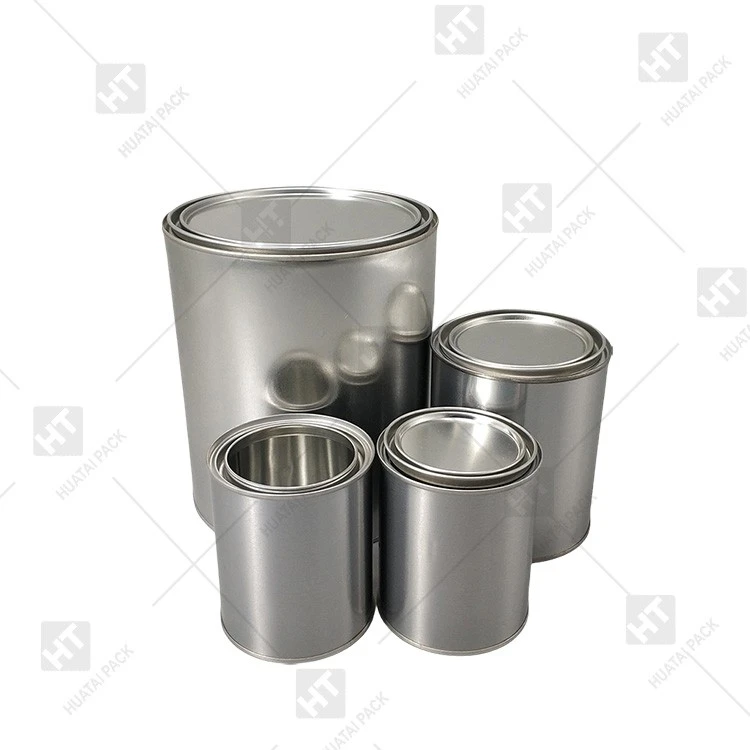
The label should also indicate the type of paint. Is it water - based or oil - based? Water - based paints are generally more environmentally friendly, dry faster, and are easier to clean up with soap and water. Oil - based paints, on the other hand, offer a more durable finish and are often used for surfaces that require high - resistance, such as doors and trim. Clearly stating the paint type helps customers make informed decisions based on their project requirements.
Quantity and Size
The label must show the quantity of paint in the can. This is usually measured in gallons, quarts, or liters. For instance, you might see a label indicating “1 gallon” or “1 quart”. As a supplier, I offer different sizes to meet various customer needs. If you are interested in a 1gallon Paint Can, our product is designed to hold the exact specified volume, ensuring that customers get what they pay for. Similarly, our 1quart Paint Can is a great option for smaller projects.
Color Information
Color is a critical factor when it comes to paint selection. The label should display the color name and number. Color names are often creative and descriptive, like “Sunny Yellow” or “Midnight Blue”. The color number, on the other hand, is a more precise way to identify the color, especially when the customer needs to match an existing color or re - order the same shade. Some labels also include a small color swatch, which gives customers a better visual representation of the actual color.
Application Instructions
Proper application is essential for achieving the best results with paint. The label should provide clear instructions on how to apply the paint. This includes information on surface preparation, such as cleaning, sanding, or priming the surface before painting. It should also mention the recommended number of coats, the drying time between coats, and the total drying time before the painted surface can be used. For example, a label might state “Apply two coats with a brush or roller. Allow 2 - 4 hours between coats and 24 hours for full drying.”
Safety Information
Safety is of utmost importance when dealing with paint. The label must include all relevant safety warnings. This includes information about potential health hazards, such as inhalation risks, skin irritation, or eye damage. It should also provide instructions on how to handle the paint safely, like wearing protective gloves, goggles, and a respirator in a well - ventilated area.
In addition, the label should indicate the proper storage conditions for the paint. Paint should be stored in a cool, dry place away from direct sunlight and heat sources. Some paints may also have specific temperature requirements for storage. For example, a label might state “Store at temperatures between 50°F - 80°F.”
Chemical Composition
The chemical composition of the paint is another important piece of information on the label. It should list the major ingredients in the paint, including solvents, pigments, and binders. This information is useful for customers who may have allergies or sensitivities to certain chemicals. It also helps in understanding the environmental impact of the paint. For example, paints with low volatile organic compound (VOC) content are more environmentally friendly and have less of an impact on indoor air quality.
Durability and Performance Information
Customers want to know how long the paint will last and how well it will perform. The label should provide information on the paint's durability, such as its resistance to abrasion, fading, and moisture. For exterior paints, it should mention the paint's ability to withstand weather conditions like rain, snow, and UV rays. For interior paints, it might discuss its scrubbability and stain - resistance.
Regulatory Compliance
Paint products are subject to various regulations, and the label must indicate compliance with these standards. This includes safety regulations, environmental regulations, and labeling requirements. For example, in some regions, there are restrictions on the amount of VOCs that a paint can contain. The label should state that the paint meets the relevant VOC limits.
Recycling and Disposal Information
As environmental awareness grows, more customers are concerned about the proper disposal of paint cans and leftover paint. The label should provide information on how to recycle the paint can, if possible. It should also offer guidance on the proper disposal of unused paint. This might include information on local hazardous waste disposal facilities or recycling programs.
Manufacturer Information
Finally, the label should include the name and contact information of the manufacturer or supplier. This allows customers to reach out if they have any questions, concerns, or need technical support. As a paint can supplier, I am committed to providing excellent customer service. If you have any inquiries about our Metal Paint Can or other products, please feel free to contact us for more information and to discuss your procurement needs.
In conclusion, a comprehensive paint can label is essential for both consumers and suppliers. It provides all the necessary information to ensure safe and proper use of the paint, while also helping consumers make informed decisions. As a paint can supplier, I am dedicated to providing high - quality products with accurate and detailed labels. If you are in the market for paint cans, I encourage you to contact us to discuss your specific requirements and start a procurement negotiation.
References
- ASTM International. (20XX). Standard Practice for Labeling Paints and Related Coatings.
- Environmental Protection Agency. (20XX). Regulations on Volatile Organic Compounds in Paints.
- National Fire Protection Association. (20XX). Safety Standards for Paint Products.