

What happens if a paint can freezes?
Aug 27, 2025
As a paint can supplier, I've encountered numerous inquiries from customers regarding the effects of freezing on paint cans. This topic is crucial as it directly impacts the quality of both the paint and the can itself. In this blog, I'll delve into what happens when a paint can freezes, the implications for our products like the 500ml Round Tinplate Can, Round Open Lid Tin Cans, and Empty Round Tin Can, and how to handle frozen paint cans properly.
Physical Changes in the Paint
When a paint can freezes, the most immediate change occurs within the paint itself. Water-based paints, which are widely used due to their low toxicity and easy cleanup, are particularly vulnerable to freezing. Water expands when it freezes, and this expansion can disrupt the delicate balance of the paint's components.
The binders in the paint, which are responsible for holding the pigment particles together and adhering the paint to the surface, can be damaged. Once the paint thaws, these binders may not reform correctly, leading to a change in the paint's consistency. The paint may become lumpy, with clumps of pigment and binder that won't disperse evenly, even with thorough stirring.
The freezing process can also cause the pigment particles to settle unevenly. When the paint is in its liquid state, the pigment is uniformly distributed. However, during freezing, the water expands and can push the pigment particles around, causing them to cluster in certain areas. This results in an inconsistent color when the paint is applied, with some areas appearing darker or lighter than others.
In oil-based paints, the effects of freezing are different but still significant. The solvents in oil-based paints can thicken or even solidify when frozen. This change in the solvent's properties can affect the paint's drying time and its ability to flow smoothly onto the surface. When the paint thaws, it may not return to its original state, and the overall performance of the paint may be compromised.
Impact on the Paint Can
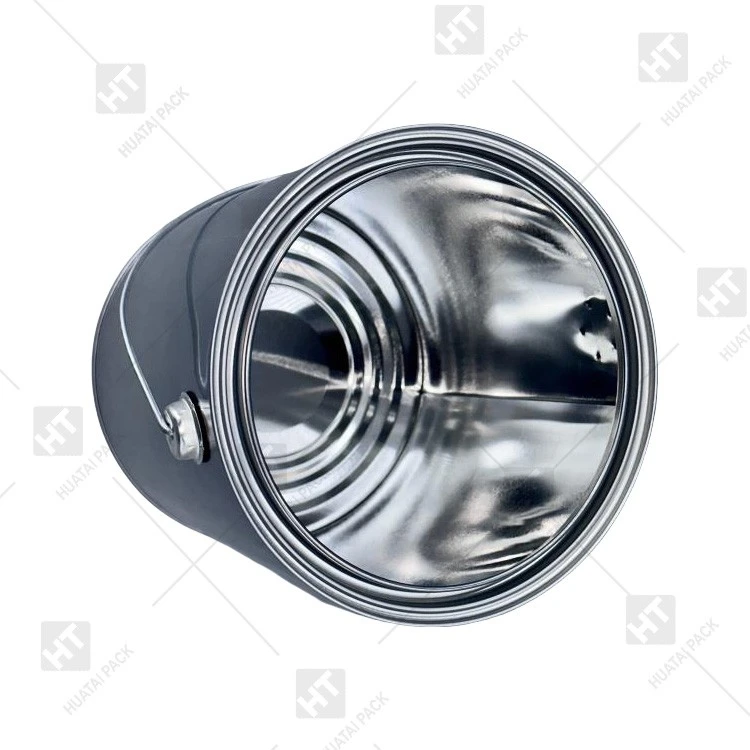
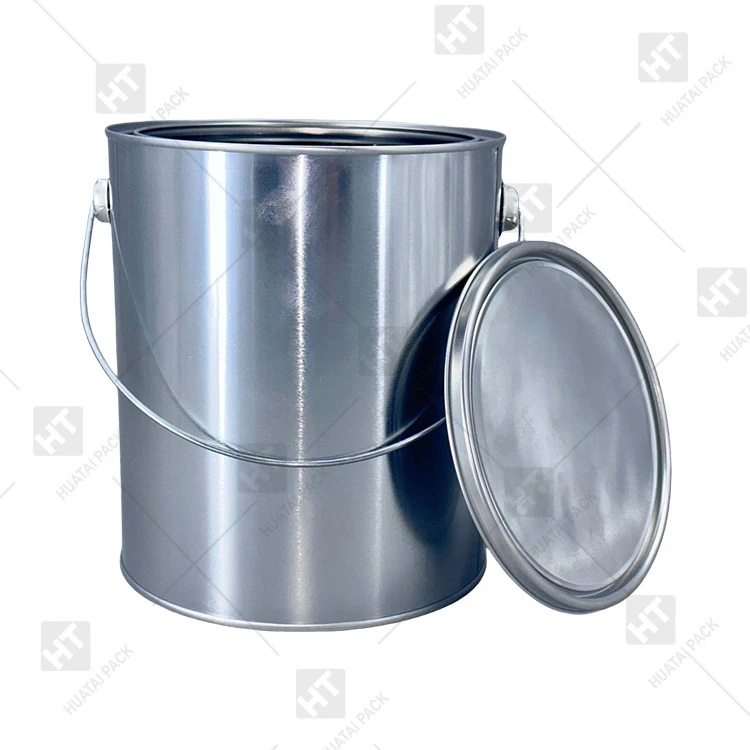
Our paint cans, such as the 500ml Round Tinplate Can and Round Open Lid Tin Cans, are designed to withstand normal storage conditions. However, freezing poses a unique challenge. As the paint inside the can freezes and expands, it exerts pressure on the walls of the can.
Tinplate cans are relatively strong, but the extreme pressure from the expanding paint can cause the can to bulge or even rupture. A bulging can is not only unsightly but also indicates that the integrity of the can has been compromised. Once the can is damaged, it may not be able to provide an airtight seal, which can lead to further problems such as the paint drying out or developing mold over time.
In some cases, the lid of the can may also be affected. The pressure from the expanding paint can force the lid off or cause it to become loose. This exposes the paint to the air, increasing the risk of contamination and spoilage.
Quality and Performance After Freezing
Even if the paint can appears to be intact after thawing, the quality and performance of the paint may still be affected. As mentioned earlier, the change in consistency and pigment distribution can lead to a poor finish when the paint is applied. The paint may not cover the surface evenly, and it may not adhere as well as it should.
The durability of the paint can also be compromised. The damaged binders may not provide the same level of protection against wear and tear, moisture, and UV rays. This means that the painted surface may start to peel, crack, or fade more quickly than expected.
For professional painters and contractors, using frozen paint can lead to dissatisfied customers and additional costs for rework. It's essential to ensure that the paint is in optimal condition before starting any painting project.
Handling Frozen Paint Cans
If you discover that a paint can has frozen, the first step is to let it thaw slowly at room temperature. Do not attempt to speed up the thawing process by placing the can in hot water or near a heat source, as this can cause further damage to the paint and the can.
Once the can has thawed completely, inspect it carefully for any signs of damage, such as bulging, dents, or a loose lid. If the can is damaged, it's best to discard the paint, as it may not be safe or suitable for use.
If the can appears to be intact, stir the paint thoroughly. Use a paint stirrer to break up any lumps and ensure that the pigment is evenly distributed. However, even after thorough stirring, there's no guarantee that the paint will perform as expected. It's a good idea to test the paint on a small, inconspicuous area before applying it to the entire surface.
Preventing Freezing
As a paint can supplier, I recommend taking steps to prevent paint cans from freezing in the first place. When storing paint, choose a location that maintains a consistent temperature above freezing. Avoid storing paint in unheated garages, sheds, or basements during the winter months.
If you need to transport paint in cold weather, insulate the cans to protect them from the cold. You can use blankets or insulated containers to keep the paint at a suitable temperature.
Conclusion
In conclusion, freezing a paint can can have significant consequences for both the paint and the can itself. The physical changes in the paint can affect its quality, consistency, and performance, while the pressure from the expanding paint can damage the can. As a paint can supplier, we understand the importance of providing high-quality products that can withstand normal storage and handling conditions. Our 500ml Round Tinplate Can, Round Open Lid Tin Cans, and Empty Round Tin Can are designed to offer the best protection for your paint, but it's still crucial to take precautions to prevent freezing.
If you're in the market for paint cans, we're here to provide you with the best solutions. Our team of experts can help you choose the right can for your needs and offer advice on proper storage and handling. Contact us to discuss your paint can requirements and start a successful partnership.
References
- "The Chemistry of Paints and Coatings" by David A. Bristow
- "Handbook of Coating Additives" edited by Johan Bieleman