

Are quart tin cans waterproof?
Aug 27, 2025
As a seasoned supplier of quart tin cans, I often encounter a pivotal question from clients: Are quart tin cans waterproof? This query is not just a simple yes or no; it delves into the intricacies of materials, manufacturing processes, and the intended use of these cans. In this blog, I'll explore the waterproof nature of quart tin cans, shedding light on what makes them suitable for various applications and how to ensure their optimal performance.
Understanding Quart Tin Cans
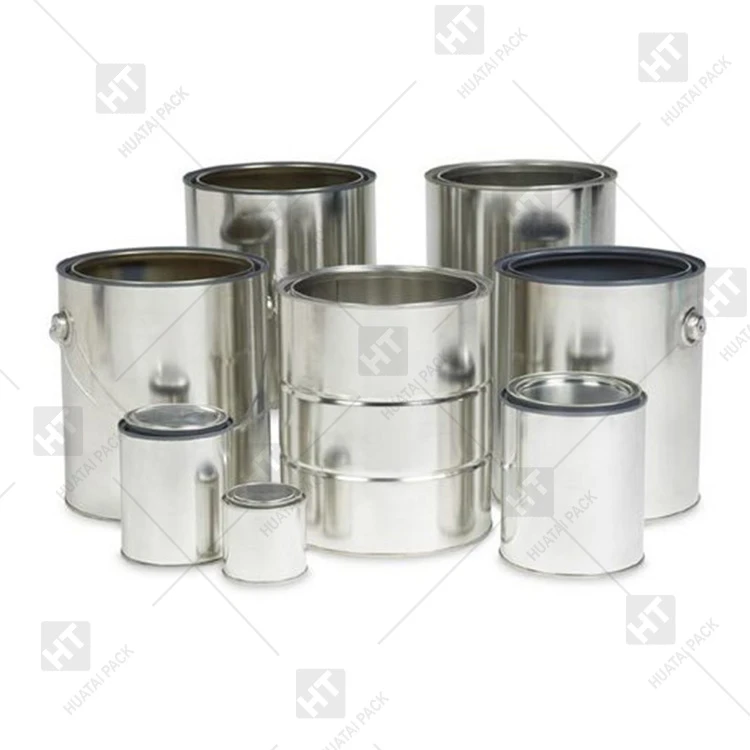
Before we dive into the waterproof aspect, let's understand what quart tin cans are. A quart is a unit of volume measurement equivalent to approximately 0.95 liters. Quart tin cans are typically made from tinplate, a thin sheet of steel coated with a layer of tin. This combination offers a balance of strength, durability, and corrosion resistance. These cans come in various shapes and sizes, catering to a wide range of industries, including food, paint, and chemicals.
The Waterproofing Mechanism of Quart Tin Cans
The waterproofing ability of quart tin cans primarily depends on two factors: the material and the sealing method.
Material
The tin coating on the steel sheet plays a crucial role in preventing water from reaching the steel substrate. Tin is a relatively inert metal that forms a protective oxide layer when exposed to air. This layer acts as a barrier, preventing water and oxygen from reacting with the steel, which could lead to rusting. However, the thickness of the tin coating can vary, and a thicker coating generally provides better protection against water.
Sealing Method
Even with a good tin coating, a can is only waterproof if it is properly sealed. There are several sealing methods used in the manufacturing of quart tin cans, each with its own level of effectiveness.
- Double Seaming: This is the most common sealing method for tin cans. It involves folding the edges of the can body and the lid together multiple times to create a tight seal. Double seaming is highly effective in preventing water ingress, as long as the process is carried out correctly.
- Gasket Sealing: Some cans use a gasket, usually made of rubber or plastic, to create a watertight seal between the lid and the can body. Gasket sealing is often used in applications where a higher level of waterproofing is required, such as in the storage of liquids.
Factors Affecting the Waterproofness of Quart Tin Cans
While quart tin cans are designed to be waterproof, several factors can affect their performance.
Environmental Conditions
The environment in which the cans are stored or used can have a significant impact on their waterproofness. For example, high humidity levels can accelerate the corrosion process, especially if the tin coating is damaged. Exposure to saltwater or chemicals can also compromise the integrity of the can, making it more susceptible to water penetration.
Handling and Storage
Improper handling and storage can also damage the cans and reduce their waterproofness. Dropping or denting a can can cause the tin coating to crack, exposing the steel to water and oxygen. Storing cans in a way that allows them to come into contact with sharp objects can also lead to punctures, which can compromise the seal.
Quality of Manufacturing
The quality of the manufacturing process is crucial in determining the waterproofness of quart tin cans. Poorly manufactured cans may have uneven tin coatings, weak seams, or faulty gaskets, all of which can lead to water leakage. As a supplier, I ensure that our cans are manufactured to the highest standards, using state-of-the-art equipment and quality control measures.
Applications of Waterproof Quart Tin Cans
The waterproof nature of quart tin cans makes them suitable for a wide range of applications.
Food Industry
In the food industry, quart tin cans are commonly used to store canned fruits, vegetables, and meats. The waterproof seal ensures that the food remains fresh and free from contamination. The cans also protect the food from light and oxygen, which can cause spoilage.
Paint Industry
Quart tin cans are also widely used in the paint industry. The waterproof seal prevents the paint from drying out or leaking, ensuring that the paint remains in good condition until it is used. The cans are also easy to transport and store, making them a popular choice for paint manufacturers.

Chemical Industry
In the chemical industry, quart tin cans are used to store various chemicals, including solvents, adhesives, and pesticides. The waterproof nature of the cans protects the chemicals from moisture and air, which can cause chemical reactions and degradation.
Ensuring the Waterproofness of Quart Tin Cans
As a supplier, I take several steps to ensure that our quart tin cans are waterproof.
Quality Control
We have a rigorous quality control system in place to ensure that every can meets our high standards. This includes inspecting the raw materials, monitoring the manufacturing process, and testing the finished cans for waterproofness.
Customization
We understand that different applications may require different levels of waterproofing. That's why we offer customization options, such as thicker tin coatings and different sealing methods, to meet the specific needs of our clients.
Education and Support
We also provide our clients with education and support on how to handle and store our cans properly. This includes providing guidelines on storage conditions, handling procedures, and inspection methods.
Conclusion
In conclusion, quart tin cans can be waterproof if they are made from high-quality materials and properly sealed. However, several factors can affect their waterproofness, including environmental conditions, handling and storage, and the quality of manufacturing. As a supplier, I am committed to providing my clients with the highest quality quart tin cans that meet their specific needs. Whether you are in the food, paint, or chemical industry, our Small Round Metal Can, Clsoed Metal Drun, and Round Metal Tin Paint Cans are designed to provide reliable waterproof protection.
If you are interested in purchasing quart tin cans for your business, I invite you to contact me for a detailed discussion. We can work together to determine the best solution for your specific requirements.
References
- "Tinplate Packaging: Properties and Applications" by Packaging World
- "Principles of Food Canning" by the American Canning Company
- "The Chemistry of Paint and Coatings" by the Society for Chemical Industry