

How to transport industrial oil cans on a ship?
Jul 28, 2026
Transporting industrial oil cans on a ship is a complex and highly regulated process that requires careful planning, strict adherence to safety protocols, and a deep understanding of international shipping regulations. As an industrial oil cans supplier, I have witnessed firsthand the challenges and intricacies involved in ensuring the safe and efficient transportation of these products across the seas. In this blog post, I will share some valuable insights and best practices on how to transport industrial oil cans on a ship, drawing from my experience in the industry.
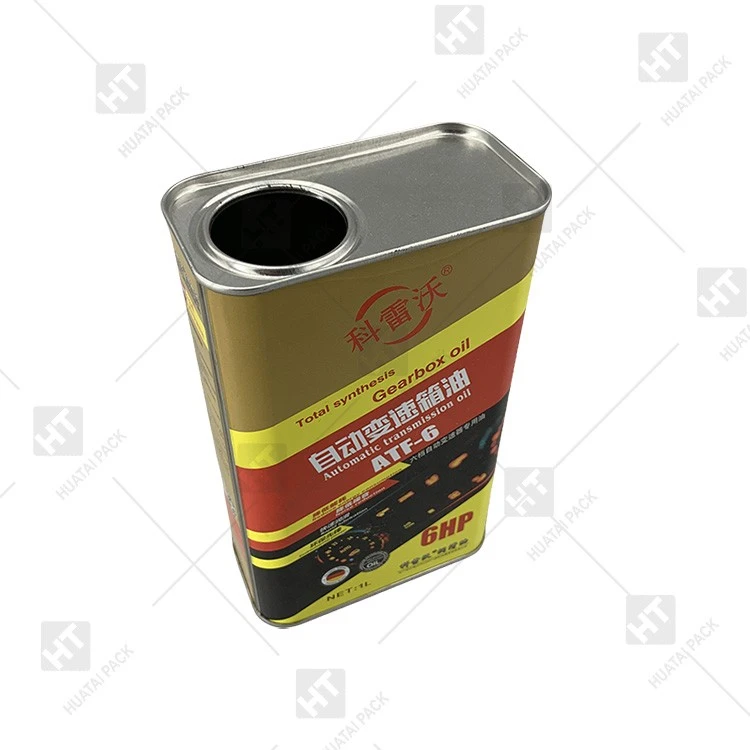
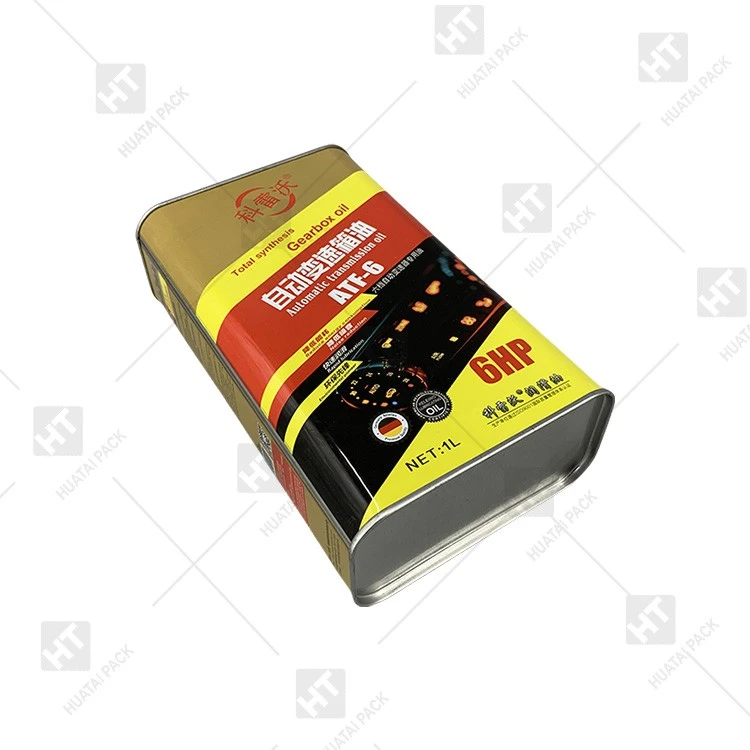
Understanding the Types of Industrial Oil Cans
Before delving into the transportation process, it is essential to understand the different types of industrial oil cans available in the market. At our company, we offer a wide range of oil cans to meet the diverse needs of our customers. Some of the popular products include the 25L Metal Oil Drum, 1L Motor Oil Can, and Metal Oil Can Container. Each type of oil can has its own unique characteristics and requirements for transportation.
Preparing the Industrial Oil Cans for Transportation
The first step in transporting industrial oil cans on a ship is to ensure that they are properly prepared. This involves several important tasks:
- Inspection: Thoroughly inspect each oil can to ensure that it is in good condition and free from any damage or leaks. Check for dents, scratches, or other signs of wear and tear that could compromise the integrity of the can during transportation.
- Cleaning: Clean the oil cans to remove any dirt, debris, or contaminants that could pose a risk during transportation. Use a suitable cleaning agent and follow the manufacturer's instructions for cleaning.
- Labeling: Clearly label each oil can with the necessary information, including the type of oil, quantity, and any relevant safety warnings. This will help ensure that the oil cans are handled and stored correctly during transportation.
- Sealing: Ensure that the oil cans are properly sealed to prevent any leakage during transportation. Use high-quality seals and closures to ensure a tight fit.
- Packaging: Package the oil cans in a suitable container or pallet to protect them from damage during transportation. Use shock-absorbing materials such as foam or bubble wrap to cushion the cans and prevent them from shifting or colliding with each other.
Complying with International Shipping Regulations
Transporting industrial oil cans on a ship is subject to a variety of international shipping regulations, including those related to safety, environmental protection, and customs clearance. It is essential to comply with these regulations to ensure the safe and legal transportation of the oil cans. Some of the key regulations to consider include:
- International Maritime Dangerous Goods (IMDG) Code: The IMDG Code is an international standard for the safe transportation of dangerous goods by sea. It provides detailed guidelines on the classification, packaging, labeling, and handling of dangerous goods, including industrial oil cans.
- International Convention for the Prevention of Pollution from Ships (MARPOL): MARPOL is an international treaty that aims to prevent pollution from ships, including the discharge of oil and other hazardous substances. It sets strict limits on the amount of oil that can be discharged into the sea and requires ships to have appropriate pollution prevention equipment on board.
- Customs Regulations: Each country has its own customs regulations regarding the import and export of industrial oil cans. It is important to familiarize yourself with these regulations and ensure that all necessary documentation is in order before shipping the oil cans.
Choosing the Right Shipping Method
When transporting industrial oil cans on a ship, there are several shipping methods to choose from, including full container load (FCL) and less than container load (LCL). The choice of shipping method will depend on several factors, including the quantity of oil cans to be shipped, the destination, and the budget.
- Full Container Load (FCL): FCL is a shipping method where the entire container is dedicated to a single shipper. This is the most cost-effective option for shipping large quantities of industrial oil cans, as it allows for greater flexibility and control over the shipping process.
- Less than Container Load (LCL): LCL is a shipping method where the cargo is shared with other shippers in a single container. This is a more cost-effective option for shipping smaller quantities of industrial oil cans, as it allows for lower shipping costs and greater flexibility in terms of shipping schedules.
Ensuring Safe Handling and Storage on the Ship
Once the industrial oil cans are loaded onto the ship, it is important to ensure that they are handled and stored safely to prevent any damage or leakage. Some of the key considerations for safe handling and storage on the ship include:
- Proper Stowage: The oil cans should be stowed in a secure and stable manner to prevent them from shifting or falling during the voyage. They should be stacked in a way that allows for easy access and inspection.
- Ventilation: Adequate ventilation is essential to prevent the build-up of flammable vapors and to ensure the safety of the crew and the cargo. The ship should be equipped with appropriate ventilation systems to ensure that the air inside the cargo hold is fresh and free from harmful gases.
- Temperature Control: Some types of industrial oil cans may require temperature control during transportation to prevent the oil from solidifying or becoming too viscous. The ship should be equipped with appropriate temperature control systems to ensure that the oil cans are stored at the correct temperature.
- Monitoring: Regular monitoring of the oil cans is essential to detect any signs of damage or leakage. The crew should conduct regular inspections of the cargo hold to ensure that the oil cans are in good condition and that there are no signs of leakage.
Working with a Reliable Shipping Partner
Transporting industrial oil cans on a ship is a complex and challenging process that requires the expertise and experience of a reliable shipping partner. When choosing a shipping partner, it is important to consider several factors, including their reputation, experience, and track record in the industry.
- Reputation: Look for a shipping partner with a good reputation in the industry. Check their reviews and testimonials from other customers to ensure that they have a history of providing high-quality services.
- Experience: Choose a shipping partner with extensive experience in transporting industrial oil cans on a ship. They should have a deep understanding of the international shipping regulations and be able to provide you with the necessary guidance and support throughout the shipping process.
- Track Record: Look for a shipping partner with a proven track record of delivering cargo safely and on time. They should have a reliable network of agents and partners around the world to ensure that your cargo is transported smoothly and efficiently.
Conclusion
Transporting industrial oil cans on a ship is a complex and highly regulated process that requires careful planning, strict adherence to safety protocols, and a deep understanding of international shipping regulations. By following the best practices outlined in this blog post, you can ensure the safe and efficient transportation of your industrial oil cans across the seas. If you have any questions or need further assistance with transporting industrial oil cans on a ship, please do not hesitate to contact us. We are here to help you with all your shipping needs.