

How to transport engine oil cans on a long - distance trip?
Sep 08, 2026
Transporting engine oil cans on a long-distance trip requires careful planning and adherence to safety regulations to prevent spills, leaks, and damage. As an engine oil can supplier, I understand the importance of ensuring that these containers reach their destination in perfect condition. In this blog, I'll share some valuable tips and best practices to help you transport engine oil cans safely and efficiently over long distances.
Select the Right Engine Oil Cans
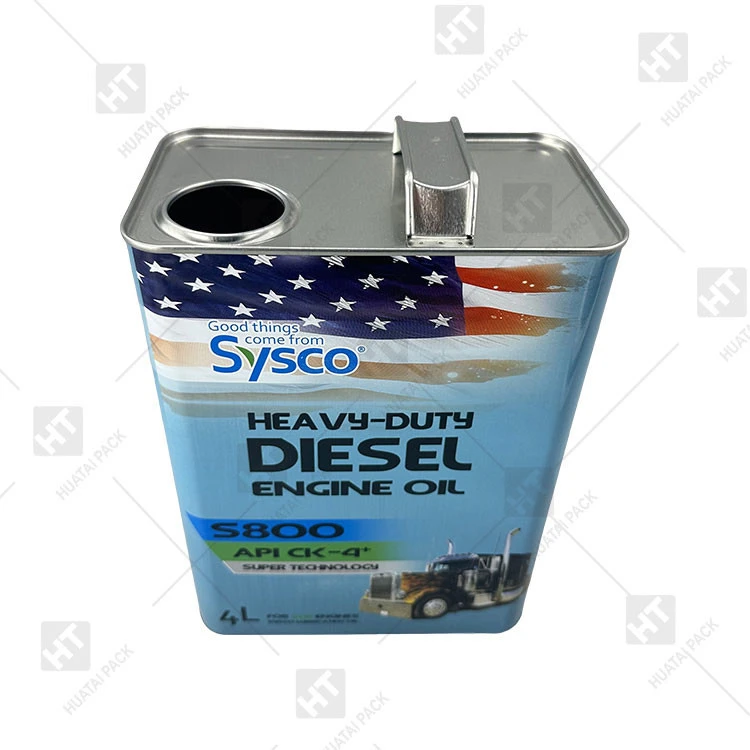
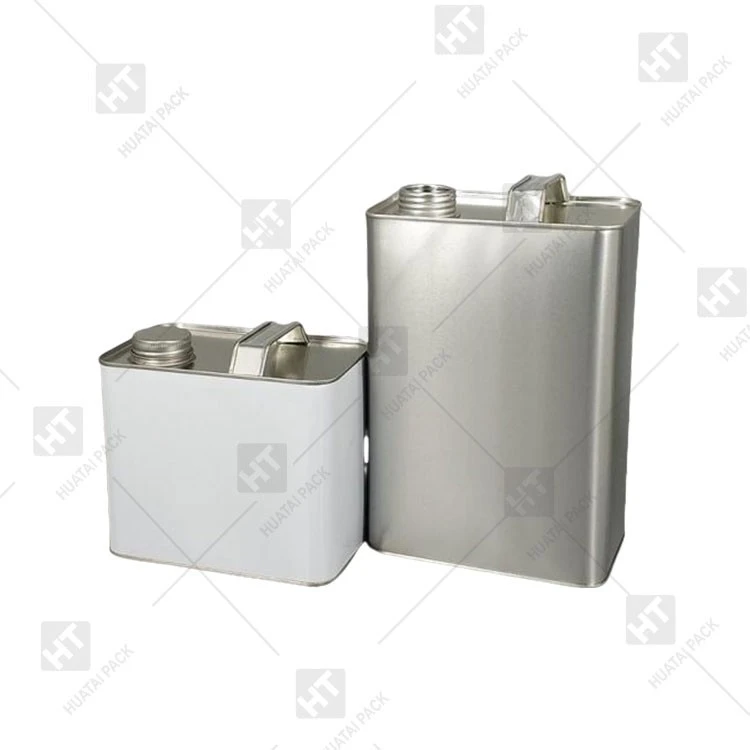
The first step in a successful long-distance transport is choosing the appropriate engine oil cans. At our company, we offer a wide range of high-quality cans designed to meet various needs. For instance, our F Style Metal Oil Tin Cans are made from durable materials that can withstand the rigors of long journeys. These cans are not only sturdy but also have excellent sealing properties to prevent any leakage.
If you need different sizes, we have options like the 1L 4L Square Tin Can and the 1L Square Tin Can. These square-shaped cans are stackable, which is a great advantage when it comes to maximizing space during transportation. The 4L Empty Engine Oil Tin Can is another popular choice, known for its reliability and capacity. And our Square Iron Can is a robust option that provides extra protection for the engine oil inside.
Prepare the Engine Oil Cans for Transport
Before transporting the engine oil cans, it's crucial to prepare them properly. First, make sure the cans are securely sealed. Even a small leak can cause a big mess during a long trip. Check the lids or caps to ensure they are tightened correctly. If possible, use additional sealing materials such as rubber gaskets or tape to provide an extra layer of protection.
Label each can clearly with information such as the type of engine oil, volume, and any handling instructions. This will not only help in identifying the cans easily but also ensure that they are handled correctly throughout the transportation process. Additionally, you should consider wrapping the cans with protective materials like bubble wrap or foam to cushion them against shocks and vibrations.
Choose the Right Transportation Method
The choice of transportation method depends on various factors such as the quantity of engine oil cans, distance, and budget. For small quantities, you can use a personal vehicle like a car or a van. However, you need to make sure the vehicle has enough space to transport the cans safely and that they are not placed in areas where they can be easily damaged.
If you are transporting a large quantity of engine oil cans, you may want to consider using a professional freight service. Freight carriers have the necessary equipment and expertise to handle bulk shipments. However, you need to ensure that the carrier complies with all relevant safety regulations for transporting hazardous materials. Engine oil is considered a hazardous material due to its flammable nature, so proper documentation and safety measures are required.
Secure the Engine Oil Cans During Transport
Once you have loaded the engine oil cans onto the transportation vehicle, it's essential to secure them properly. Use straps, ropes, or nets to prevent the cans from moving around during the journey. This will reduce the risk of the cans colliding with each other or with other objects in the vehicle, which could cause damage or leakage.
If you are using a pallet to transport the cans, make sure the pallet is in good condition and that the cans are evenly distributed on it. You can also use corner protectors to prevent the cans from being damaged at the edges. Additionally, if you are transporting the cans in a container, ensure that the container is properly ventilated to prevent the build-up of fumes.
Monitor the Transport Conditions
During the long-distance transport, it's important to monitor the conditions of the engine oil cans. If you are using a professional freight service, they may provide tracking information that allows you to keep an eye on the location and status of the shipment. You can also request regular updates from the carrier to ensure that everything is going smoothly.
If you are transporting the cans in your own vehicle, check the cans periodically to make sure there are no signs of damage or leakage. Pay attention to the temperature and humidity levels inside the vehicle, as extreme conditions can affect the integrity of the cans and the quality of the engine oil.
Comply with Safety Regulations
Transporting engine oil cans involves dealing with hazardous materials, so it's crucial to comply with all relevant safety regulations. These regulations may vary depending on the country or region you are transporting the cans to. Make sure you obtain all the necessary permits and documentation before starting the journey.
You should also provide appropriate safety training to anyone involved in the transportation process, including drivers and handlers. This training should cover topics such as how to handle spills, how to use personal protective equipment, and how to respond to emergencies.
Conclusion
Transporting engine oil cans on a long-distance trip requires careful planning, proper preparation, and strict adherence to safety regulations. By choosing the right engine oil cans, preparing them properly, selecting the right transportation method, securing them during transport, monitoring the conditions, and complying with safety regulations, you can ensure that the engine oil cans reach their destination safely and in good condition.
If you are interested in purchasing high-quality engine oil cans for your business or personal use, please feel free to contact us for more information. We are committed to providing the best products and services to meet your needs.